













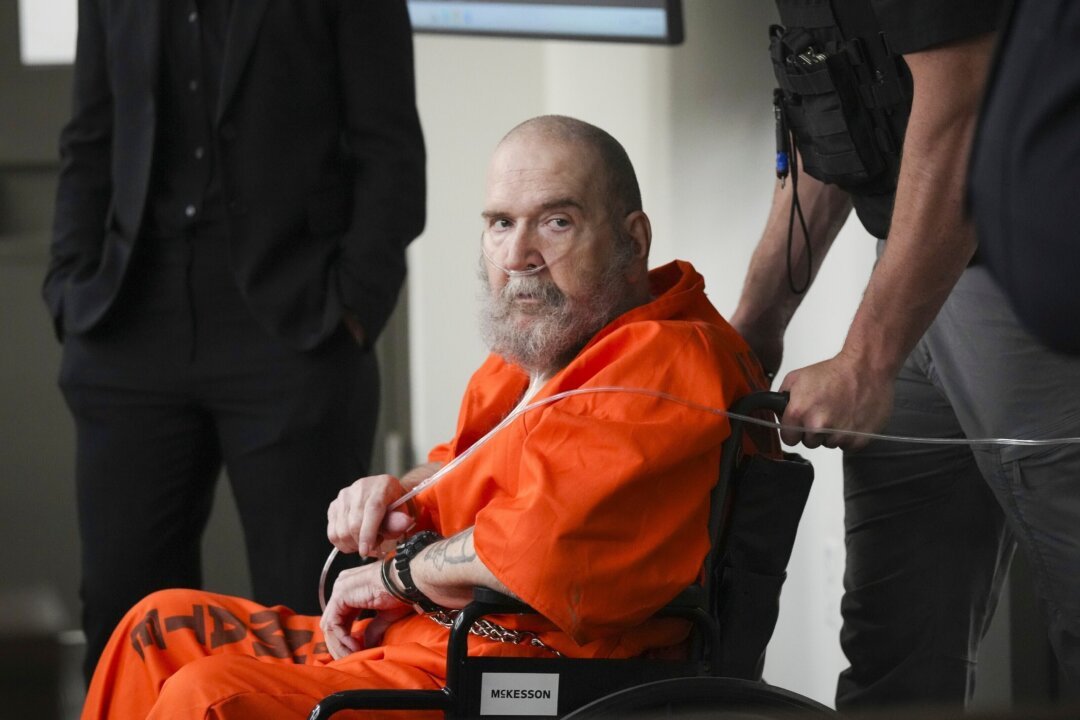
A Utah death row inmate whose deteriorating mental condition sparked a legal battle over his fitness for execution has died of natural causes, just months after the state’s highest court intervened to spare his life.

Ralph Leroy Menzies, 67, passed away Wednesday at a Utah correctional facility, according to state Department of Corrections officials. His death brings a quiet end to a case that had captured national attention as courts grappled with the complex ethical and legal questions surrounding the execution of inmates with severe cognitive decline.
Menzies had been scheduled to face a firing squad in September, marking what would have been the culmination of nearly four decades on death row. However, the Utah Supreme Court stepped in during August, blocking the execution after defense attorneys presented compelling evidence that their client’s dementia had progressed to such a severe state that carrying out the death sentence would violate constitutional protections.
The case highlighted the challenging intersection of capital punishment and mental health, as Menzies had spent 37 years awaiting execution while his cognitive abilities steadily deteriorated. Legal experts had been closely watching the proceedings, as similar cases across the nation have forced courts to examine whether executing inmates with advanced dementia constitutes cruel and unusual punishment.
Prior to his death, the legal system was preparing to reassess Menzies’ mental competency. A judge had scheduled a comprehensive hearing for mid-December that would have determined whether the inmate possessed sufficient mental faculties to understand his punishment and the reasons behind it—a constitutional requirement for carrying out death sentences.
The timing of Menzies’ natural death effectively resolves the legal questions that had surrounded his case, though it leaves broader policy debates about aging death row populations and cognitive decline unresolved. Corrections officials confirmed that his death appeared to result from natural causes, though specific medical details were not immediately released.
The case had drawn attention from criminal justice advocates, medical professionals, and legal scholars who have increasingly raised concerns about the execution of inmates suffering from severe mental impairments. Menzies’ situation exemplified the complex challenges facing a justice system where some death row inmates have aged significantly during lengthy appeals processes.
With Menzies’ death, Utah corrections officials will close the books on a case that had tested the boundaries of capital punishment law and raised fundamental questions about justice, mercy, and the treatment of mentally impaired inmates in America’s criminal justice system.