













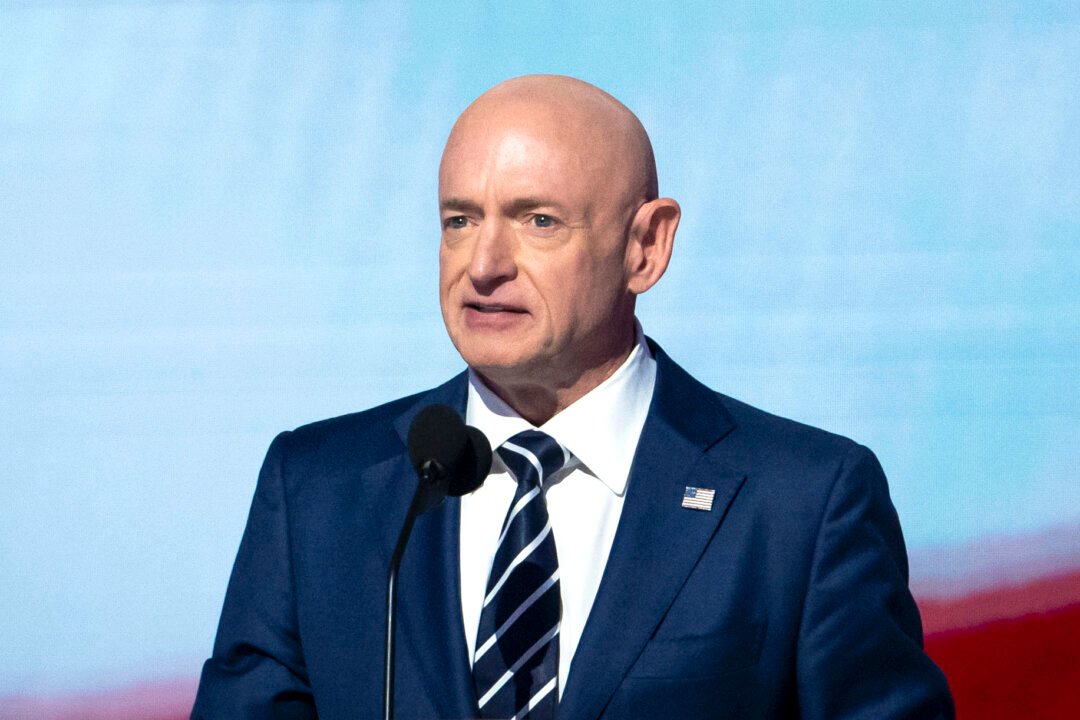
Defense Secretary Pete Hegseth has ordered the U.S. Navy to conduct an immediate review of recent controversial statements made by Senator Mark Kelly (D-Ariz.), a retired Navy captain who appeared in a video urging military personnel to disobey what he termed “illegal orders.”

The directive, issued on November 25, requires Secretary of the Navy John Phelan to complete a comprehensive briefing on Kelly’s comments and provide findings to Hegseth by December 10. The tight timeline underscores the Pentagon’s concern over the Arizona senator’s public statements regarding military command structure.
Kelly was among six Democratic lawmakers featured in a video released last week that encouraged active-duty service members to refuse orders they believed to be unlawful. The video has sparked intense debate within military and political circles about the appropriate boundaries of civilian oversight and military discipline.
The investigation represents a significant escalation in tensions between the current administration and Democratic opposition figures, particularly those with military backgrounds. Kelly, who served as a Navy captain before entering politics, brings considerable military credibility to his statements, making his comments especially noteworthy within Pentagon circles.
Military law experts note that while service members have both the right and obligation to refuse clearly illegal orders, the public encouragement of such actions by former officers can create complex legal and disciplinary challenges for military leadership. The fine line between lawful dissent and potential interference with military operations has become a focal point of this controversy.
The Navy’s review will likely examine whether Kelly’s statements as a retired officer could be construed as conduct unbecoming or whether they fall within the bounds of protected political speech. Veterans who transition to civilian political roles often navigate delicate territory when commenting on military affairs, balancing their constitutional rights with their ongoing obligations under military law.
Hegseth’s swift action signals the Defense Department’s intention to address what it views as potential interference with military chain of command. The December 10 deadline suggests urgency in resolving questions about how retired military officers in political positions should engage with active-duty personnel on matters of military discipline and lawful orders.
This development adds another layer to ongoing debates about civil-military relations and the role of military veterans in contemporary political discourse. As the Navy prepares its assessment, both military legal experts and political observers will be watching closely to see how this unprecedented situation unfolds and what precedent it might set for future interactions between retired military officers serving in political roles and active-duty forces.