













The Democratic Party stands at a pivotal moment that could determine its political fate for years to come, according to a new analysis from the centrist think tank Third Way. The organization warns that Democrats face a stark choice between “renewal or ruin” as they chart their course forward following mixed results in recent electoral contests.

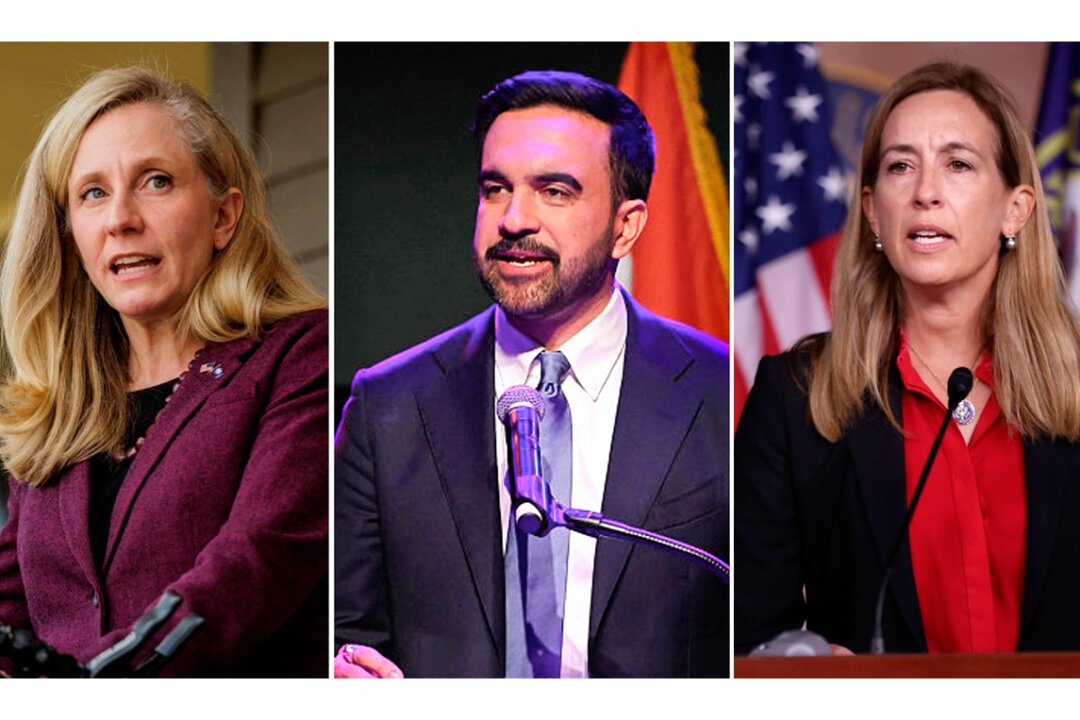
The comprehensive memo, released on November 25, examines the contrasting strategies employed by three successful Democratic candidates who each secured more than 50 percent of the vote in their respective 2025 races. The analysis focuses on New Jersey Governor-elect Mikie Sherrill, Virginia Governor-elect Abigail Spanberger, and New York City Mayor-elect Zohran Mamdani, whose campaigns represent dramatically different approaches to building winning coalitions.
What makes this analysis particularly striking is how Third Way projects these divergent political models onto the national stage. The think tank’s researchers have constructed detailed scenarios showing how each candidate’s coalition-building strategy would potentially reshape the electoral landscape for both presidential and Senate races across the United States.
The warning embedded in Third Way’s analysis centers on the stark contrast between the moderate approaches taken by Sherrill and Spanberger versus the progressive left-wing strategy championed by Mamdani in New York City. While all three candidates achieved victory, Third Way suggests that replicating Mamdani’s approach on a national scale could prove catastrophic for Democratic prospects.
The timing of this analysis is particularly significant as Democratic Party leaders grapple with questions about their political identity and messaging strategy. The success of these three candidates offers competing blueprints for how Democrats might position themselves in future electoral contests, but Third Way’s modeling suggests the stakes of this choice extend far beyond individual races.
Sherrill and Spanberger’s victories in purple states like New Jersey and Virginia demonstrate the continued viability of centrist Democratic messaging in competitive political environments. Their campaigns focused on pragmatic solutions and broad-based appeals that attracted voters across the political spectrum, including independents and moderate Republicans who have become increasingly important in determining electoral outcomes.
Meanwhile, Mamdani’s success in New York City represents a different model entirely—one built on energizing the progressive base through bold left-wing policy proposals and rhetoric that explicitly challenges moderate Democratic orthodoxy. While effective in the unique political environment of New York City, Third Way’s analysis suggests this approach could backfire when applied to national politics.
The think tank’s modeling appears to account for the complex electoral mathematics that determine success in presidential and Senate contests. Unlike mayoral or gubernatorial races that operate within relatively homogeneous political environments, national campaigns must appeal to diverse constituencies across states with vastly different political cultures and priorities.
This analysis comes at a time when Democratic strategists are actively debating the party’s future direction following a series of electoral setbacks and internal divisions over policy priorities. The success of candidates representing both moderate and progressive approaches has only intensified these debates, with different factions pointing to their preferred examples as proof of concept for broader political strategies.
Third Way’s research methodology involves sophisticated political modeling that takes into account demographic trends, voting patterns, and coalition dynamics that could influence future electoral outcomes. By examining how each candidate’s specific approach to messaging, policy positioning, and voter outreach contributed to their success, the organization aims to provide data-driven insights about scalability and national viability.
The implications of this analysis extend beyond mere electoral strategy to fundamental questions about Democratic Party identity. The choice between embracing a more centrist approach or moving decisively leftward will likely influence everything from candidate recruitment and primary dynamics to policy priorities and messaging frameworks for years to come.
As Democratic leaders digest these findings, they face the challenging task of balancing the energy and enthusiasm that progressive approaches can generate among the party base against the broader electoral considerations that determine success in competitive national races. The stakes of getting this balance right could hardly be higher, with control of the White House, Senate, and the party’s long-term viability hanging in the balance.