


























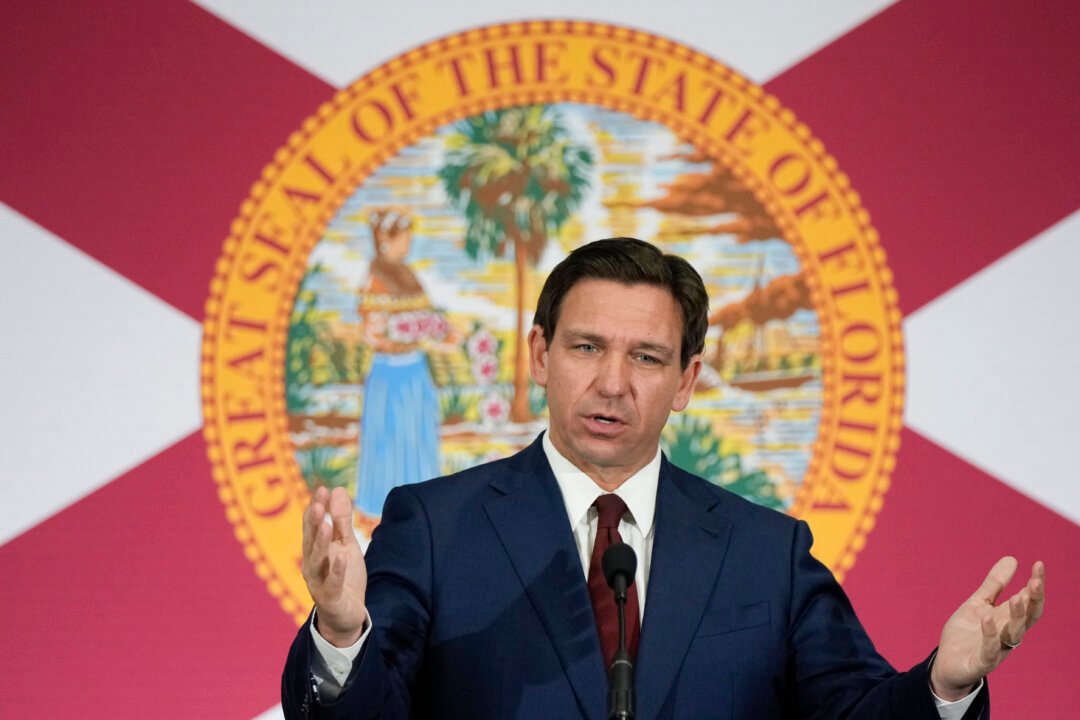
In a controversial move that has sent shockwaves through Florida’s Muslim community and civil rights organizations nationwide, Governor Ron DeSantis signed an executive order on December 8th officially designating the Council on American-Islamic Relations (CAIR) and the Muslim Brotherhood as foreign terrorist organizations within the state.

The sweeping executive directive mandates that all Florida state agencies take “all lawful measures to prevent unlawful activities by these organizations, including denying privileges or resources to anyone providing material support,” according to DeSantis’s statement posted on his official social media account.
This unprecedented state-level designation represents one of the most aggressive actions taken against Muslim organizations in recent years, with DeSantis citing alleged extremist connections as justification for the order. The decision effectively bars these groups from receiving any form of state support, resources, or official recognition within Florida’s borders.
CAIR, a prominent Muslim civil rights organization that has operated in the United States for decades, has already announced its intention to mount a legal challenge against the governor’s order. The organization has consistently maintained its commitment to protecting the civil liberties of American Muslims and has previously faced similar accusations, which it has repeatedly denied.
The Muslim Brotherhood, an international Islamist organization founded in Egypt in 1928, has been designated as a terrorist organization by several countries, including Egypt, Saudi Arabia, and the United Arab Emirates. However, the group maintains legal status in the United States at the federal level, making Florida’s unilateral designation particularly significant.
Legal experts suggest that DeSantis’s executive order could face substantial constitutional challenges, particularly regarding First Amendment protections and questions about a state’s authority to make such designations independently of federal terrorism classifications. The move also raises concerns about potential impacts on Florida’s diverse Muslim population, estimated to number in the hundreds of thousands.
This latest action aligns with DeSantis’s broader political positioning on national security and immigration issues, themes that have been central to his political brand both as Florida’s governor and during his previous presidential campaign. The timing of the announcement, coming amid heightened tensions in the Middle East, adds another layer of complexity to an already contentious decision.
The executive order is expected to face immediate legal scrutiny, with civil liberties advocates and constitutional law scholars already questioning both its legality and its potential chilling effect on religious freedom and free speech rights within the state. As legal battles loom, Florida finds itself at the center of a national debate over religious liberty, security concerns, and the limits of state power in designating terrorist organizations.