













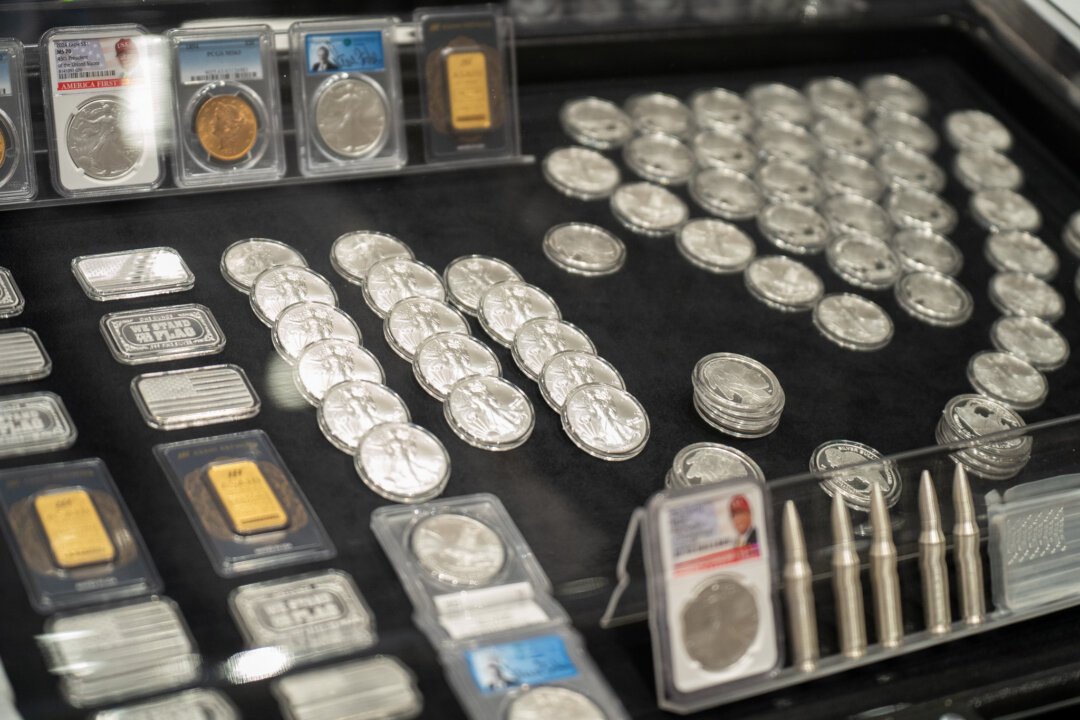
As inflation continues to squeeze household budgets and the holiday season approaches, a growing number of Americans are turning to an unexpected source of cash relief: their precious metals collections.

The trend reflects a broader economic reality facing families across the nation, where rising costs of living are forcing difficult financial decisions. A comprehensive 2025 survey conducted by gold buyers revealed that immediate financial necessity has emerged as one of the primary motivating factors behind people’s decisions to sell their gold and silver holdings.
Jakob’s story illustrates this growing phenomenon perfectly. The Phoenix-area collector spent years methodically accumulating silver coins and bullion, carefully building what he considered his financial insurance policy. Like many precious metals enthusiasts, he viewed his collection as a long-term investment, something to hold onto indefinitely unless circumstances demanded otherwise.
Those circumstances arrived in late 2025. With everyday expenses climbing relentlessly, his personal finances stretched thin, and holiday expenses looming on the horizon, Jakob made the decision that many Americans are facing: it was time to convert his silver into much-needed cash.
On November 18, Jakob walked into a precious metals dealer and sold his collection at the spot market price of $50.13 per ounce of silver. His decision came at a time when precious metals prices were experiencing rapid appreciation, making the timing somewhat fortuitous despite the underlying financial pressures that prompted the sale.
The irony isn’t lost on precious metals experts who note that while gold and silver prices are climbing – typically a positive development for investors – many holders are being forced to sell due to immediate cash needs rather than investment strategy. This creates a complex market dynamic where rising prices are driven partly by economic uncertainty, yet that same uncertainty is compelling people to liquidate their holdings.
Industry analysts suggest that Jakob’s experience reflects a broader pattern emerging across the precious metals market. Dealers nationwide report increased selling activity from individual collectors and investors who accumulated gold and silver during previous economic downturns but now find themselves needing liquidity to handle current financial challenges.
The trend highlights a fundamental tension in precious metals investing: while gold and silver are traditionally viewed as hedges against economic instability and inflation, they only provide financial relief when converted back to cash. For many Americans facing immediate budget pressures, the theoretical protection offered by precious metals becomes secondary to the practical need for spending money.
This selling pressure from individual investors comes at a time when precious metals markets are experiencing significant volatility. Silver, in particular, has seen substantial price movements throughout 2025, influenced by factors ranging from industrial demand to monetary policy decisions and broader economic uncertainty.
The survey findings underscore how economic pressures are reshaping investment behaviors across demographic groups. What was once considered a “hold forever” asset class is increasingly being viewed through the lens of emergency liquidity, particularly as traditional savings accounts fail to keep pace with rising living costs.
For dealers and buyers in the precious metals market, this trend represents both opportunity and insight into consumer financial stress. The increase in individuals looking to sell their collections provides inventory for dealers while simultaneously serving as an economic indicator of household financial pressures.
As 2025 draws to a close, Jakob’s decision to sell his carefully accumulated silver collection reflects a choice being made by Americans nationwide: weighing the long-term investment potential of precious metals against the immediate reality of bills, expenses, and financial obligations that require cash in hand rather than metal in storage.