













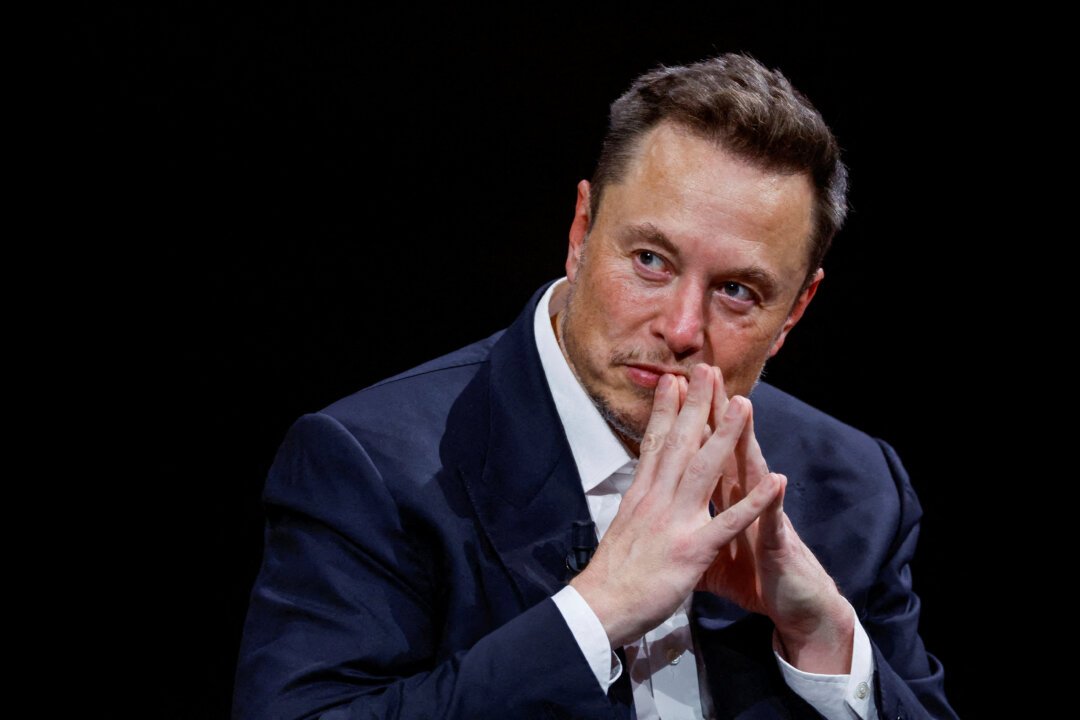
Tech billionaire Elon Musk has acknowledged that the H-1B visa system faces exploitation by certain companies, but stopped short of condemning the entire program, instead advocating for targeted reforms to address specific abuses.

In a recent interview with Indian billionaire Nikhil Kamath, the Tesla and SpaceX CEO revealed his nuanced stance on the controversial visa program that has become a lightning rod in immigration debates. Musk argued that rather than dismantling the system entirely, authorities should focus on cracking down on companies that manipulate the process.
The H-1B program, designed to enable U.S. companies to recruit skilled foreign professionals, has drawn criticism for potential exploitation by outsourcing firms. These specialized visas are particularly significant for Indian professionals, who account for approximately 70 percent of all H-1B recipients, primarily working in technology and healthcare sectors. Chinese nationals represent the second-largest group benefiting from this immigration pathway.
Musk’s comments come at a time when the H-1B system faces intense scrutiny from various political quarters. Critics argue that some companies abuse the program by using it to replace American workers with lower-cost foreign alternatives, while supporters maintain it’s essential for filling critical skill gaps in high-tech industries.
During the wide-ranging interview, Musk ventured beyond immigration policy to share his predictions about the future of work and economics. The entrepreneur boldly forecasted the eventual obsolescence of traditional currency and suggested that artificial intelligence would eventually make conventional employment “optional” for many people.
These technological predictions align with Musk’s broader vision of a rapidly evolving economic landscape, where automation and AI fundamentally reshape how society functions. His comments reflect ongoing debates about how emerging technologies might transform labor markets and economic systems in the coming decades.
The timing of Musk’s remarks is particularly noteworthy given his prominent role in the tech industry and his influence on public discourse about technology policy. As someone who leads companies that both benefit from skilled international talent and develop cutting-edge AI systems, his perspective carries significant weight in discussions about immigration and technological advancement.
Industry observers note that Musk’s balanced approach to the H-1B debate reflects the complex reality facing major tech companies. While these firms rely heavily on international talent to fill specialized roles, they also face political pressure to prioritize American workers and address legitimate concerns about program abuse.
The H-1B visa program remains a critical component of U.S. immigration policy, with annual caps limiting the number of available visas and creating intense competition among applicants. Reform proposals have circulated for years, but comprehensive changes have proven elusive amid competing interests and political considerations.