



























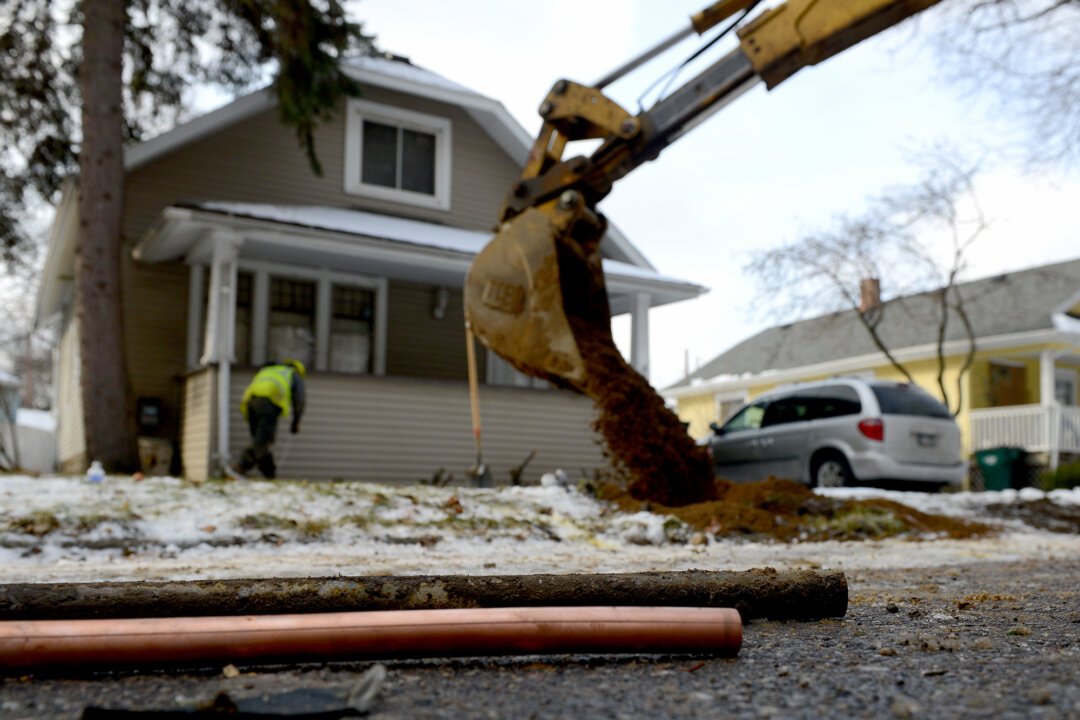
The Environmental Protection Agency announced a massive $3 billion initiative on November 25 to help states eliminate dangerous lead contamination from public drinking water systems, marking one of the largest federal investments in water infrastructure safety in recent years.

The substantial funding package specifically targets the removal of lead service lines—the underground pipes that carry water directly to homes, schools, and businesses across the nation. These aging pipelines represent the primary source of lead exposure in American drinking water systems, posing serious health risks to millions of residents.
“This funding will accelerate progress in finding and removing lead pipes (also known as lead service lines that deliver water to homes, schools, and businesses),” the EPA stated in its official announcement. “Lead pipes are the key source of lead—a potent neurotoxin particularly harmful to children—in drinking water.”
The health implications of lead exposure are particularly severe for young people, with scientific research consistently showing that even minimal contact with the toxic metal can significantly impair cognitive development. Children exposed to lead contamination face elevated risks of reduced IQ scores and compromised academic performance, effects that can persist throughout their educational journey and beyond.
This federal investment comes as communities nationwide grapple with aging water infrastructure, much of it installed decades ago when lead pipes were standard practice. The crisis gained national attention following high-profile contamination incidents in cities like Flint, Michigan, where residents were exposed to dangerous lead levels for extended periods.
The EPA’s comprehensive approach aims to not only remove existing lead service lines but also improve detection capabilities, ensuring that contaminated pipes are identified and replaced before they pose risks to public health. States will receive varying amounts based on their specific infrastructure needs and the scope of lead pipe replacement required in their jurisdictions.
Water utility companies and municipal governments are expected to work closely with state agencies to prioritize replacement projects in communities with the highest risk of lead exposure, particularly focusing on schools, daycare centers, and residential areas with older housing stock where lead pipes are most prevalent.
The announcement represents a significant escalation in federal efforts to address America’s water quality challenges, building on previous initiatives while providing states with unprecedented resources to tackle one of the most persistent public health threats in municipal water systems.