













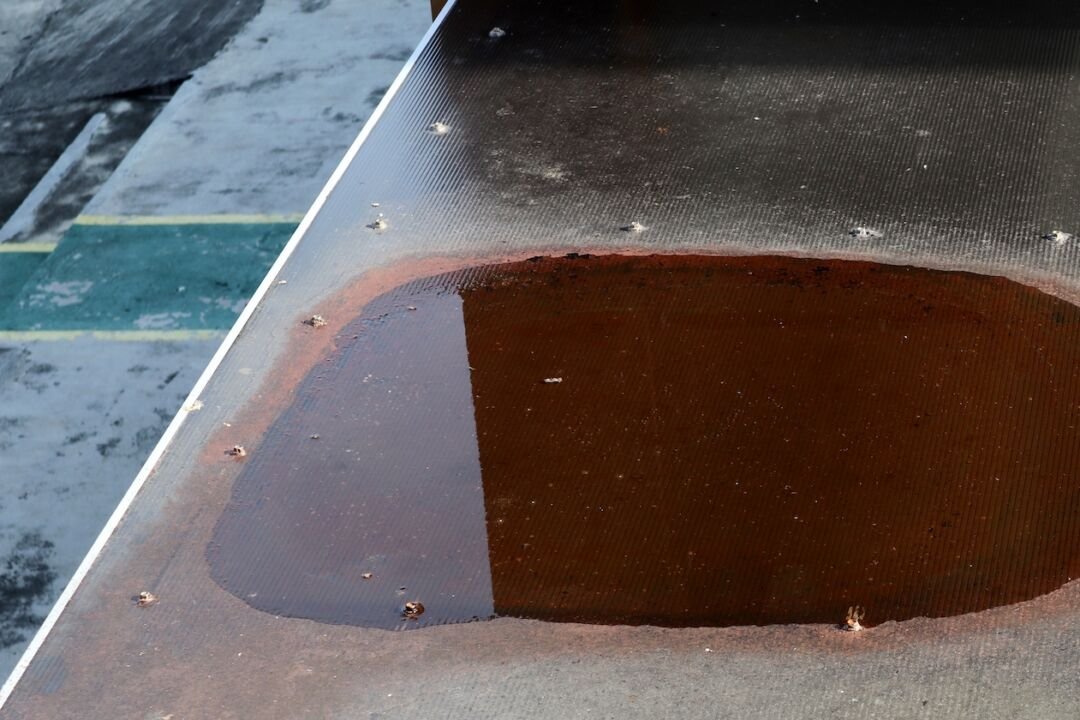
A small leak in your flat roof might seem like a minor inconvenience, but ignoring it could lead to costly structural damage and mold problems down the road. Whether you’re dealing with an asphalt roll garage roof or any other flat roofing system, understanding how to identify and fix leaks promptly can save you thousands of dollars in repairs.

Flat roofs present unique challenges compared to their pitched counterparts. While many flat roofs operate leak-free for years, they require more vigilant maintenance due to their design. Unlike sloped roofs that naturally shed water, flat surfaces allow rainwater to pool, creating opportunities for moisture infiltration.
The Critical Inspection Schedule
Roofing experts recommend inspecting flat roofs at least twice annually, though four seasonal inspections provide optimal protection. This regular monitoring allows property owners to catch small issues before they escalate into major problems. The investment in time pays dividends by extending roof life and preventing water damage to interior spaces.
Prime Leak Locations to Examine
When conducting your inspection, focus on the most vulnerable areas where leaks commonly develop. Flashing represents the top concern – these metal strips seal joints and transitions but can separate over time due to thermal expansion and contraction. Pay particular attention to areas where roofing material has pulled away from chimneys, as the constant heating and cooling cycles can break these crucial seals.
Ventilation penetrations also demand careful scrutiny. Roof vents, exhaust fans, and other protrusions create potential entry points for water. The sealant around these fixtures can deteriorate from UV exposure and weather extremes, creating gaps that allow moisture infiltration.
Effective Leak Detection Methods
Start your leak investigation from inside the building if possible. Water stains on ceilings or walls provide clues about general leak locations, though remember that water can travel horizontally before dropping down, so the interior damage might not align directly with the roof breach.
On the roof surface, look for obvious signs like cracked or missing sections of roofing material, raised seams, or areas where the surface appears soft or spongy underfoot. Pooled water that remains more than 48 hours after rainfall indicates drainage problems that can lead to leaks.
Professional Repair Approaches
For small punctures or cracks in asphalt roll roofing, specialized roof patching compounds offer effective solutions. Clean the damaged area thoroughly, removing any loose debris or deteriorated material. Apply the patch according to manufacturer specifications, ensuring proper adhesion and complete coverage extending beyond the damaged zone.
Flashing repairs typically require removing old sealant, repositioning the metal pieces if necessary, and applying new roofing cement or specialized flashing sealant. Quality materials designed for your specific roofing type ensure lasting repairs that withstand weather extremes.
When to Call Professionals
While minor repairs fall within most homeowners’ capabilities, extensive damage or multiple leak sources warrant professional evaluation. Roofing contractors possess specialized tools and expertise to identify hidden problems and recommend comprehensive solutions that address underlying causes rather than just symptoms.
Remember that working on roofs involves inherent safety risks. If you’re uncomfortable with heights or lack proper safety equipment, investing in professional service protects both your wellbeing and your property investment.
Regular maintenance and prompt attention to small issues keep flat roofs functioning effectively for decades. By developing inspection habits and addressing problems early, property owners can maximize their roofing investment while avoiding the stress and expense of emergency repairs.