



























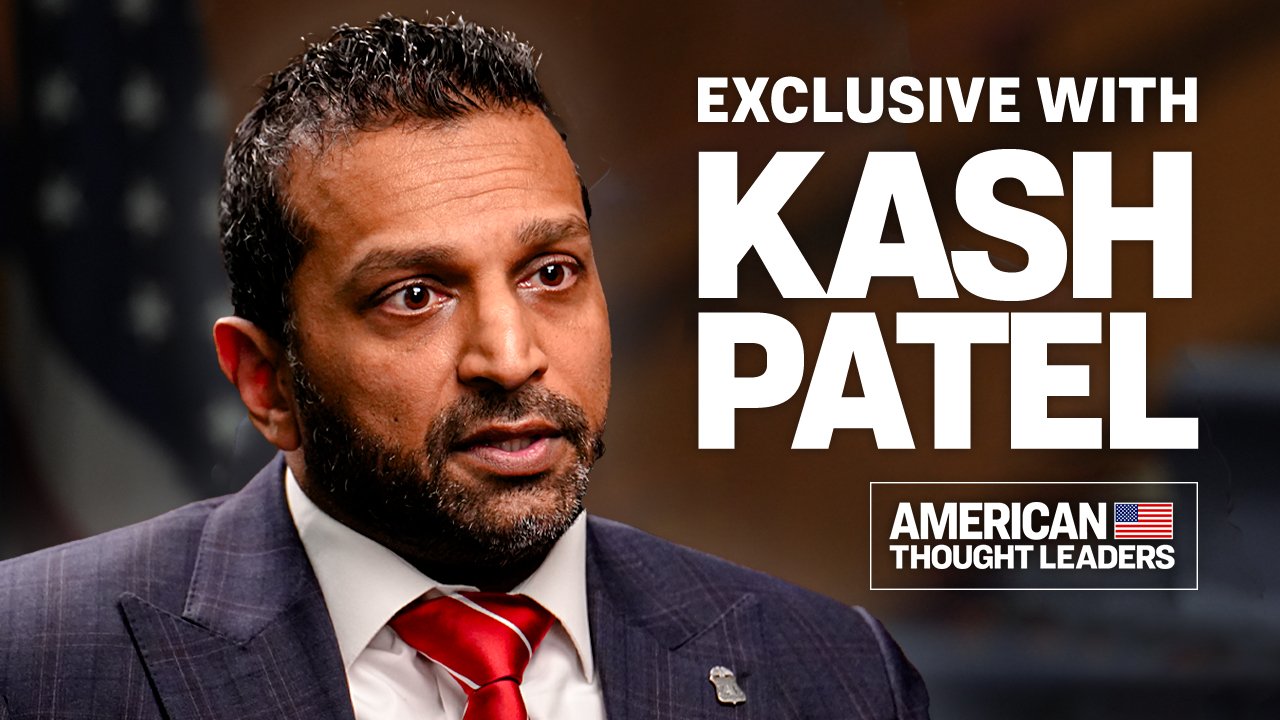
FBI Director Kash Patel is set to deliver his most candid assessment yet of America’s mounting security challenges in an exclusive interview that promises to shed light on the agency’s intensified efforts against both foreign espionage and domestic criminal networks.

The wide-ranging discussion, scheduled to premiere November 29, 2024, at 5 p.m. ET on American Thought Leaders, comes at a critical juncture as the FBI grapples with unprecedented threats from multiple fronts. Patel’s appearance marks a rare public engagement for the director, who has largely remained out of the spotlight while orchestrating significant operational shifts within the bureau.
Central to the conversation will be Patel’s recent diplomatic mission to China, where discussions around the fentanyl crisis took center stage. The synthetic opioid, primarily manufactured in China and smuggled through Mexico, has become America’s deadliest drug threat, claiming over 70,000 lives annually according to federal data. Sources familiar with the China visit suggest Patel pressed Chinese officials on enhanced cooperation to stem the flow of fentanyl precursors reaching American streets.
The interview will also explore the FBI’s investigation into what Patel describes as the “764 network” – a term that has generated significant speculation within law enforcement circles. While details remain classified, intelligence sources indicate this network represents a sophisticated criminal organization with both domestic and international tentacles, potentially involving cybercrime, human trafficking, or terrorist financing.
Equally intriguing is Patel’s reference to “burn bags” – traditionally used by intelligence agencies to destroy sensitive documents. The context of this discussion remains unclear, though it may relate to recent document handling procedures or historical intelligence operations that have come under scrutiny.
The FBI chief’s public appearance comes amid mounting criticism from various quarters regarding the bureau’s priorities and methods. Congressional Republicans have questioned the agency’s resource allocation, while civil liberties advocates have raised concerns about surveillance programs. Patel’s defenders argue he inherited an organization facing unprecedented challenges requiring bold leadership decisions.
Since assuming the directorship, Patel has implemented what insiders describe as a more aggressive posture toward foreign espionage, particularly from China and Russia. This shift has resulted in a notable increase in counterintelligence arrests and the disruption of several alleged spy networks operating on American soil.
The timing of this interview is particularly significant given recent tensions between Washington and Beijing over trade, technology transfers, and military activities in the South China Sea. Patel’s firsthand account of his China discussions could provide crucial insights into whether any meaningful progress was achieved on the fentanyl front.
Law enforcement experts will be watching closely for any revelations about the mysterious 764 network, which some analysts believe could represent a new category of transnational criminal organization that blends traditional organized crime with modern cyber capabilities and extremist ideologies.
The interview promises to offer Americans a rare glimpse into the mind of the nation’s top federal law enforcement official as he navigates an increasingly complex threat landscape that spans from street-level drug dealing to sophisticated state-sponsored espionage campaigns.