













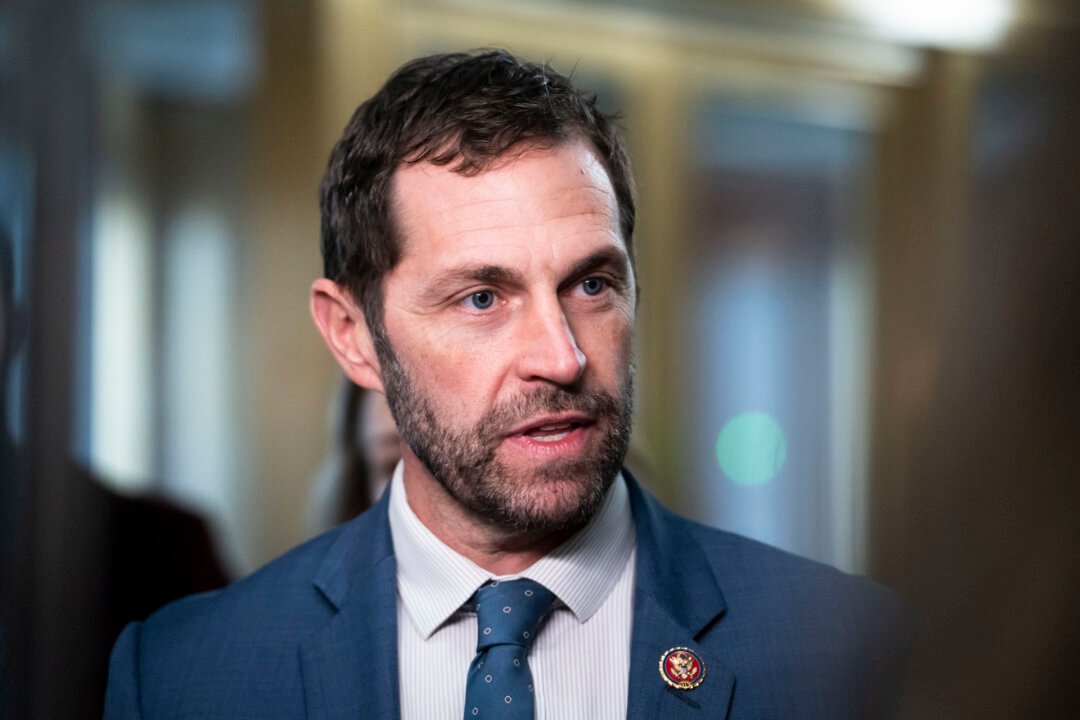
Federal investigators are now seeking to question four Democratic members of Congress who appeared in a controversial video advising military personnel about disobeying what they characterized as “illegal orders,” the lawmakers revealed Monday.

The FBI has formally contacted the sergeants at arms for both chambers of Congress, requesting interviews with Representatives Jason Crow of Colorado, Chris Deluzio of Pennsylvania, Maggie Goodlander of New Hampshire, and Chrissy Houlahan of Pennsylvania, according to a joint statement released by the lawmakers on November 25.
The federal inquiry centers around a video message in which the four Democrats addressed service members about their obligations regarding orders they might consider unlawful. The exact content and context of the video that prompted the FBI’s interest remains unclear, though the lawmakers maintain their comments focused on established military principles regarding illegal commands.
This development represents an unusual intersection of congressional speech and federal law enforcement scrutiny, raising questions about the boundaries between lawmakers’ public statements and potential interference with military operations. The involvement of the FBI suggests the matter has escalated beyond typical political discourse.
Representative Crow, a former Army Ranger who serves on the House Intelligence Committee, has been particularly vocal about military affairs and veterans’ issues throughout his congressional tenure. His colleagues in the video similarly bring military or national security backgrounds to their legislative work.
The timing of the FBI’s outreach is notable, coming as tensions over military leadership and civilian oversight continue to feature prominently in national political discussions. Federal investigators’ interest in the lawmakers’ statements suggests potential concerns about the impact such messages might have on military discipline or chain of command protocols.
The sergeants at arms, who serve as the chief law enforcement officers for their respective chambers, now find themselves in the position of facilitating communication between federal investigators and sitting members of Congress. This procedural step underscores the formal nature of the FBI’s inquiry.
None of the four lawmakers have indicated whether they intend to comply with the FBI’s interview requests, and their joint statement did not elaborate on the specific nature of the federal agents’ concerns. The investigation’s scope and potential consequences remain uncertain as the matter develops.
The situation highlights the delicate balance between lawmakers’ constitutional speech protections and law enforcement’s authority to investigate potential criminal activity, even when it involves elected officials. How this unprecedented scenario unfolds could set important precedents for future interactions between Congress and federal investigators.