












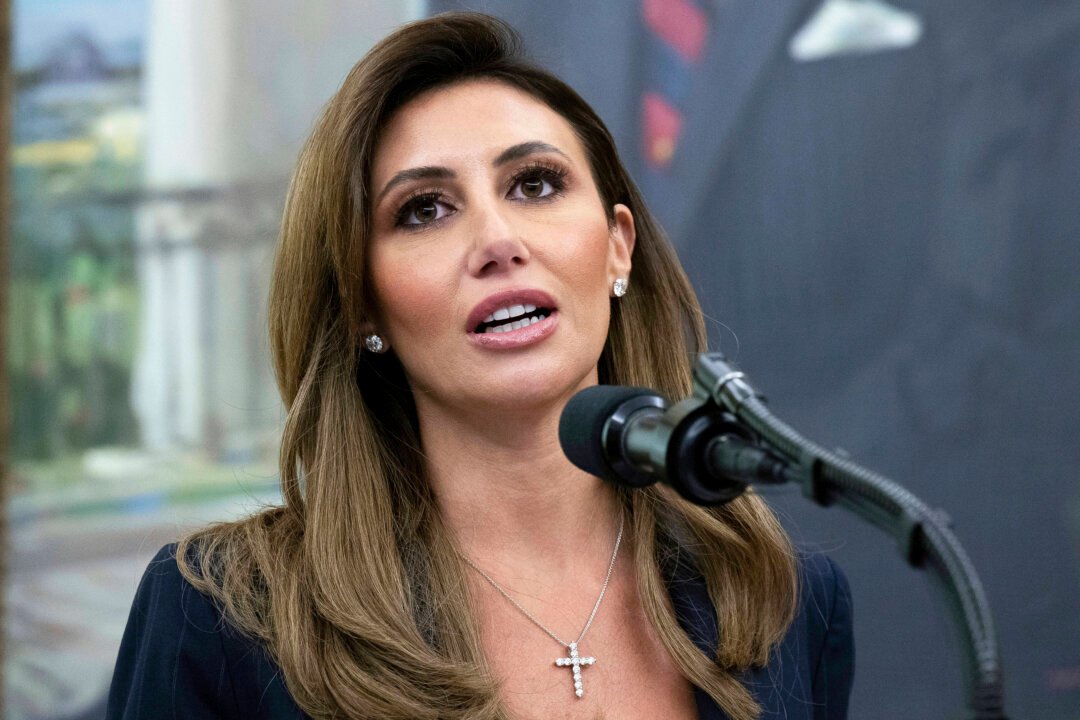
In a significant legal blow to the Trump administration, a federal appeals court has ruled that Alina Habba must be disqualified from her role as U.S. attorney for New Jersey, following challenges to her appointment’s legality.

The ruling, issued on December 1, came from a three-judge panel of the U.S. Court of Appeals for the Third Circuit, marking a pivotal moment in what has become a contentious legal battle over high-level federal appointments.
Habba, who was sworn in as interim U.S. attorney general for New Jersey in the Oval Office on March 28, 2025, faced immediate legal challenges from defendants who argued that her appointment violated federal statutes. The challengers successfully argued that the Trump administration had failed to follow proper legal procedures when installing Habba in the prestigious prosecutorial position.
The appeals court’s decision represents a rare judicial intervention in federal appointment processes, highlighting the ongoing tensions between executive appointment powers and constitutional requirements. Legal experts note that such disqualifications of sitting U.S. attorneys are uncommon and typically stem from serious procedural violations or conflicts of interest.
Habba’s tenure as U.S. attorney was marked by controversy from the outset, with legal observers questioning the circumstances surrounding her appointment. The defendants who brought the successful challenge maintained that the appointment process bypassed critical legal safeguards designed to ensure the integrity of federal prosecutorial offices.
The Third Circuit’s ruling sends ripples through the federal legal system, potentially setting precedent for future challenges to executive appointments. The decision underscores the judiciary’s willingness to scrutinize administrative actions when they appear to circumvent established legal protocols.
This development adds to a series of legal setbacks facing Trump administration appointees, as courts continue to examine the legality of various personnel decisions made during the transition and early months of the administration.
The disqualification leaves the New Jersey U.S. attorney’s office in a state of uncertainty, as the Trump administration must now navigate the complex process of finding a replacement while addressing the legal issues that led to Habba’s removal.
Legal analysts suggest this ruling could embolden other challenges to federal appointments, particularly those where proper procedures may not have been followed. The decision reinforces the principle that even high-level executive appointments must comply with statutory requirements and constitutional provisions.