



























A comprehensive federal audit has uncovered what officials are calling “significant misuse” of taxpayer dollars in the Biden administration’s rental assistance programs, with nearly $5.8 billion in potentially improper payments identified throughout 2024.

The Department of Housing and Urban Development released the damning findings on December 30, revealing widespread payment errors across its rental assistance initiatives. Perhaps most shocking among the discoveries: approximately $77 million in taxpayer funds were distributed to nearly 30,000 deceased tenants.
This marks the first time HUD’s Office of the Chief Financial Officer has employed advanced data analytics to scrutinize all Project-Based Rental Assistance and Tenant-Based Rental Assistance payments made by the agency. The comprehensive review examined the entire scope of 2024 payments, revealing systematic issues in the program’s oversight mechanisms.
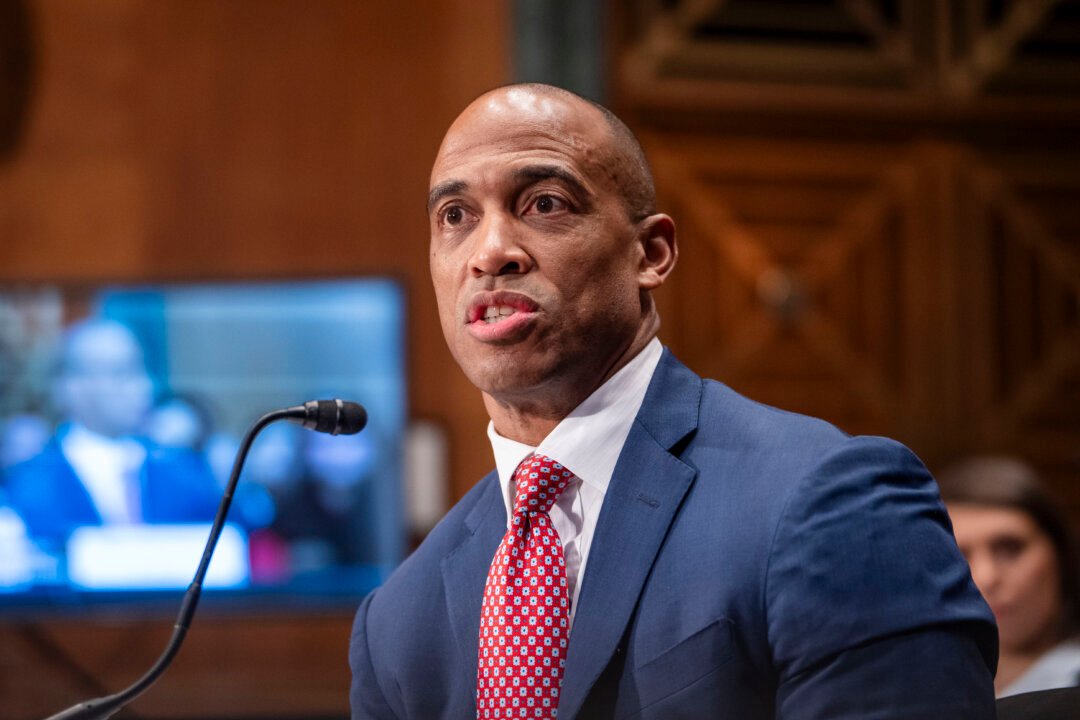
The audit results come at a particularly sensitive time for the housing department, as President-elect Donald Trump’s nominee for HUD Secretary, Scott Turner, recently testified before the Senate Committee on Banking, Housing, and Urban Affairs. Turner’s confirmation hearing on January 16, 2025, occurred just weeks after these troubling financial discrepancies came to light.
The $5.8 billion in questionable payments represents a significant portion of HUD’s rental assistance budget and raises serious questions about the department’s internal controls and verification processes. The discovery of payments continuing to flow to deceased individuals suggests fundamental breakdowns in the system’s ability to track beneficiary eligibility and status updates.
Housing assistance programs have been a cornerstone of the Biden administration’s efforts to address America’s affordable housing crisis. These programs provide crucial support to millions of low-income families across the nation, making the integrity of payment systems essential for maintaining public trust and program effectiveness.
The timing of this audit revelation adds another layer of complexity to the incoming administration’s housing agenda. Turner, if confirmed, will inherit a department grappling with not only the ongoing affordable housing shortage but also the need to implement stronger financial safeguards to prevent future improper payments.
Federal rental assistance programs have faced increased scrutiny in recent years, particularly following the massive expansion of housing aid during the COVID-19 pandemic. The emergency rental assistance programs launched during the health crisis processed billions of dollars in payments under accelerated timelines, potentially creating vulnerabilities that bad actors could exploit.
The use of advanced data analytics in this audit represents a technological leap forward in HUD’s oversight capabilities. This new approach allowed auditors to identify patterns and anomalies that traditional review methods might have missed, suggesting that similar issues could exist in previous years’ payments that weren’t subject to such rigorous analysis.
As the incoming administration prepares to take control of federal housing programs, these findings will likely influence policy discussions about program administration, oversight mechanisms, and the balance between rapid assistance delivery and fraud prevention. The challenge will be implementing stronger controls without creating barriers for legitimate beneficiaries who depend on these critical housing supports.