













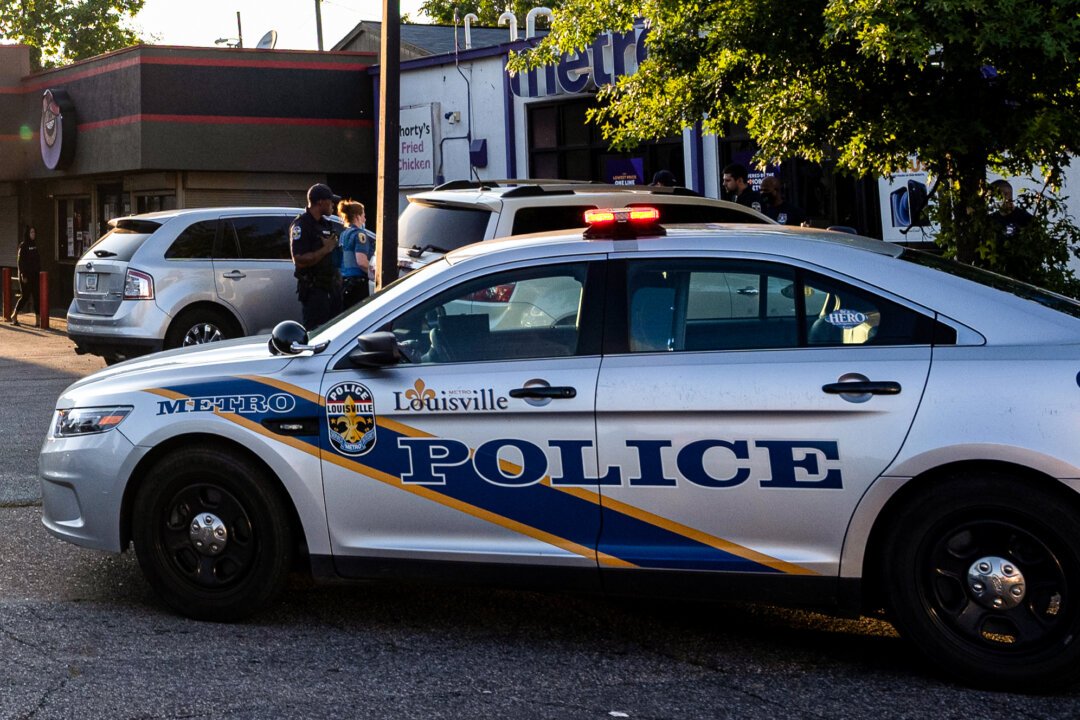
A federal judge dealt a significant blow to police reform efforts Wednesday, dismissing a lawsuit that would have mandated participation by the Louisville Metro Police Department in a comprehensive reform program proposed by the U.S. Department of Justice. The decision comes after the DOJ withdrew its backing for the reforms earlier this year, effectively abandoning what many viewed as a critical step toward accountability in the Kentucky city.

The ruling represents the latest setback for federal oversight of local police departments, following a similar pattern established in Minneapolis. In May 2025, another federal judge dismissed comparable plans that would have brought federal supervision to the Minneapolis Police Department through a proposed consent decree.
The Louisville case emerged from years of scrutiny surrounding the Metro Police Department’s practices, particularly following high-profile incidents that sparked national conversations about police accountability and reform. The Justice Department’s proposed reforms were designed to address systemic issues within the department through court-supervised changes to policies, training, and oversight mechanisms.
However, the federal government’s decision to withdraw support for the reform package earlier in 2025 left the lawsuit without crucial backing from the agency that originally championed the changes. This withdrawal effectively undermined the legal foundation for forcing the Louisville Metro Police Department to comply with the proposed reforms.
The dismissal in Louisville mirrors broader challenges facing federal police reform initiatives across the country. The Minneapolis case, which was thrown out just months earlier, highlighted similar obstacles in implementing federal oversight of local law enforcement agencies when federal support wavers.
Police reform advocates have expressed disappointment with both decisions, arguing that federal oversight remains essential for ensuring meaningful changes in departments with histories of problematic practices. Critics of federal intervention, meanwhile, have praised the rulings as victories for local control over law enforcement operations.
The Louisville Metro Police Department has not yet issued a public statement regarding the judge’s decision. The ruling effectively maintains the status quo for the department, which will continue operating under existing policies and oversight structures rather than the more stringent federal monitoring that would have been required under the proposed consent decree.
These developments signal a significant shift in the landscape of police reform efforts, particularly regarding the role of federal oversight in local law enforcement. The pattern established by the Louisville and Minneapolis cases may influence how similar reform initiatives are pursued in other cities facing calls for police accountability measures.