













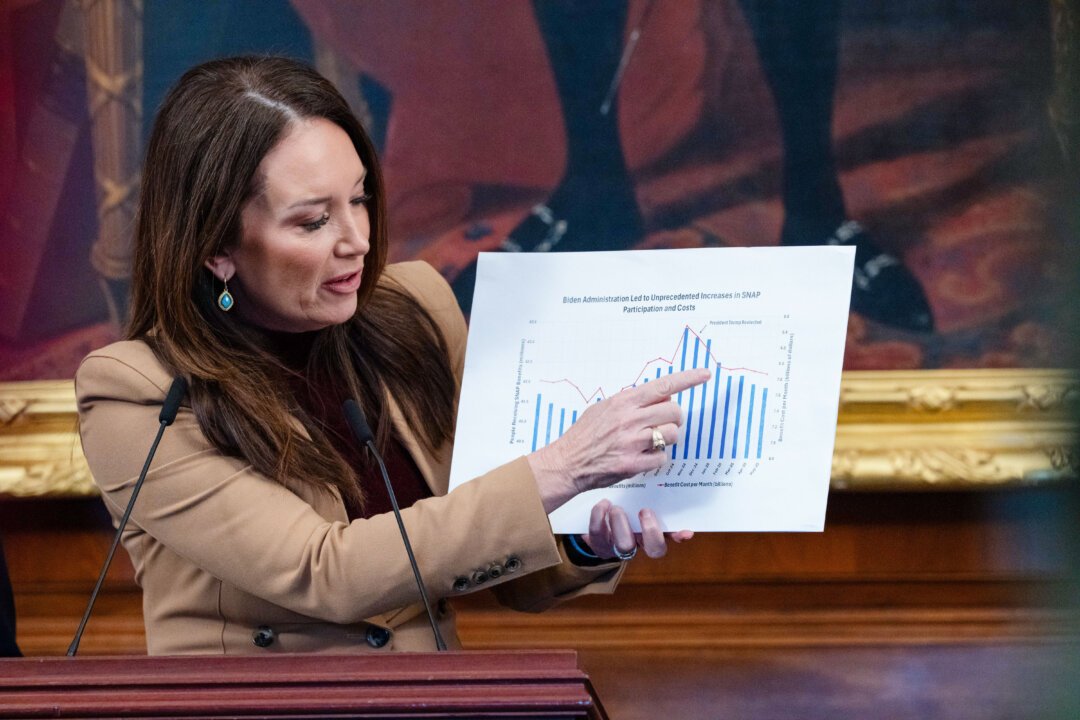
A brewing confrontation between federal authorities and state governments has put millions of Americans’ food assistance benefits at risk, as the U.S. Department of Agriculture threatens to withhold SNAP funding from 21 states that have refused to provide crucial fraud investigation data.

Agriculture Secretary Brooke Rollins announced this week that the federal government will cut off Supplemental Nutrition Assistance Program (SNAP) funds to states that continue to withhold user data requested as part of an ongoing investigation into program fraud. The ultimatum follows months of federal requests for information that have gone largely unanswered by nearly half of all states.
The standoff represents a significant escalation in the federal government’s efforts to combat fraud within the nation’s largest food assistance program, which serves approximately 42 million Americans and costs taxpayers roughly $80 billion annually. The dispute has created an unprecedented situation where political disagreements could directly impact families’ ability to put food on their tables.
The Core of the Conflict
At the heart of this dispute lies the federal government’s demand for detailed data about how SNAP benefits are being used across state systems. Federal investigators are seeking information that would help them identify patterns of abuse, track suspicious transactions, and root out fraudulent activity that has plagued the program for years.
The 21 states that have not complied with federal data requests represent a diverse cross-section of the country, spanning different political affiliations and geographic regions. Their resistance stems from various concerns, including privacy protections for beneficiaries, state sovereignty issues, and technical challenges in compiling and sharing the requested information.
Secretary Rollins’ announcement marks a significant shift in the federal approach to addressing state non-compliance. Previously, the USDA had relied on repeated requests and negotiations to obtain the necessary data. The threat of funding cuts represents the department’s most aggressive stance yet in pursuing this information.
Potential Impact on Beneficiaries
The threat of funding cuts has raised serious concerns about the potential impact on SNAP beneficiaries, many of whom are among the nation’s most vulnerable populations. The program serves low-income families, elderly individuals, and disabled Americans who rely on these benefits for basic nutrition needs.
If the federal government follows through on its threat, the affected states would face the challenge of either finding alternative funding sources to continue providing benefits or reducing the scope of their SNAP programs. Neither option would be easy to implement, and both could result in significant hardship for current beneficiaries.
State officials in the affected jurisdictions are now facing intense pressure to balance their concerns about data sharing with the practical reality of maintaining essential food assistance programs. Some states have indicated they are working to address federal concerns, while others continue to resist the data requests.
The Fraud Investigation Context
The federal push for state data comes amid growing concerns about fraud within the SNAP program. Government auditors and investigators have identified numerous instances of benefit trafficking, where recipients sell their benefits for cash at reduced rates, as well as retailer fraud involving stores that illegally exchange benefits for ineligible items.
These fraudulent activities not only waste taxpayer dollars but also undermine the program’s effectiveness in providing nutrition assistance to those who need it most. The federal investigation aims to quantify the scope of these problems and develop more effective prevention and enforcement strategies.
Federal officials argue that comprehensive data from all states is essential for understanding fraud patterns and implementing system-wide improvements. Without cooperation from all jurisdictions, investigators say their ability to combat fraud effectively is significantly limited.
Looking Ahead
As the dispute continues to unfold, both state and federal officials face mounting pressure to find a resolution that protects beneficiaries while addressing legitimate fraud concerns. The threat of funding cuts has intensified negotiations, but it remains unclear whether all 21 states will ultimately comply with federal demands.
The outcome of this confrontation could have lasting implications for the relationship between federal and state governments in administering social safety net programs. It may also influence how future fraud investigations are conducted and what level of cooperation states can expect to provide in such efforts.
For the millions of Americans who depend on SNAP benefits, the resolution of this dispute cannot come soon enough. As political and administrative tensions play out at higher levels of government, families across the affected states continue to rely on these essential benefits for their daily nutrition needs.
The coming weeks will likely prove critical in determining whether a compromise can be reached that satisfies federal investigation requirements while maintaining the flow of benefits to those who need them most. The stakes could not be higher for both government officials and the vulnerable populations they serve.