


























In a significant legal reversal that could set precedent for other pardoned January 6th defendants, a federal judge has ordered the government to provide full refunds of restitution payments and fines to a couple prosecuted for their involvement in the January 6, 2021 Capitol breach.

U.S. District Judge James Boasberg delivered the December 3rd ruling, marking a complete about-face from his earlier decision just months ago when he rejected the same request for financial reimbursement. The dramatic shift in the court’s position highlights the complex legal implications surrounding President Donald Trump’s sweeping pardons of January 6th defendants.
“Having viewed the question afresh, the court now agrees with the defendants,” Judge Boasberg stated in his ruling, acknowledging the change in his judicial stance on the matter.
The decision carries significant weight beyond this individual case, as it establishes a potential pathway for other pardoned January 6th defendants to recover money they paid in fines and restitution during their criminal proceedings. Legal experts suggest this ruling could trigger a wave of similar requests from defendants who received presidential pardons.
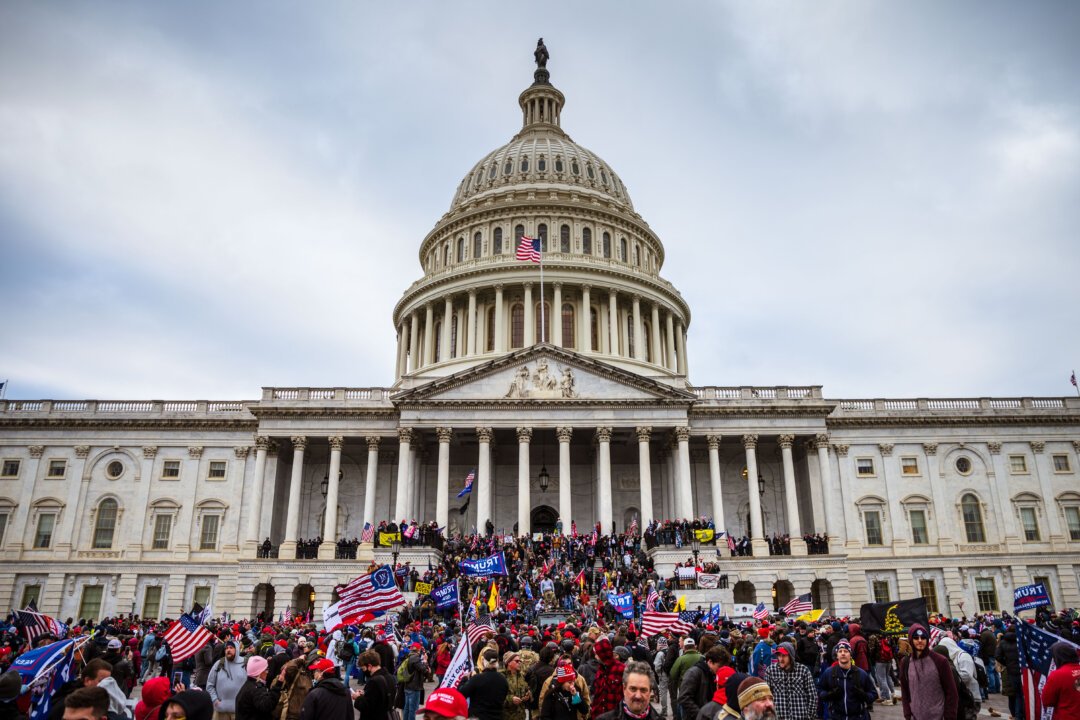
The unnamed couple at the center of this case had previously paid court-ordered financial penalties as part of their prosecution related to the events at the U.S. Capitol on January 6, 2021, when hundreds of protesters breached the building during the certification of the 2020 presidential election results.
Judge Boasberg’s initial reluctance to approve refunds reflected the unprecedented nature of the legal questions surrounding presidential pardons and their financial implications. The reversal suggests the court has found compelling legal grounds to support the defendants’ claims for reimbursement following their pardons.
This ruling comes as the justice system continues to grapple with the aftermath of Trump’s pardons, which covered a broad range of January 6th defendants. The decision to approve full refunds raises questions about the government’s financial obligations when presidential pardons effectively nullify criminal convictions and their associated penalties.
The case underscores the ongoing legal complexities stemming from the January 6th prosecutions and subsequent pardons, as courts work to interpret the full scope and implications of presidential clemency powers in unprecedented circumstances.