













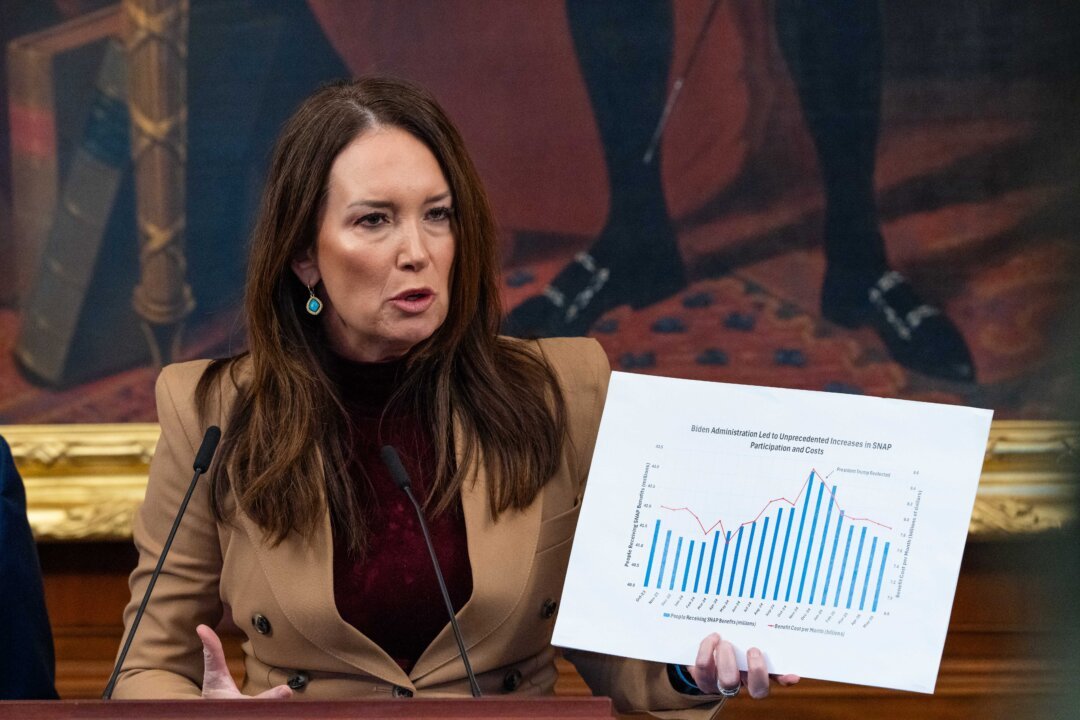
A high-stakes confrontation is brewing between federal authorities and 21 state governments over the nation’s largest food assistance program, with millions of vulnerable Americans potentially caught in the crossfire. The dispute centers on states’ refusal to hand over critical data about how Supplemental Nutrition Assistance Program (SNAP) benefits are being used, prompting federal officials to threaten unprecedented funding cuts.

Agriculture Secretary Brooke Rollins delivered the ultimatum earlier this week, marking a dramatic escalation in the federal government’s efforts to combat fraud within the $80 billion food stamp program. The warning comes after months of mounting pressure from the United States Department of Agriculture (USDA) for states to provide comprehensive data about SNAP usage patterns and beneficiary information.
The standoff represents one of the most significant challenges to the food stamp program in recent memory, raising urgent questions about how the nation’s safety net will function when federal and state authorities cannot agree on basic oversight measures. For the 42 million Americans who depend on SNAP benefits to put food on their tables, the dispute threatens to disrupt a lifeline that many families consider essential for survival.
At the heart of the controversy lies a fundamental disagreement over data sharing and fraud prevention measures. Federal investigators have been pushing states to provide detailed information about how SNAP benefits are distributed and used, citing concerns about widespread abuse and misuse of taxpayer funds. However, the 21 states in question have resisted these demands, raising concerns about privacy, administrative burden, and federal overreach.
The investigation into SNAP fraud has been gaining momentum throughout 2024, with federal auditors uncovering troubling patterns of abuse across multiple states. These findings have prompted calls for greater accountability and transparency in how the program operates, but they have also created tension between federal oversight responsibilities and states’ desire to maintain autonomy over their social services programs.
Secretary Rollins’ threat to withhold funding represents a significant escalation in tactics, one that could have immediate and far-reaching consequences for vulnerable populations. The states facing potential funding cuts serve diverse populations across different regions of the country, meaning that any disruption to SNAP services could affect urban and rural communities alike.
Food policy experts warn that the dispute could create a dangerous precedent for federal-state relations in social services programs. The potential for funding cuts raises questions about whether similar tactics might be employed in other safety net programs, creating uncertainty for state administrators and beneficiaries across the country.
The timing of this confrontation is particularly concerning given current economic pressures facing many American families. With food prices remaining elevated and many households still struggling with the lasting economic effects of recent inflationary periods, any disruption to SNAP benefits could have immediate humanitarian consequences.
State officials in the affected jurisdictions argue that federal data demands are overly burdensome and potentially invasive of beneficiaries’ privacy rights. They contend that existing oversight mechanisms are sufficient to prevent fraud and that additional reporting requirements would strain already stretched administrative resources without providing meaningful improvements to program integrity.
However, federal officials maintain that comprehensive data sharing is essential for identifying and preventing fraudulent activities that ultimately harm both taxpayers and legitimate beneficiaries. They argue that states’ resistance to transparency measures raises red flags about potential problems within their SNAP administration systems.
The dispute also highlights broader questions about the balance between program accessibility and fraud prevention. While everyone agrees that SNAP benefits should reach those who need them most while preventing misuse, there is significant disagreement about how to achieve these dual goals without creating unnecessary barriers or administrative complications.
As this standoff continues to unfold, advocacy groups for low-income families are expressing growing alarm about the potential consequences for vulnerable populations. They worry that the dispute between federal and state officials could result in benefit disruptions that would disproportionately impact children, elderly individuals, and disabled Americans who rely on SNAP assistance.
The resolution of this conflict will likely have lasting implications for how federal nutrition assistance programs operate and how federal-state partnerships in social services are structured. With billions of dollars in funding and millions of beneficiaries at stake, the outcome of this dispute could reshape the landscape of America’s safety net programs for years to come.
As Secretary Rollins and state officials continue their high-stakes negotiations, the clock is ticking for finding a solution that addresses fraud concerns while ensuring that vital nutrition assistance continues to reach the families who depend on it most. The coming weeks will be crucial in determining whether compromise is possible or whether this dispute will escalate into one of the most significant disruptions to federal nutrition assistance in recent history.