













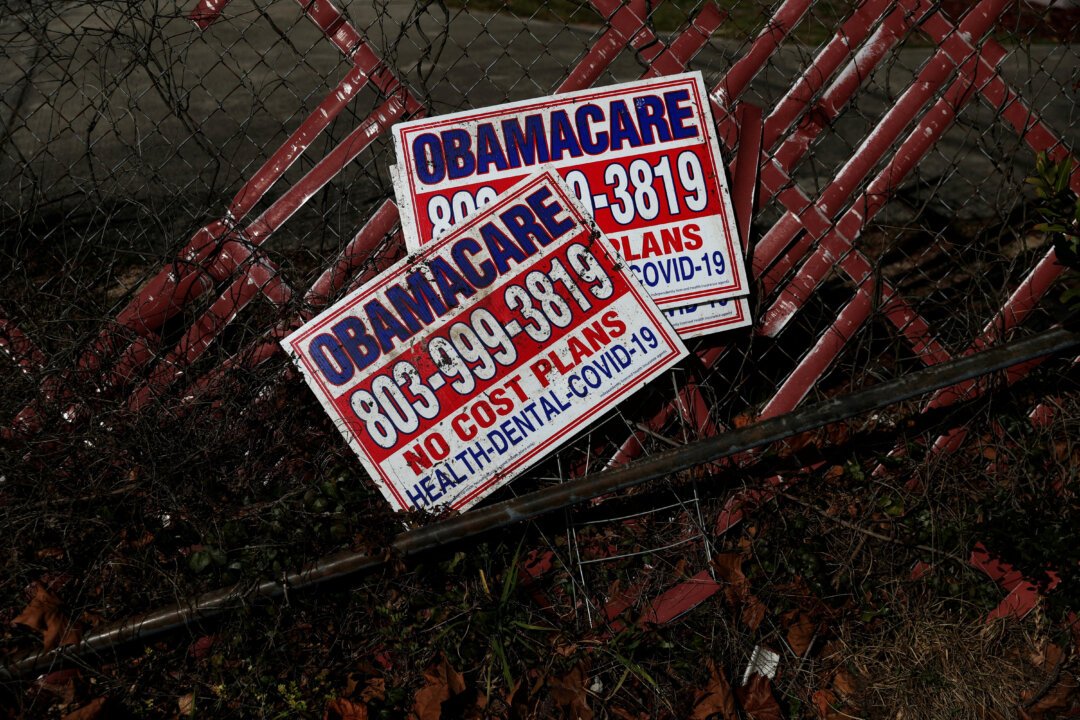
A damning new federal audit has exposed widespread fraud and financial waste within the Affordable Care Act’s insurance subsidy program, potentially costing American taxpayers billions of dollars annually. The Government Accountability Office released its explosive findings on December 3, revealing systematic abuse of the healthcare program commonly known as Obamacare.

The investigation centers on the advance premium tax credit system, where the federal government directly pays insurance companies on behalf of eligible participants to reduce their monthly healthcare premiums. This massive financial mechanism distributed an estimated $124 billion to insurance providers in 2024 alone, covering approximately 19.5 million enrolled Americans.
Among the most alarming discoveries, GAO investigators identified nearly 66,000 Social Security numbers that accumulated more than 366 days of coverage during the 2024 plan year. This mathematical impossibility immediately flagged potential duplicate enrollments, identity fraud, or systematic manipulation of the subsidy system.
The scale of the financial exposure is staggering. With the federal government shouldering such enormous costs through the APTC program, any fraud or waste directly impacts the federal budget and, ultimately, taxpayers who fund these healthcare subsidies through their tax dollars.
The GAO’s findings raise serious questions about oversight mechanisms within the Patient Protection and Affordable Care Act’s implementation. The watchdog agency’s report suggests that current safeguards have failed to prevent fraudulent actors from exploiting the system’s vulnerabilities.
This revelation comes at a time when healthcare costs continue to burden American families and federal spending faces intense scrutiny. The discovery of such extensive irregularities in a program designed to make healthcare more affordable and accessible undermines public trust in government-administered healthcare initiatives.
The timing of this report is particularly significant as policymakers debate healthcare reform and fiscal responsibility. The evidence of systematic abuse within one of the federal government’s largest healthcare expenditures will likely fuel renewed calls for stricter oversight and enhanced fraud prevention measures.
Insurance industry stakeholders and healthcare policy experts are expected to closely examine these findings, as the revelations could prompt significant changes to how premium tax credits are administered and monitored. The financial implications extend beyond immediate waste, potentially affecting future healthcare policy decisions and program funding.
As federal agencies work to address these vulnerabilities, millions of legitimate Obamacare participants may face increased scrutiny and verification requirements. The challenge now lies in strengthening fraud prevention while maintaining program accessibility for those who genuinely need healthcare assistance.