



























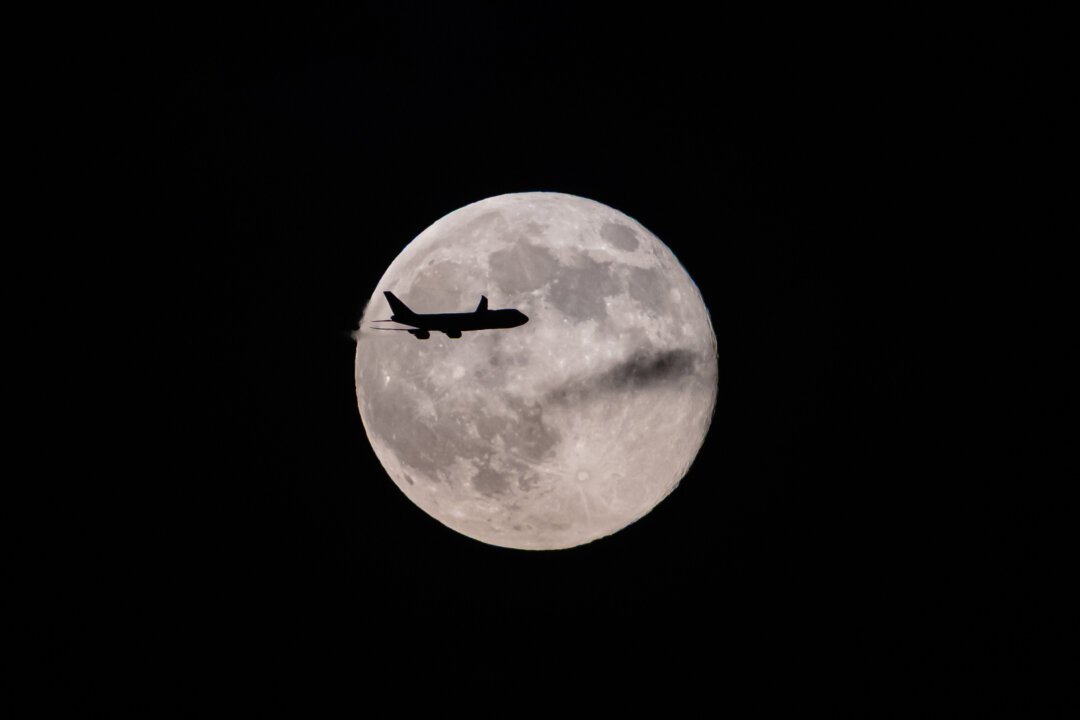
Sometimes the most profound moments arrive in the most ordinary circumstances. As I sit at a circular sushi counter in the heart of Charlotte’s bustling airport terminal, surrounded by travelers juggling backpacks, checking emails, and scrolling through their phones, I’m struck by an unexpected sense of wonder.

This isn’t a carefully curated dining experience at some acclaimed restaurant or trendy foodie destination. It’s simply a meal in transit, consumed while planes taxi outside the windows and departure announcements echo through the corridors. Yet there’s something miraculous happening here that goes far beyond the surface chaos of modern travel.
The scene around me tells a remarkable story of human ingenuity and connection. Here I am, thousands of miles from any ocean, enjoying fresh fish that was likely swimming in Pacific waters just days ago. The rice beneath it may have grown in California’s Central Valley or Louisiana’s bayou country. The wasabi and soy sauce represent culinary traditions that traveled across continents and centuries to reach this moment.
Every bite represents an invisible network of farmers, fishermen, distributors, chefs, and countless others whose work converged to create this simple airport meal. It’s a testament to the extraordinary systems that make our interconnected world possible—systems so seamless and efficient that we rarely pause to acknowledge their complexity or marvel at their existence.
Around me, fellow travelers are absorbed in their own journeys, each carrying their own stories, destinations, and purposes. Some are heading home to family reunions, others embarking on business ventures or adventures in distant cities. A few tables away, someone video calls with loved ones, their face lighting up despite the airport’s harsh fluorescent lighting.
In our hyperconnected age, it’s easy to become numb to these everyday miracles. We’ve grown accustomed to expecting fresh food from around the globe, instant communication across vast distances, and the ability to traverse continents in a matter of hours. What once would have been considered magical has become routine.
But sitting here, mindfully consuming this unremarkable meal in this utterly ordinary setting, I’m reminded that we’re living in an age of constant small miracles. The logistics required to deliver fresh sushi to an airport terminal in Charlotte represent centuries of human innovation, trade relationships, transportation advances, and cultural exchange.
Perhaps this is what wonder really looks like in the 21st century—not grand gestures or exotic destinations, but the quiet recognition of the extraordinary systems and connections that surround us every day. Sometimes all it takes is slowing down long enough, even in an airport terminal, to truly see what’s right in front of us.
As I finish my meal and prepare to board my own flight, I carry with me this reminder: miracles aren’t always dramatic or obvious. Sometimes they’re as simple as fresh fish served with kindness in an airport, surrounded by the beautiful chaos of human movement and connection. The key is maintaining the awareness to recognize them when they appear.