













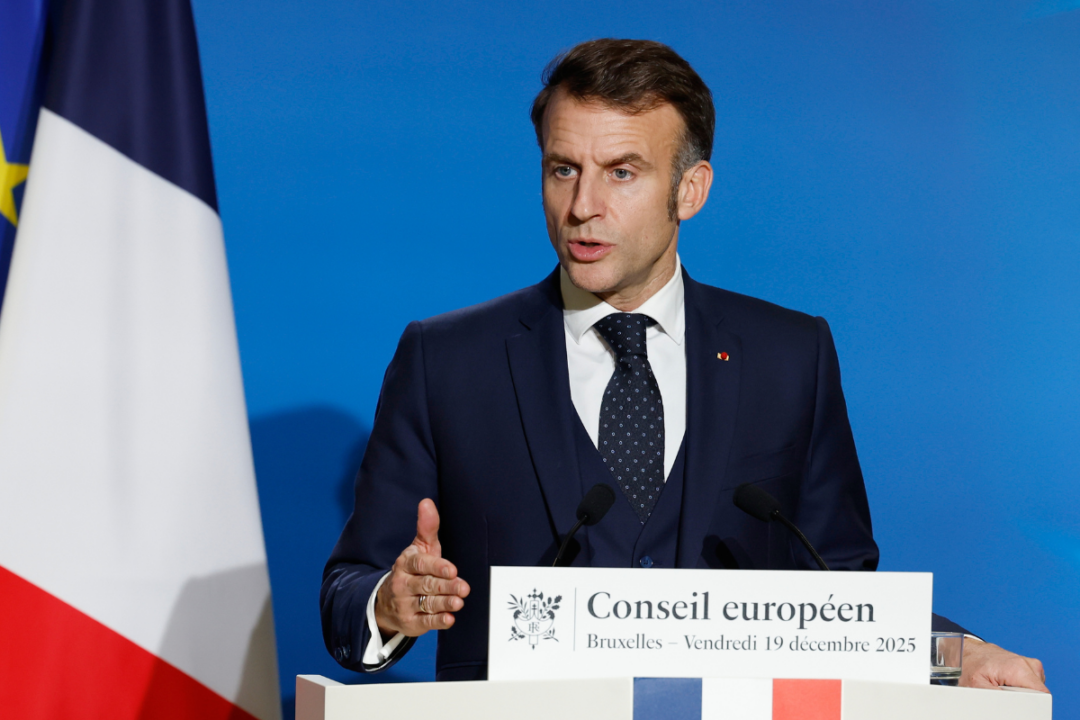
France is set to debate groundbreaking legislation that would ban children under 15 from accessing social media platforms, marking the latest effort by President Emmanuel Macron’s administration to shield young people from what officials describe as mounting online dangers.

The proposed legislation, which also includes a complete prohibition on cellphones in high schools starting this September, reflects growing international concern about the impact of digital platforms on youth mental health and behavior. However, Macron faces a potentially challenging path through France’s politically divided National Assembly to secure passage of these sweeping restrictions.
The French president has repeatedly identified social media as a contributing factor to rising violence among young people, positioning the country to follow Australia’s pioneering example. Australia made global headlines by implementing the world’s first comprehensive social media ban for users under 16, setting a precedent that France now appears ready to embrace with slight modifications.
This legislative push represents a significant escalation in France’s approach to digital regulation, particularly concerning minors. The dual focus on both social media access and classroom cellphone usage signals a comprehensive strategy to reduce screen time and digital distractions for French youth during critical developmental years.
The timing of the announcement coincides with mounting evidence from researchers and child safety advocates worldwide highlighting the potential negative effects of social media on adolescent mental health. Studies have linked excessive social media use to increased rates of anxiety, depression, and cyberbullying among teenagers, prompting governments across Europe and beyond to consider similar protective measures.
However, the proposal’s success is far from guaranteed. France’s National Assembly remains deeply fragmented following recent elections, with various political factions likely to scrutinize the legislation’s implementation details, enforcement mechanisms, and potential impact on digital rights and parental authority.
The cellphone ban in high schools, while perhaps less controversial than the social media restrictions, still represents a significant policy shift that will affect hundreds of thousands of French students and their families. Education officials will need to develop comprehensive guidelines for emergency communications and educational technology use under the new framework.
If successful, France would join a growing movement of nations taking decisive action against unrestricted youth access to social media platforms. The legislation could influence policy discussions across the European Union and potentially accelerate similar initiatives in other member states grappling with comparable concerns about children’s digital welfare.
The debate over these proposed restrictions will likely intensify in the coming weeks as lawmakers, parents, educators, and technology advocates weigh the balance between protecting children and preserving digital freedoms in an increasingly connected world.