













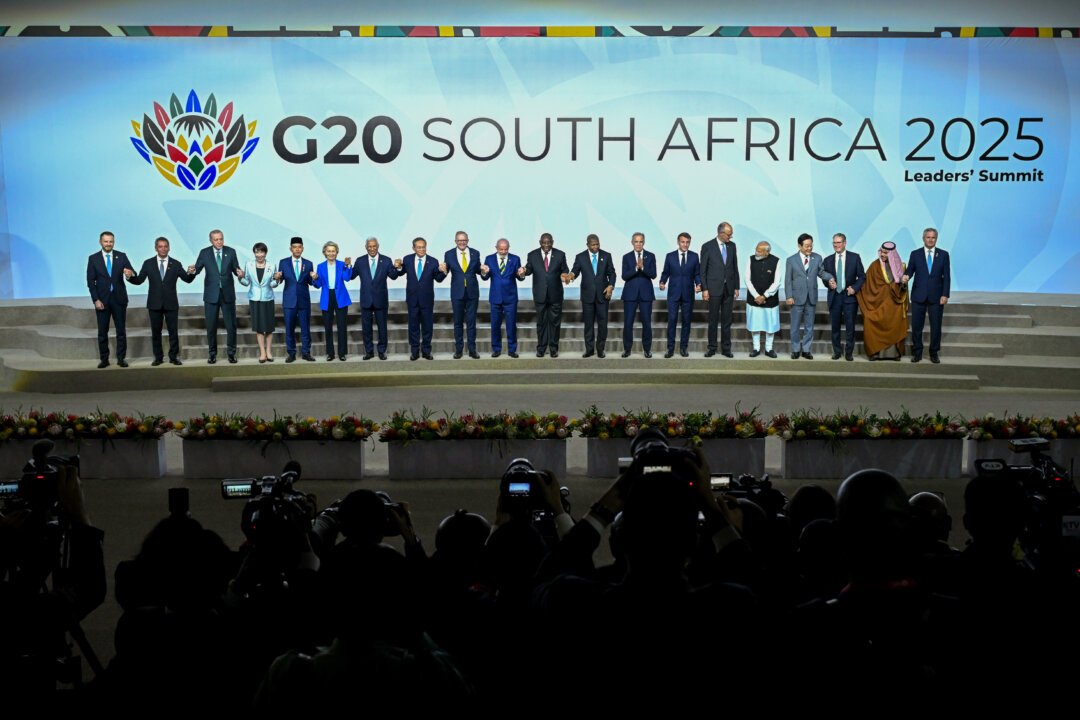
In an unprecedented move that underscores shifting global diplomatic dynamics, the Group of 20 nations successfully adopted a comprehensive declaration on November 22 without participation from the United States, as both American and Argentine leaders chose to boycott the high-profile summit in South Africa.

The absence of these major economic powers marked a significant departure from traditional G20 protocols, yet the remaining world leaders pressed forward with their agenda, demonstrating the bloc’s resilience in addressing global challenges even amid diplomatic tensions.
Breaking with established convention, the assembled heads of state and government officials opted to approve their joint declaration at the opening of the two-day Johannesburg summit, rather than following the customary practice of finalizing such documents during closing ceremonies. This strategic timing allowed the 18 participating nations to present a united front despite the notable absences.
The expedited adoption of the declaration sends a clear message about the G20’s commitment to multilateral cooperation, even as geopolitical fractures continue to challenge international consensus-building. The document addresses a comprehensive range of pressing global issues, though specific details about its contents and policy commitments have yet to be fully disclosed.
The US boycott represents a particularly striking development, given America’s traditional leadership role within the G20 framework since the group’s elevation to heads-of-state level during the 2008 financial crisis. Argentina’s simultaneous absence further complicated the summit’s dynamics, removing two significant voices from Western Hemisphere perspectives on global economic governance.
South Africa’s hosting of the summit marks an important moment for the African continent’s representation in global economic discussions, as the nation assumes a prominent platform to advocate for developing world priorities and concerns that often receive limited attention in international forums dominated by wealthy nations.
The decision to proceed with the declaration despite the boycotts reflects the G20’s evolution from a crisis-response mechanism into a more institutionalized forum for global governance, capable of functioning even when key members choose non-participation as a diplomatic tool.
As the summit continues, observers will be closely monitoring whether the remaining participants can maintain momentum on critical issues ranging from climate change and sustainable development to international trade and financial stability, all while navigating the diplomatic implications of the American and Argentine absences.