



























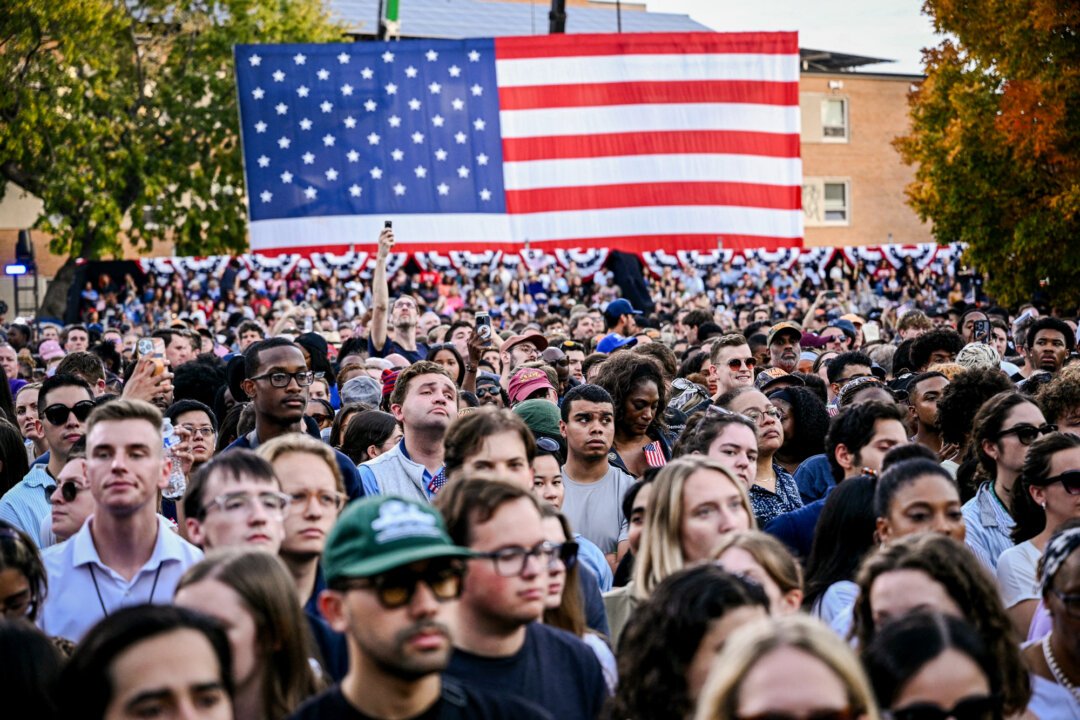
The American political landscape is experiencing a seismic shift as Generation Z prepares to join millennials in forming the majority of voters for the upcoming presidential election—marking the first time these younger generations will hold such decisive electoral power.

Far from being passive observers waiting for their turn in the spotlight, Generation Z has already established itself as a formidable political force that extends well beyond traditional activism. While previous generations might have expected young voters to limit their engagement to protests and social media campaigns, today’s Gen Z citizens are fundamentally reshaping how politics operates at every level of government.
This generation’s political engagement tells a story of unprecedented direct involvement in the machinery of democracy. Gen Z representatives are no longer content to simply influence from the outside—they’re taking seats at the table where decisions are made. From local city council chambers to the halls of Congress, young Americans are assuming leadership roles that were traditionally held by older, more established politicians.
The transformation is visible across multiple facets of political operations. In city halls nationwide, Gen Z staffers are bringing fresh perspectives to municipal governance, while grassroots field programs increasingly rely on young organizers who understand how to mobilize their peers. More significantly, a growing number of Generation Z candidates are launching congressional campaigns, challenging long-held assumptions about political experience and electability.
This demographic shift is forcing both major political parties to reconsider messaging strategies that have proven effective with older voter blocs but fail to connect with younger constituents. Traditional campaign rhetoric and policy priorities that resonated with Baby Boomers and Generation X are being scrutinized and adapted to address the concerns and communication styles of digital natives.
The implications of this generational political awakening extend far beyond vote tallies. As Gen Z and millennials prepare to become the dominant electoral force, their policy priorities—including climate action, student debt relief, healthcare accessibility, and social justice issues—are increasingly driving national political conversations.
Political analysts suggest this shift represents more than a typical generational transition. Unlike previous young voter movements that often remained on the periphery of established political structures, Generation Z is simultaneously working within the system while pushing for fundamental changes to how that system operates.