













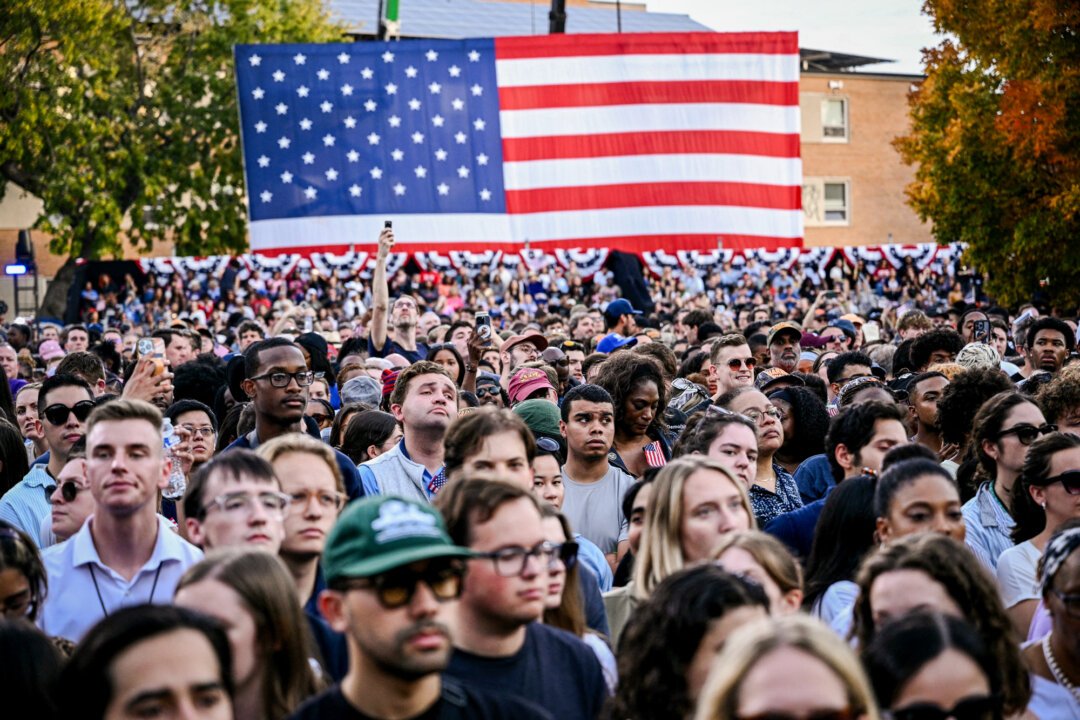
A seismic shift is underway in American politics as Generation Z and millennials stand poised to become the dominant force in the nation’s electoral process. For the first time in U.S. history, these younger generations are expected to constitute the majority of voters in the upcoming presidential election, fundamentally altering the political calculus that has guided campaigns for decades.

But Generation Z isn’t content to wait for their defining moment in 2028. These young Americans are already transforming the political landscape from within, moving far beyond the traditional roles of protesters and social media activists that older generations often associate with youth engagement.
Today’s politically active young people are strategically positioning themselves throughout the corridors of power. They’re filling crucial positions in city halls across the country, orchestrating sophisticated field operations for political campaigns, and increasingly throwing their hats into the ring for congressional seats. This isn’t just about showing up in exit polls anymore—it’s about wielding direct influence over policy and governance.
The impact extends beyond mere participation numbers. These emerging political leaders are forcing both major parties to confront an uncomfortable reality: the messaging strategies and policy positions that successfully mobilized older voter demographics are falling flat with younger constituencies. Campaign veterans are discovering that decades-old playbooks need complete rewrites to connect with voters who came of age during economic uncertainty, climate change concerns, and social media-driven information consumption.
Political strategists across party lines are scrambling to decode what motivates these new voters, whose priorities often diverge sharply from their predecessors. Issues that barely registered with previous generations—such as climate action, student debt relief, and social justice reform—now command center stage in political platforms.
This generational transition represents more than a simple changing of the guard. It signals a fundamental reimagining of American political engagement, where young leaders are refusing to wait their turn and instead demanding immediate seats at the decision-making table. As traditional political establishments grapple with this reality, one thing becomes increasingly clear: the future of American democracy is being shaped by voices that refuse to be relegated to the margins.