













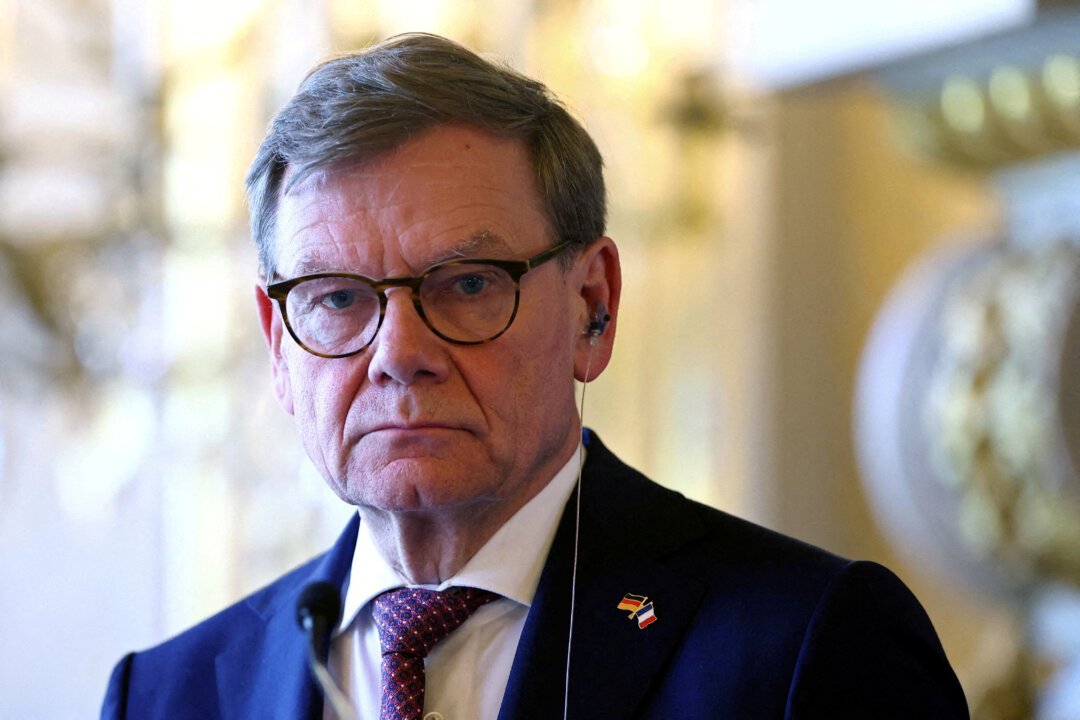
German Foreign Minister Johann Wadephul has acknowledged that significant diplomatic efforts remain before Beijing will approve rare earth export licenses for German manufacturers, highlighting the complex negotiations between the two economic powers.

Speaking to German broadcaster ZDF during his December 8 visit to China, Wadephul provided a cautious assessment of the ongoing discussions. “We have received signals, but there is still quite a lot of work to be done,” the minister stated, underscoring the delicate nature of the trade negotiations.
The minister’s comments come at a critical juncture for German industry, which relies heavily on rare earth elements for manufacturing high-tech products ranging from electric vehicle batteries to renewable energy systems. China controls approximately 80% of global rare earth processing capacity, making access to these materials crucial for Germany’s industrial competitiveness.
Wadephul emphasized the broader strategic implications of the relationship, noting that the security and prosperity of Germany and Europe “are closely tied to China.” This acknowledgment reflects the challenging balance European nations must strike between economic interdependence and strategic autonomy.
The rare earth licensing issue represents just one facet of the complex economic relationship between Germany and China. As Europe’s largest economy, Germany has significant industrial stakes in maintaining stable supply chains for critical materials, particularly as the country accelerates its transition toward renewable energy and electric mobility.
The minister’s diplomatic mission to Beijing signals Germany’s recognition that resolving trade disputes requires sustained high-level engagement. With Chinese rare earth exports subject to increasingly stringent licensing requirements, German manufacturers face potential supply chain disruptions that could impact production timelines and costs.
Industry observers note that the licensing discussions occur against a backdrop of evolving geopolitical tensions and trade relationships between Western nations and China. The outcome of these negotiations could set important precedents for how other European countries approach similar trade challenges with Beijing.
As talks continue, German businesses remain watchful of developments that could affect their access to essential raw materials. The success or failure of these diplomatic efforts may ultimately determine whether German manufacturers can secure the stable supply chains necessary for their long-term competitive positioning in global markets.