












Airlines worldwide scrambled to address a potentially dangerous software glitch affecting Airbus A320 aircraft over the weekend, causing widespread flight disruptions as carriers worked to implement emergency fixes. The urgent response comes after investigators determined that a computer code vulnerability may have triggered the alarming sudden altitude drop experienced by a JetBlue flight last month.

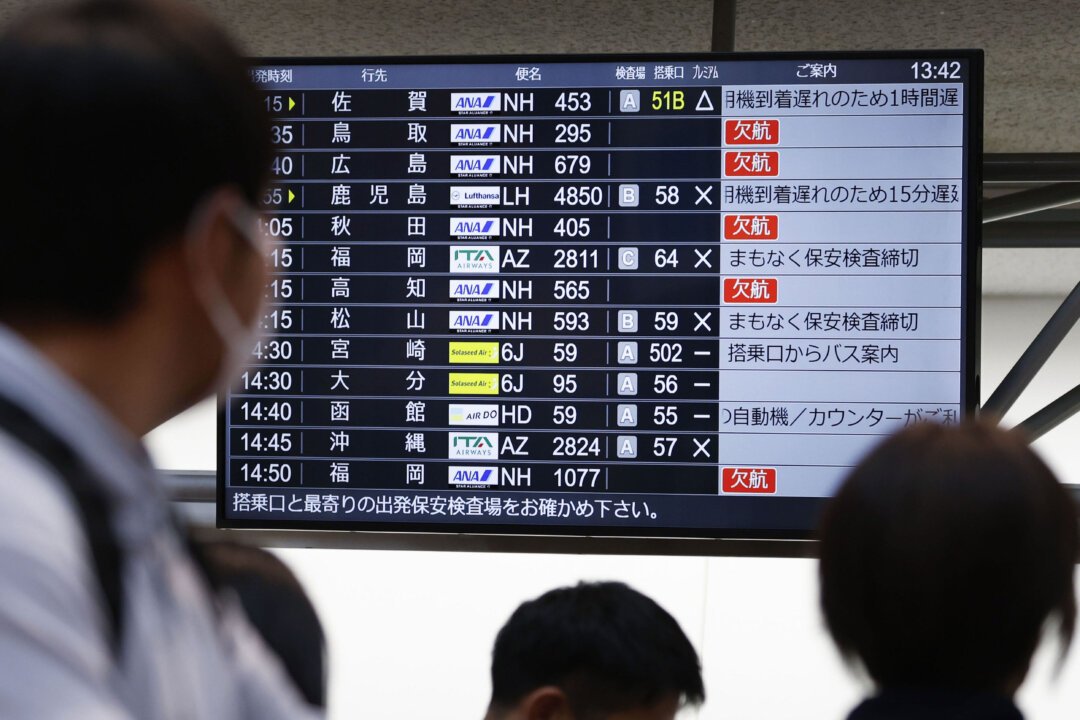
The crisis unfolded as departure boards at major airports, including Tokyo’s Haneda Airport, displayed multiple flight cancellations, leaving passengers stranded and airlines racing against time to resolve the technical issue before it could compromise flight safety on a larger scale.
European aerospace giant Airbus released a statement Friday revealing that their comprehensive analysis of the JetBlue incident had uncovered a critical vulnerability in the A320 family’s flight control systems. According to the company’s findings, intense solar radiation can corrupt essential data that controls the aircraft’s flight management systems, potentially leading to dangerous situations like the unexpected altitude changes experienced during the JetBlue flight.
The A320 family represents one of the most widely deployed aircraft series in commercial aviation, with thousands of these planes currently in service across airlines globally. This extensive deployment explains why the software issue has triggered such widespread disruption, as carriers must ground or restrict flights while implementing the necessary software patches.
Aviation safety experts are treating this discovery with utmost seriousness, given that flight control systems represent the most critical components of modern aircraft operations. The fact that solar radiation – a natural phenomenon that airlines cannot control or predict with complete accuracy – can interfere with these systems raises significant concerns about aviation safety protocols.
Airlines have been working around the clock to minimize passenger inconvenience while prioritizing safety. Many carriers have proactively cancelled flights rather than risk operating aircraft with the compromised software, demonstrating the aviation industry’s commitment to passenger safety over operational convenience.
The timing of this crisis, occurring during a busy travel weekend, has amplified its impact on passengers and airlines alike. However, industry observers note that discovering and addressing this vulnerability now, rather than after a more serious incident, represents a positive outcome for aviation safety.
As airlines continue their efforts to update aircraft software and restore normal operations, passengers are advised to check with their carriers for the latest flight status information. The aviation industry expects the majority of disruptions to be resolved within the coming days as the software fixes are fully implemented across affected aircraft fleets.