













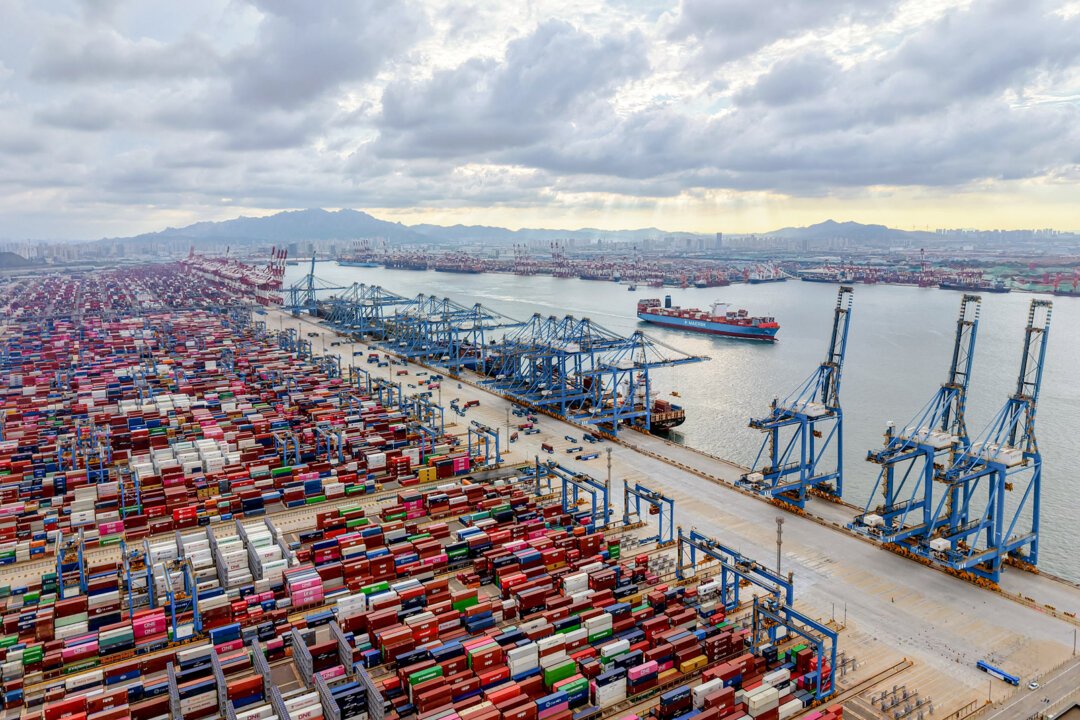
While diplomatic rhetoric between Washington and Beijing has softened in recent months, with officials on both sides emphasizing efforts to “stabilize” bilateral relations, a deeper and more concerning reality is emerging for China’s economic future. The apparent quiet on the tariff front masks an unprecedented global coordinated effort to reshape international trade relationships at China’s expense.

What began as a bilateral trade dispute between the world’s two largest economies has evolved into something far more significant—a multilateral restructuring of global supply chains designed to reduce dependence on Chinese manufacturing and exports. This shift represents a fundamental challenge to the trade model that has powered China’s remarkable economic growth over the past four decades.
The new approach differs markedly from the headline-grabbing tariff announcements that dominated trade news during the peak of U.S.-China tensions. Instead of dramatic pronouncements and immediate retaliatory measures, governments worldwide are implementing systematic, long-term policies that target the underlying infrastructure of China’s export economy.
Trade defense mechanisms are being deployed with unprecedented coordination among allied nations, creating a web of restrictions that extends far beyond traditional tariff barriers. These measures focus on critical supply chain vulnerabilities, technology transfer restrictions, and strategic industry protections that collectively present a more formidable challenge than previous trade disputes.
The breadth of this coordinated response suggests that what initially appeared to be a temporary trade war has transformed into a permanent realignment of global economic relationships. Countries across multiple continents are simultaneously reassessing their trade dependencies, implementing policies that encourage domestic production and diversification away from Chinese suppliers.
For China, this represents a more existential threat than the direct tariff confrontations of previous years. While bilateral disputes can be resolved through negotiation and compromise, the current multilateral approach to trade restructuring suggests a fundamental shift in how the global economy views China’s role in international commerce.
The implications extend beyond immediate trade flows to encompass long-term strategic planning for supply chain resilience, technology independence, and economic security. As governments worldwide prioritize these objectives, China faces the challenge of adapting its trade model to a fundamentally altered global landscape where economic integration is increasingly viewed through the lens of national security.