













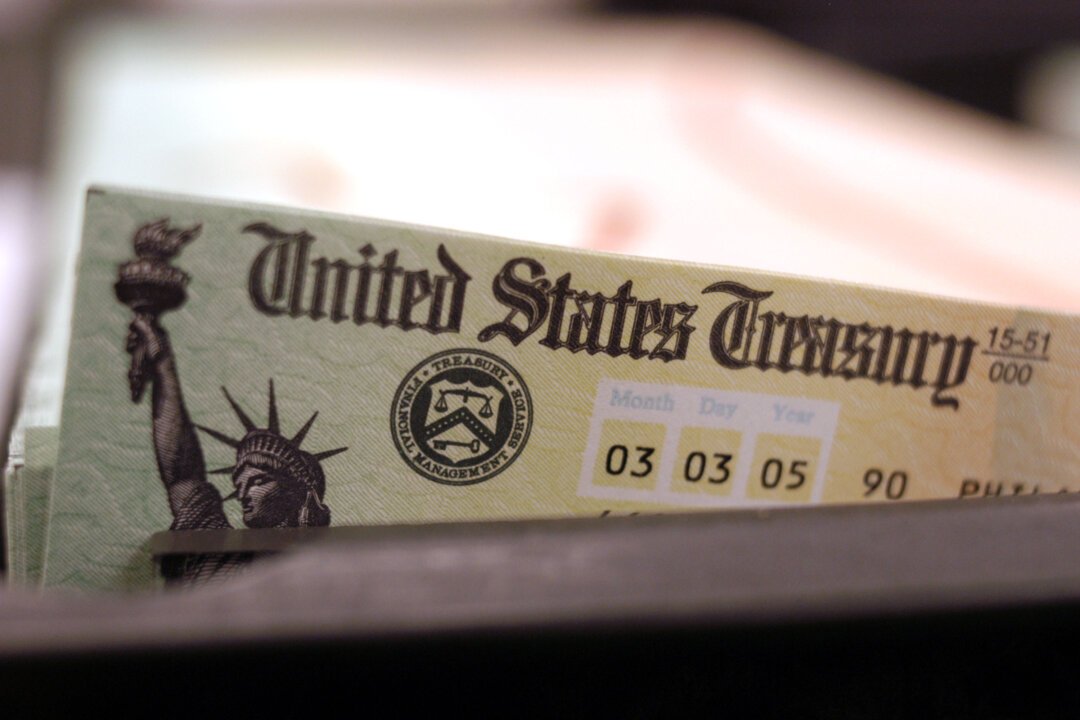
Growing Republican resistance is emerging against the Trump administration’s proposed $2,000 tariff dividend payments to American citizens, with at least one GOP lawmaker warning the initiative could carry an “astronomical” price tag that threatens fiscal responsibility.

Representative Greg Murphy of North Carolina became the latest Republican voice to express skepticism about the direct payment plan during a Fox Business interview on November 28. The physician-turned-politician emphasized that any such proposal would require thorough cost analysis before moving forward.
Murphy’s concerns center on the massive financial implications of distributing $2,000 payments to eligible Americans using revenue generated from tariffs on imported goods. The North Carolina Republican suggested that instead of funding individual payments, tariff revenues should be directed toward reducing the nation’s mounting debt burden.
The pushback from Murphy signals potential headwinds within the Republican Party for what could become a signature economic policy of a second Trump presidency. While tariffs have long been a cornerstone of Trump’s economic philosophy, the idea of converting that revenue into direct payments to citizens represents a newer twist on the trade policy tool.
The debate over tariff dividends comes as lawmakers grapple with competing priorities for government revenue. Fiscal conservatives within the GOP have consistently advocated for debt reduction, viewing the national debt as one of the most pressing long-term challenges facing the country’s economic stability.
Murphy’s characterization of the costs as potentially “astronomical” underscores the scale of such an undertaking. With over 250 million adults in the United States, a universal $2,000 payment program could easily exceed $500 billion, depending on eligibility requirements and implementation details.
The congressman’s position reflects broader tensions within Republican ranks between populist economic policies that directly benefit voters and traditional conservative fiscal principles that prioritize debt reduction and limited government spending.
As the Trump administration continues developing its economic agenda, the growing GOP opposition to tariff dividends may force reconsideration of the proposal or significant modifications to make it more palatable to budget-conscious Republicans who will play crucial roles in any legislative approval process.
The debate also highlights the complex relationship between trade policy and domestic economic benefits, as policymakers weigh whether tariff revenues should serve as a tool for debt management or direct citizen relief in an era of persistent inflation concerns.