













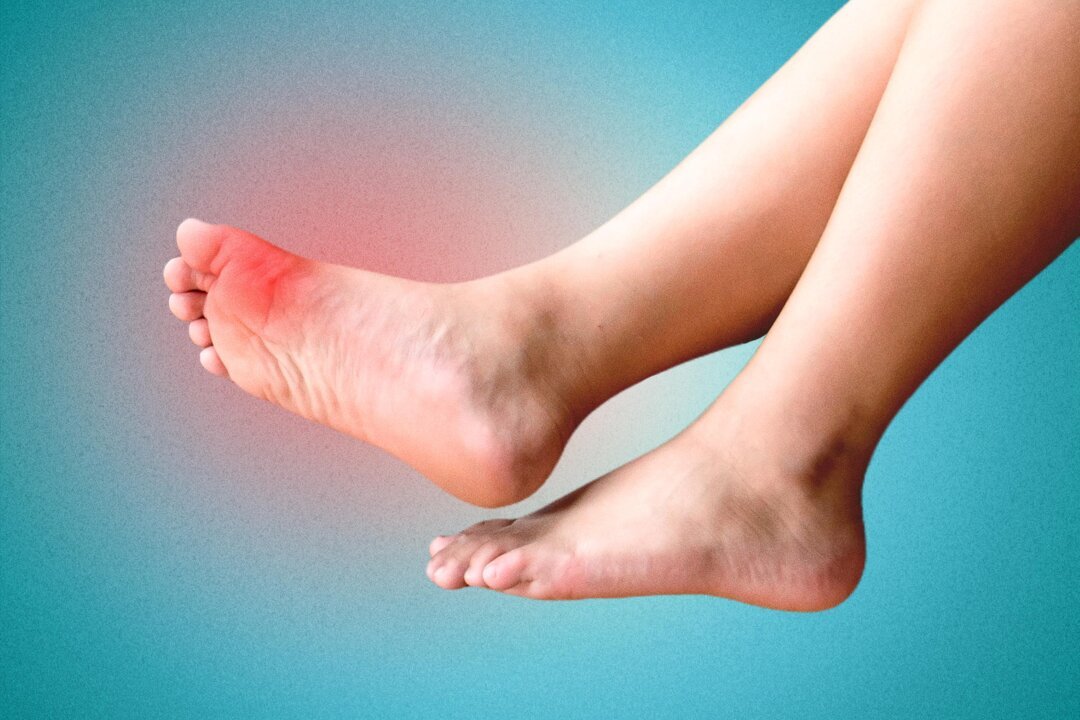
In a shocking case that highlights a troubling medical trend, an 8-year-old boy in Taiwan with a body mass index of 27 began limping one day, prompting his worried family to seek medical attention. The diagnosis stunned everyone: the child was suffering from an acute gout attack, along with several other chronic health conditions.

This alarming case underscores a dramatic shift in gout demographics. What was once exclusively considered a disease of middle-aged and elderly adults is now increasingly striking younger populations, with documented cases appearing among teenagers and even children. The numbers paint a sobering picture of what lies ahead.
According to groundbreaking research published in The Lancet Rheumatology, the global prevalence of gout is expected to skyrocket by more than 70 percent between 2020 and 2050. This projection has medical professionals scrambling to understand the underlying causes and develop effective treatment strategies.
When Gout Strikes: Understanding the Enemy
Gout attacks are notorious for their sudden, brutal onset. Most sufferers know the pattern all too well: the excruciating pain typically begins in the middle of the night or early morning hours, often targeting the big toe first. The affected joint becomes a battlefield of intense burning heat, severe swelling, and pain so severe that even the weight of a bedsheet can become unbearable.
These attacks occur when uric acid levels in the blood become elevated, leading to the formation of needle-sharp crystals that accumulate in joints and surrounding tissues. The body’s inflammatory response to these crystals triggers the characteristic symptoms that can leave sufferers immobilized for days or even weeks.
Traditional Chinese Medicine: Ancient Wisdom for Modern Pain
While conventional medicine typically relies on anti-inflammatory drugs and uric acid-lowering medications, Traditional Chinese Medicine (TCM) offers a comprehensive approach that addresses both immediate pain relief and long-term uric acid balance. TCM practitioners view gout not merely as a joint problem, but as a systemic imbalance that requires holistic treatment.
The TCM approach centers on three powerful pillars: natural herbal remedies, targeted acupuncture points, and carefully tailored dietary modifications. This trinity of treatments works synergistically to reduce inflammation, promote uric acid elimination, and restore the body’s natural balance.
Fast-Acting Natural Pain Relief Strategies
When a gout attack strikes, immediate relief becomes the top priority. TCM offers two particularly effective approaches for rapid pain management that have been refined over centuries of clinical practice.
The first method involves the strategic application of specific herbal formulations known for their anti-inflammatory properties. These natural compounds work by cooling the “heat” in affected joints while promoting the circulation of qi (vital energy) and blood. Unlike synthetic medications, these herbal remedies typically produce fewer side effects while addressing the root cause of the inflammation.
The second approach utilizes precise acupressure techniques targeting specific meridian points associated with pain relief and uric acid regulation. These techniques can be learned and applied at home, providing sufferers with immediate tools for managing acute episodes without relying solely on pharmaceutical interventions.
The Rising Tide: Why Gout is Affecting Younger Generations
The dramatic increase in gout cases among younger populations reflects broader changes in lifestyle, diet, and environmental factors. Modern diets high in processed foods, sugary beverages, and purine-rich foods create the perfect storm for elevated uric acid levels. Additionally, rising obesity rates, increased stress levels, and sedentary lifestyles all contribute to this troubling trend.
The case of the 8-year-old Taiwanese boy serves as a wake-up call for parents and healthcare providers alike. It demonstrates that gout can no longer be dismissed as an “old man’s disease” and highlights the urgent need for prevention strategies targeting younger demographics.
Looking Ahead: Prevention and Long-term Management
As the projected 70 percent increase in gout prevalence looms, the integration of traditional and modern approaches becomes increasingly important. TCM’s emphasis on dietary therapy, herbal medicine, and acupuncture offers valuable complementary strategies that can work alongside conventional treatments.
The key to successful gout management lies in understanding that quick fixes are rarely sufficient. Instead, a comprehensive approach that addresses lifestyle factors, dietary habits, and underlying constitutional imbalances provides the best hope for long-term relief and prevention of future attacks.
For those currently struggling with gout or at risk of developing the condition, exploring TCM options under qualified guidance may offer new pathways to relief. As cases continue to rise across all age groups, the ancient wisdom of Traditional Chinese Medicine provides a beacon of hope in the growing battle against this painful and debilitating condition.