













The age-old riddle about whether Greenland is truly icy while Iceland remains green continues to puzzle travelers, and the answer isn’t as straightforward as you might expect. The truth is both yes and no, depending largely on where exactly you find yourself on these contrasting Nordic islands.

What’s undeniable, however, is that Greenland—officially the world’s largest island—represents one of Earth’s most spectacular Arctic destinations. More importantly for adventure-seekers, this remote wilderness is experiencing an unprecedented tourism boom that’s transforming it from an inaccessible frozen frontier into a must-visit destination.
The game-changer has been the introduction of direct flights connecting Nuuk, Greenland’s vibrant capital, to Newark Liberty International Airport in New Jersey. These regularly scheduled services have effectively bridged the gap between North America and one of the planet’s most isolated territories, making what was once a grueling journey accessible to mainstream travelers.
The numbers tell the story of this Arctic awakening. Record-breaking tourist arrivals are reshaping Greenland’s hospitality landscape, while an increasing fleet of cruise ships now includes the island’s dramatic coastline on their itineraries. This surge in accessibility is revealing the colorful heart that beats beneath Greenland’s icy exterior.
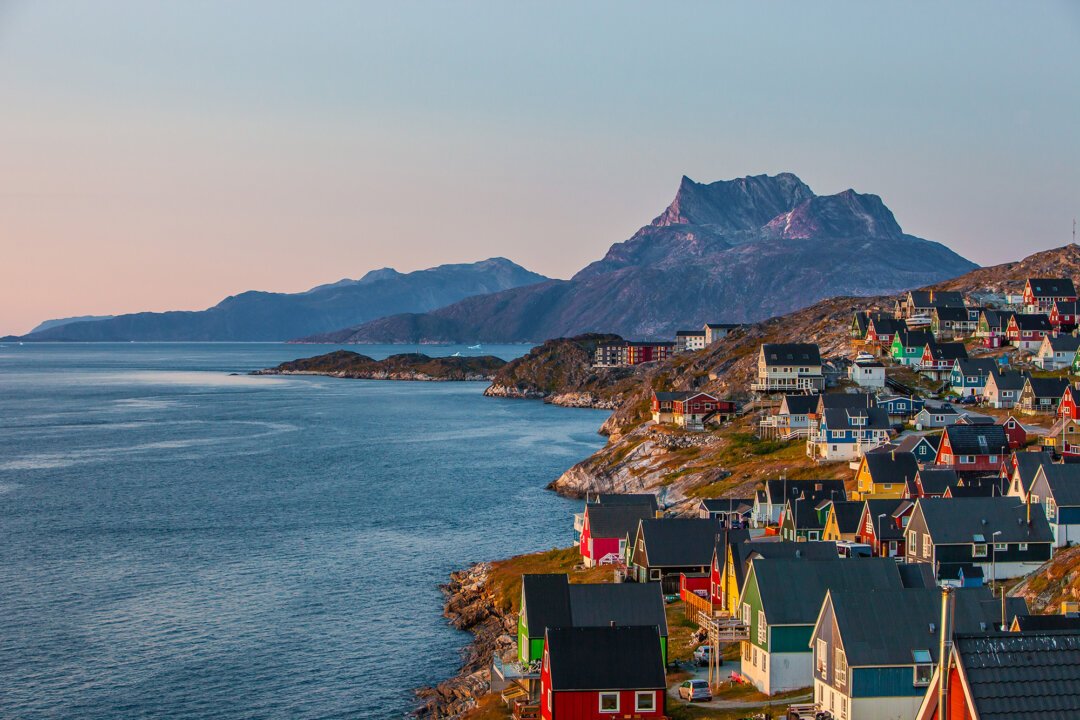
Visitors arriving in Nuuk are immediately struck by the capital’s iconic wooden houses, painted in brilliant reds, blues, yellows, and greens that create a stunning visual contrast against the stark Arctic landscape and towering rocky cliffs. These rainbow-hued structures have become symbols of Greenlandic resilience and identity, representing a culture that has not only survived but thrived in one of Earth’s most challenging environments.
Beyond the photogenic architecture lies a deeper story of human endurance and natural beauty. Greenland’s fjords, carved by millennia of glacial activity, stretch inland like frozen highways between mountains that dwarf anything found in more temperate regions. The island’s ice sheet, covering roughly 80 percent of its landmass, contains approximately 10 percent of the world’s fresh water—a statistic that puts its environmental significance into global perspective.
The tourism infrastructure is rapidly evolving to meet growing demand. Local tour operators now offer everything from dog sledding expeditions and Northern Lights viewing to cultural immersion experiences with Inuit communities whose ancestors have called this land home for thousands of years. Adventure travelers can explore ice caves, witness calving glaciers, and experience the midnight sun during summer months when daylight stretches around the clock.
For cruise passengers, Greenland offers encounters with wildlife that few destinations can match. Arctic foxes, seals, whales, and polar bears inhabit this pristine ecosystem, while bird enthusiasts can spot species adapted to extreme conditions. The surrounding waters, despite their forbidding appearance, teem with marine life that has sustained local communities for generations.
The cultural dimension adds another layer to Greenland’s appeal. Traditional kayaking, invented by Inuit hunters thousands of years ago, can be experienced in the same waters where the technique was perfected. Local museums showcase artifacts and stories that illuminate how human ingenuity enabled survival in conditions that would challenge modern technology.
Climate considerations add urgency to any Greenland travel plans. As global temperatures rise, the island’s massive ice sheet faces unprecedented changes, making current conditions potentially unrepeatable for future generations. This environmental reality has created a unique form of “last chance tourism,” where visitors come not just for adventure but to witness landscapes that may look dramatically different within decades.
The logistical improvements extend beyond flights. Accommodation options have expanded from basic guesthouses to boutique hotels that offer comfort without compromising the authentic Arctic experience. Restaurant scenes in towns like Nuuk now feature innovative Nordic cuisine that incorporates traditional ingredients like seal, whale, and foraged plants with contemporary cooking techniques.
Transportation within Greenland itself remains an adventure. With no roads connecting major settlements, travel between communities relies on boats, helicopters, and small aircraft—adding an element of expedition-style exploration that many modern destinations have lost to mass tourism infrastructure.
As Greenland opens its doors wider to international visitors, the challenge lies in balancing accessibility with preservation. Local authorities and tourism operators are working to develop sustainable practices that protect both the environment and indigenous culture while sharing this remarkable destination with the world.
For travelers seeking truly unique experiences, Greenland offers something increasingly rare in our connected world: the chance to visit a place that remains genuinely remote, culturally distinct, and naturally spectacular. The colorful houses of Nuuk may serve as the welcoming face of this Arctic nation, but they’re merely the beginning of discoveries that await beyond the ice.