













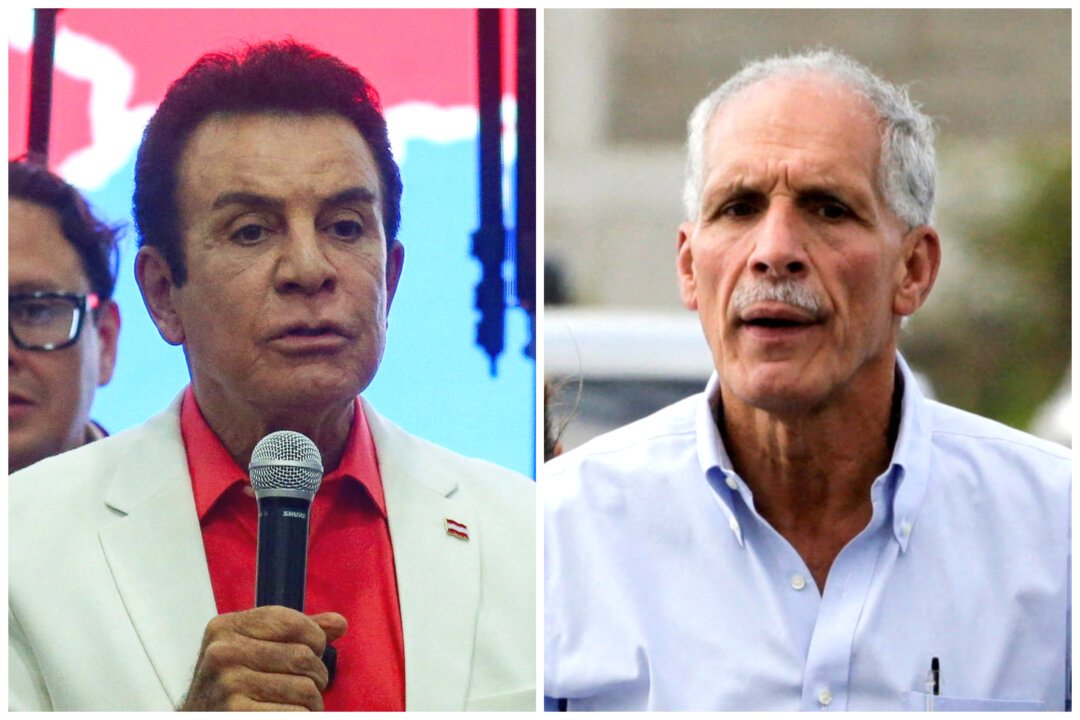
Honduras finds itself at a political crossroads as vote counting continues in a razor-thin presidential election that has seen dramatic momentum shifts and escalating tensions between candidates backed by opposing political forces.

The November 30 electoral contest initially appeared to favor center-left Liberal Party candidate Salvador Nasralla, with early exit polls showing him ahead of his conservative rival. However, as ballot counting extended into December 1, National Party candidate Nasry Asfura—who has received endorsement from U.S. President Donald Trump—managed to overtake Nasralla’s early advantage.
The see-saw nature of the results has created a volatile atmosphere in the Central American nation, with both campaigns closely monitoring every vote tabulated by electoral authorities. What began as a clear trend has evolved into one of the most contested presidential races in recent Honduran history.
Asfura’s campaign gained significant international attention after securing Trump’s backing, lending additional weight to what was already considered a pivotal election for Honduras’ future direction. The National Party candidate has positioned himself as a continuity choice for conservative governance in the country.
Meanwhile, Nasralla’s Liberal Party has maintained strong grassroots support, particularly in urban areas where his message of political reform and anti-corruption efforts has resonated with voters seeking change from traditional political establishments.
The shifting margins have kept both campaigns and their supporters on edge, with election observers noting the high stakes involved for Honduras’ relationship with the United States and broader regional stability. The outcome will likely influence the country’s approach to key issues including immigration, economic policy, and anti-corruption initiatives.
As vote counting continues, electoral authorities have emphasized their commitment to ensuring accuracy and transparency in the process, while both campaigns have deployed legal teams to monitor proceedings at counting centers across the nation.
The international community, including regional organizations and diplomatic missions, is closely watching developments in Honduras as the final results remain too close to call. The eventual winner will inherit significant challenges, including economic recovery, security concerns, and managing relationships with international partners.
Political analysts suggest that regardless of the final outcome, the narrow margins demonstrate a deeply divided electorate with competing visions for Honduras’ future. The close race has highlighted fundamental questions about the country’s democratic institutions and their ability to manage peaceful transitions of power.