













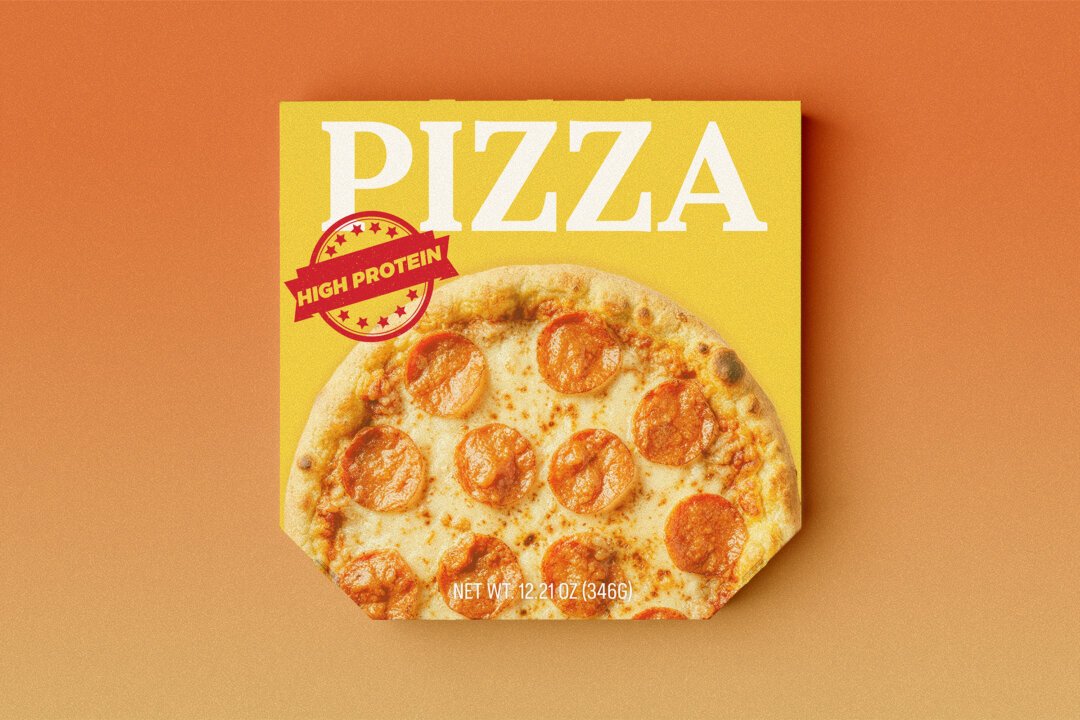
Step into any grocery store today, and you’ll witness a remarkable transformation taking place on the shelves. Products that once proudly displayed simple ingredients now boast bold claims about their protein content. From high-protein cookies and pasta to protein-enriched cereals and bagels, America’s food landscape has undergone a dramatic makeover—all in the name of health.

The protein revolution has even infiltrated our coffee culture, with major chains now serving up high-protein lattes to caffeine-seeking customers. Perhaps most telling of all, entrepreneurs are now marketing high-protein water, available both online and at major retailers, suggesting that even our most basic beverage needs enhancement.
But behind this protein-packed marketing blitz lies a troubling reality: food manufacturers are leveraging our collective obsession with this macronutrient to sell ultra-processed foods that may be anything but healthy.
The Protein Paradox: We’re Already Getting Enough
According to data from the Centers for Disease Control and Prevention, the vast majority of American adults are already meeting their recommended daily protein requirements. This fact makes the current protein frenzy all the more puzzling—and profitable for food companies.
The key to understanding this phenomenon lies in our collective confusion about nutrition. Research shows that 79 percent of Americans aren’t sure how much protein they actually need, creating a knowledge gap that savvy marketers are eager to exploit. This uncertainty makes consumers particularly vulnerable to aggressive marketing campaigns and social media influencers who promote ever-higher protein consumption.
A $117 Billion Industry Built on Protein Promises
The global protein market has swelled to an impressive $117 billion industry, driven by what manufacturers describe as “increasing demand for healthy meals” and snacks. These products are marketed as supporting fitness goals, weight management, and overall wellness—benefits that have become synonymous with protein consumption in the public mind.
This massive market expansion represents more than just consumer demand; it reflects a fundamental shift in how food companies position their products. By adding protein to traditionally unhealthy items, manufacturers can transform cookies, chips, and other processed snacks into seemingly virtuous choices.
The Ultra-Processed Food Makeover
The strategy is both simple and effective: take ultra-processed foods that consumers might otherwise avoid and reformulate them with added protein. Suddenly, a cookie becomes a “protein bar,” and pasta transforms into a “high-protein meal solution.” The underlying processing methods and questionable ingredients remain largely unchanged, but the marketing narrative shifts dramatically.
This protein washing of ultra-processed foods allows manufacturers to capitalize on health trends while continuing to sell products that nutritionists and public health experts have long warned against. The added protein serves as a health halo, making consumers feel good about choices they might otherwise question.
What Consumers Need to Know
For health-conscious shoppers navigating this protein-saturated marketplace, the key is looking beyond the bold claims on packaging. Real nutritional value comes from whole foods that naturally contain protein—lean meats, fish, legumes, nuts, and dairy products—rather than processed foods with protein powder stirred in.
The protein trend also highlights a broader issue in American food culture: our tendency to focus on individual nutrients rather than overall diet quality. While protein is undoubtedly important for health, the source and context matter significantly more than the total grams consumed.
As this protein-powered marketing machine continues to expand, consumers would be wise to remember that the healthiest protein sources have never needed flashy labels or marketing campaigns—they’ve been sitting quietly in the produce section all along.