


























In the halls of Oxford University during the tumultuous years between 1933 and 1945, two professors were quietly revolutionizing literature while the world burned around them. J.R.R. Tolkien and C.S. Lewis, now celebrated as titans of fantasy and science fiction, were profoundly shaped by the gathering storm of fascism and the devastating reality of World War II.

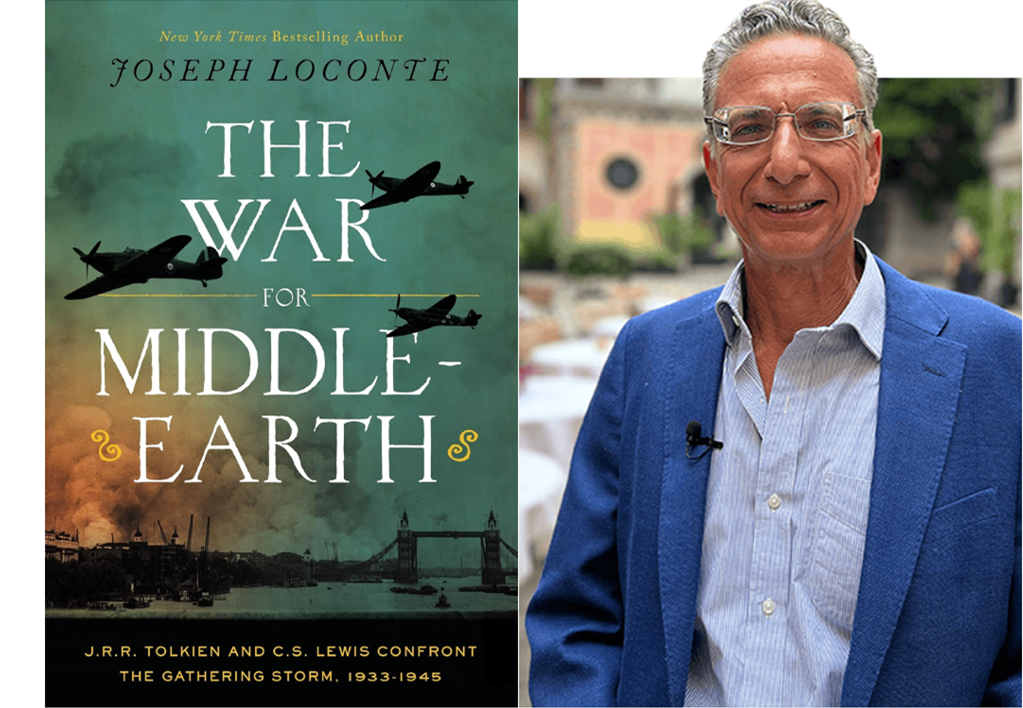
Joseph Loconte’s compelling new work, “The War for Middle-Earth: J.R.R. Tolkien and C.S. Lewis Confront the Gathering Storm, 1933–1945,” reveals how these Oxford dons transformed personal trauma and global catastrophe into timeless literary treasures that continue to captivate readers decades later.
While millions know Tolkien as the mastermind behind “The Hobbit” and “The Lord of the Rings,” and Lewis as the creator of the beloved Narnia chronicles and the thought-provoking Perelandra Trilogy, few understand how deeply the war years influenced their creative vision. These weren’t merely escapist fantasies born in ivory towers, but profound responses to the very real darkness threatening civilization itself.
Both authors had already experienced the horrors of warfare firsthand during World War I, where Tolkien lost close friends in the trenches and Lewis was wounded in action. The rise of Nazi Germany and the outbreak of another devastating global conflict forced these Christian intellectuals to grapple with fundamental questions about good and evil, sacrifice and redemption, hope and despair.
Their literary works transcended mere entertainment, becoming powerful vessels for defending traditional Christian values and demonstrating the enduring relevance of wisdom, courage, virtue, and faith in an increasingly secular and violent world. Through mythical realms and fantastical creatures, both authors explored the most pressing moral questions of their time.
Loconte’s meticulously researched book illuminates how the friendship between these two literary giants deepened during the war years, as they supported each other through personal losses, professional challenges, and the collective trauma of a civilization under siege. Their famous Inklings meetings became not just social gatherings, but crucibles where great literature was forged in response to contemporary darkness.
The transformation of both authors during this critical period is remarkable. Tolkien, initially reluctant to publish his elaborate Middle-earth mythology, found new purpose in sharing stories that could offer hope and meaning to a world devastated by mechanized warfare and industrial-scale genocide. Lewis, meanwhile, evolved from a brilliant but somewhat detached academic into one of Christianity’s most influential apologists and storytellers.
Their wartime experiences infused their fiction with authentic weight and moral complexity. The themes of corruption and power in “The Lord of the Rings,” the struggle between good and evil in “The Lion, the Witch and the Wardrobe,” and the exploration of sacrifice and redemption throughout both authors’ works all bear the unmistakable imprint of their wartime contemplations.
Today, as new global conflicts emerge and traditional values face fresh challenges, the wartime writings of Tolkien and Lewis offer profound insights into how great literature can emerge from humanity’s darkest hours. Their ability to transform personal anguish and civilizational crisis into stories of ultimate hope and triumph remains one of literature’s most remarkable achievements.
Loconte’s “The War for Middle-Earth” serves as both a fascinating biographical study and a testament to the power of friendship, faith, and imagination to overcome even the most overwhelming darkness. For readers seeking to understand how two of the 20th century’s most beloved authors found their voices amid global catastrophe, this book provides essential and deeply moving insights.