



























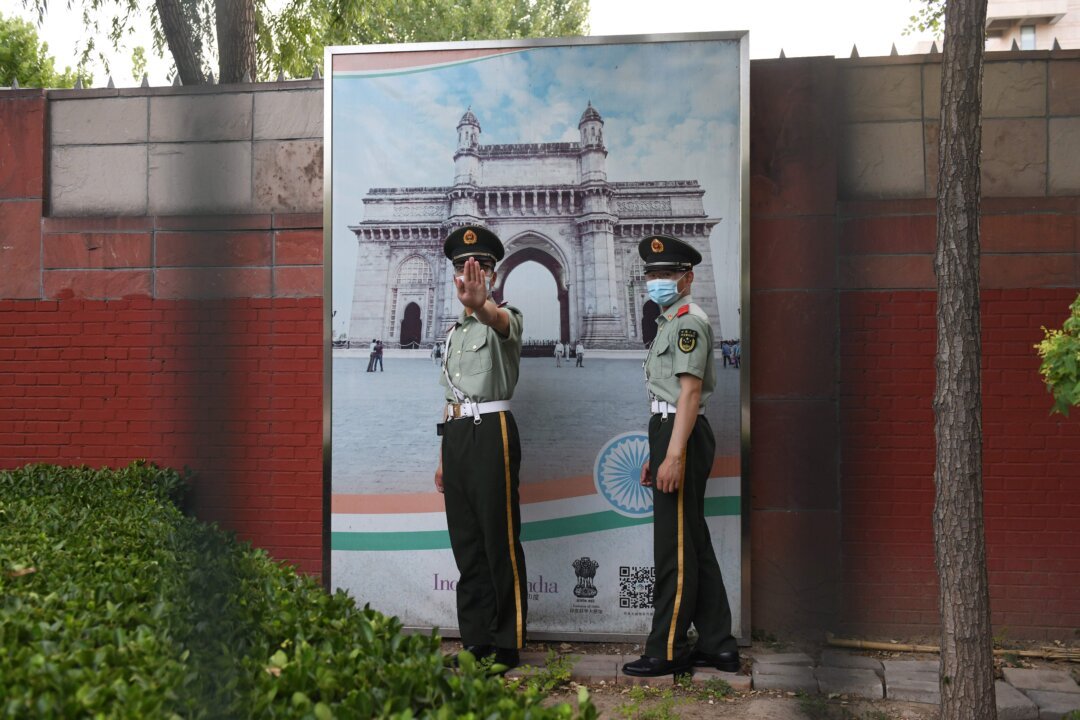
India has issued a travel advisory urging its citizens to exercise heightened caution when traveling through China, following the detention of an Indian passenger by Chinese border officials at Shanghai’s airport last month.

The diplomatic development underscores growing tensions between the two Asian giants and highlights concerns over the treatment of Indian nationals in Chinese territory.
Speaking at a routine press briefing on December 8, Indian Foreign Ministry spokesperson Randhir Jaiswal addressed the incident directly, emphasizing New Delhi’s expectations for proper treatment of its citizens.
“We expect that the Chinese government and officials will provide assurance that Indian citizens transiting through Chinese airports will not be targeted in any manner, nor will they be stopped or harassed arbitrarily,” Jaiswal stated firmly.
The detention incident, which occurred in November at one of China’s busiest international airports, has prompted Indian officials to reassess the safety protocols for their citizens traveling through Chinese territory. While specific details about the nature of the detention remain undisclosed, the incident has clearly raised red flags within India’s diplomatic circles.
This latest development adds another layer of complexity to the already strained relationship between India and China, two nations that share one of the world’s longest disputed borders and have experienced periodic tensions over territorial claims and trade disputes.
The travel advisory comes at a time when both countries are navigating various bilateral challenges, including border disagreements and economic competition in the region. For Indian travelers, the advisory serves as a crucial reminder to remain vigilant and prepared when transiting through Chinese airports.
The Indian government’s public statement also signals its commitment to protecting the rights and safety of its citizens abroad, while simultaneously putting diplomatic pressure on Beijing to ensure fair treatment of Indian nationals in the future.
As this situation develops, travelers are advised to stay informed about the latest diplomatic developments and consider alternative transit routes if possible, while the two governments work to resolve these concerns through diplomatic channels.