













The Indiana General Assembly is breaking from tradition this December, convening emergency sessions to tackle one of the most contentious issues in modern politics: congressional redistricting. The accelerated timeline has placed the Hoosier State at the center of a national conversation about electoral boundaries and political representation.

House Republicans are scheduled to gather on December 1st, more than five weeks earlier than their typical legislative calendar would dictate. Their mission is clear yet controversial—to consider redrawing Indiana’s congressional districts in a manner that would strengthen Republican electoral prospects across the state.
The Senate will follow suit on December 8th, ready to examine any redistricting proposal that emerges from the House chambers. This represents a significant shift from the legislature’s originally announced timeline, signaling the urgency Republican leadership places on this initiative.
The push for redistricting comes amid strong advocacy from influential Republican figures, including President Donald Trump and Indiana Governor Mike Braun. Their support has energized House Republicans, who appear largely unified in their approach to redrawing the state’s political map.
However, the political landscape within Indiana’s GOP reveals interesting fault lines. While House Republicans have coalesced around the redistricting effort, their Senate counterparts present a more complex picture. Republican senators find themselves divided on the issue, despite pressure from party leadership at both the state and national levels.
This internal Republican split adds an element of uncertainty to what might otherwise appear to be a straightforward partisan exercise. The divide suggests that even within the same party, lawmakers hold varying perspectives on the timing, necessity, and potential consequences of congressional redistricting.
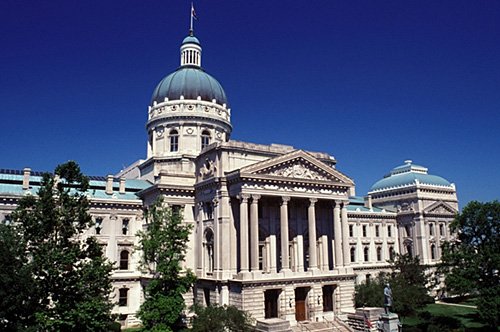
The December sessions will unfold against the backdrop of Indiana’s historic Statehouse in Indianapolis, where legislators will grapple with questions that extend far beyond state borders. Their decisions could influence congressional representation and potentially serve as a model—or cautionary tale—for other states considering similar redistricting efforts.
For Indiana voters, these emergency sessions represent a pivotal moment in determining how their voices will be represented in Washington for years to come. The outcome will likely reshape the state’s congressional delegation and could impact the balance of power in the U.S. House of Representatives.
As lawmakers prepare for these crucial deliberations, the eyes of political observers nationwide will be watching Indiana, where the intersection of state politics, federal influence, and electoral strategy is about to play out in real time.