


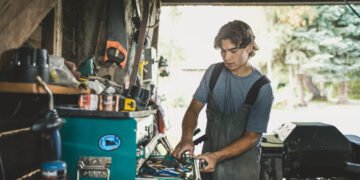










While most people embrace homesteading for self-sufficiency or the romantic appeal of simple living, RuthAnn Zimmerman had a refreshingly practical motivation: she needed to give her children meaningful work to do.

The Iowa mother of seven has built something remarkable on her 22-acre farm in northeastern Iowa. Alongside her husband Elvin and five of their children still living at home, Zimmerman has created a homestead that serves as both a working farm and a classroom for life’s most valuable lessons.
Zimmerman, who has gained recognition as a homesteading YouTuber and author of “The Heart of the Homestead,” traces her journey back to a simple purchase of baby chickens when her eldest daughters were young. What started as a way to teach responsibility through daily chores has evolved into a comprehensive lifestyle that shapes every aspect of their family’s values.
“For many Americans, the homesteading lifestyle is synonymous with self-reliance and extreme independence. Others seek a ‘Little House on the Prairie’ aesthetic centered around community and simple living, or dive into homesteading to learn the timeless skills necessary to provide homegrown food for themselves and their families,” explains the seasoned homesteader. “But for me, the lifestyle wasn’t about any of that. I began homesteading for a far simpler reason: to give my children chores.”
This practical approach to homesteading reflects a growing trend among modern families seeking to instill work ethic and responsibility in their children. In an era where many young people struggle with the concept of hard work, Zimmerman’s method offers a tangible solution rooted in traditional values.
The Zimmerman family’s approach demonstrates how homesteading can serve multiple purposes beyond the typical goals of self-sufficiency or environmental sustainability. By focusing on character development and family values, they’ve created a model that other parents might find both inspiring and achievable.
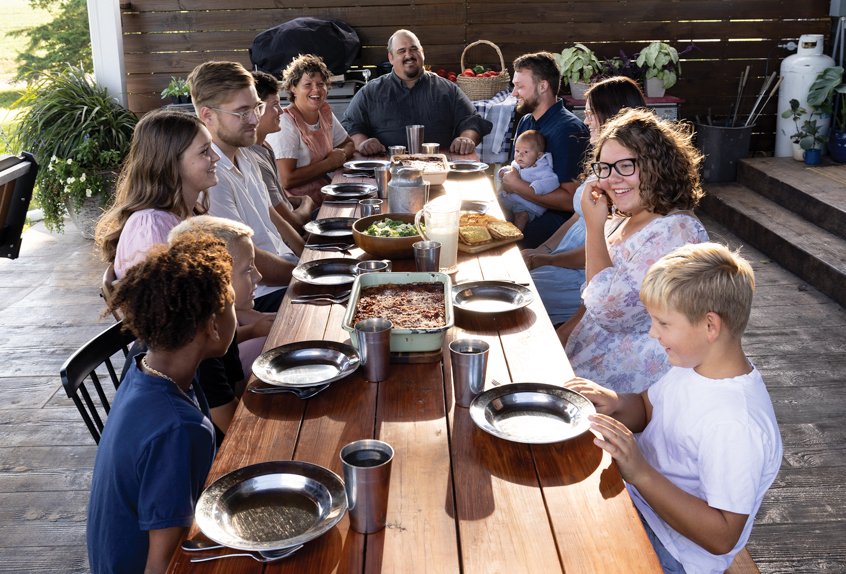
For Zimmerman, the dinner table remains the heart of their home, where the day’s work translates into precious family relationships. It’s here that the true value of their homesteading lifestyle becomes apparent – not just in the food they’ve grown or the animals they’ve raised, but in the bonds strengthened through shared labor and common purpose.
Their 22-acre farm in northeastern Iowa serves as proof that homesteading doesn’t require vast wilderness or complete isolation from modern society. Instead, it can be a deliberate choice to prioritize family values, work ethic, and meaningful connection to the land and each other.
As more families seek alternatives to screen-dominated childhoods and increasingly sedentary lifestyles, the Zimmerman approach offers a compelling blueprint. Their story suggests that sometimes the most profound transformations begin with the simplest intentions – like ensuring children have real work to do and understand the satisfaction that comes from a job well done.