



























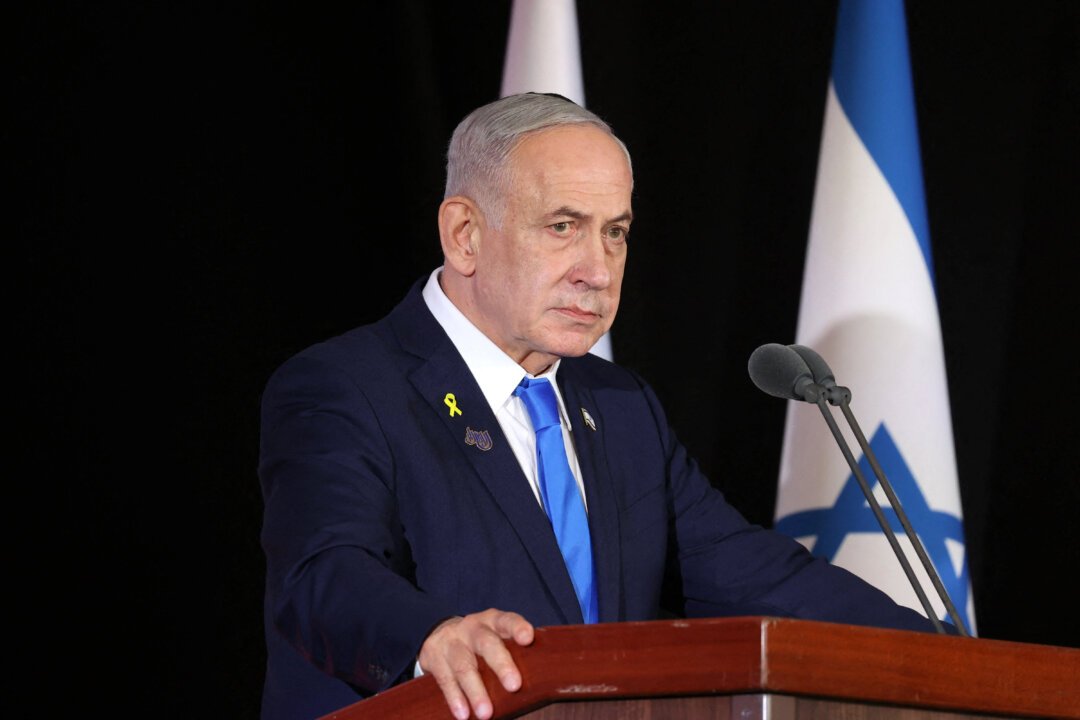
Israeli Prime Minister Benjamin Netanyahu’s office has announced that human remains delivered by Hamas through the Red Cross on December 2 do not correspond to any of the Israeli hostages still unaccounted for from the ongoing conflict.

The remains, which Netanyahu’s office formally described as “findings” in their official statement, were transferred to Israeli authorities via the International Committee of the Red Cross as part of ongoing negotiations between the parties.
This development adds another layer of complexity to the already tense situation surrounding the fate of remaining Israeli hostages, as families and officials continue to seek answers about their loved ones’ whereabouts and condition.
The timing of this announcement coincides with Israel’s decision to reopen the Rafah crossing for outbound travel, marking a significant shift in border policy that could affect thousands of Palestinians and foreign nationals seeking to leave the Gaza Strip.
The Rafah crossing, which serves as Gaza’s primary gateway to the outside world through Egypt, has been a critical point of contention throughout the conflict. Its reopening for departures suggests a potential easing of restrictions, though the full scope of the new policy remains unclear.
Israeli authorities have not provided additional details about the nature of the remains or the circumstances under which Hamas obtained them. The forensic analysis that led to the determination that the remains do not match any known Israeli hostages represents part of the ongoing efforts to account for all missing persons from the conflict.
The exchange of remains and information about casualties has been a recurring element in negotiations between Israeli officials and Hamas representatives, often facilitated by international mediators including the Red Cross and various diplomatic entities.
For families of the missing hostages, each development brings both hope for answers and the anxiety of uncertain outcomes. The Israeli government has maintained its commitment to securing the return of all hostages and accounting for those who may have perished in captivity.
As diplomatic efforts continue behind the scenes, the reopening of the Rafah crossing could signal broader changes in the management of Gaza’s borders and humanitarian access. The crossing has historically served tens of thousands of travelers annually, including medical patients, students, and business travelers.
The coordination between Israeli authorities, Egyptian officials, and international organizations will be crucial for the crossing’s effective operation, particularly given the complex security considerations that have influenced border policies throughout the conflict.