


























Israeli forces successfully targeted and killed a high-ranking Hezbollah military leader during a precision strike in Beirut on November 23, marking another significant blow to the Iranian-backed militant organization’s command structure.

The Israeli Foreign Ministry confirmed the elimination of Haytham Ali Tabatabai, identified as Hezbollah’s Chief of General Staff, in an official statement released Sunday. According to Israeli officials, Tabatabai played a crucial role in rebuilding and expanding Hezbollah’s military capabilities following previous conflicts.
“Israel has eliminated today in Beirut the Chief of Staff of Hezbollah, who had worked to rebuild and expand Hezbollah’s military and terrorist capabilities,” the Israeli Foreign Ministry announced in its statement.
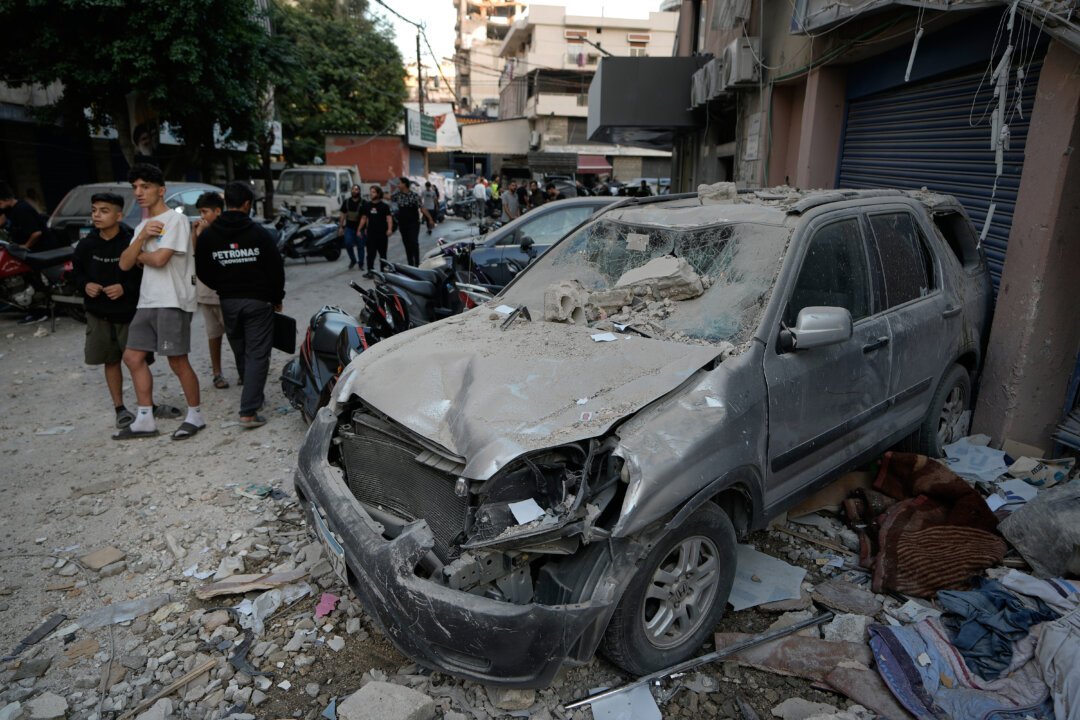
The targeted assassination took place in the Dahiyeh suburb of southern Beirut, an area known as a Hezbollah stronghold. The strike caused significant damage to an apartment building in the densely populated neighborhood, with debris and damaged vehicles scattered throughout the immediate vicinity.
Israeli Prime Minister Benjamin Netanyahu characterized the eliminated Hezbollah commander as a terrorist responsible for numerous attacks, describing Tabatabai’s role in the organization’s military operations as particularly significant to their strategic planning and operational capabilities.
This latest military action represents part of Israel’s ongoing campaign to degrade Hezbollah’s leadership structure and operational capacity. The precision strike demonstrates Israel’s continued intelligence capabilities and willingness to conduct targeted operations deep within Lebanese territory.
The assassination comes amid heightened tensions between Israel and Hezbollah, with both sides engaged in an escalating cycle of attacks and retaliation. Tabatabai’s elimination removes a key figure responsible for coordinating military operations and rebuilding the organization’s capabilities after previous Israeli strikes.
Lebanese authorities have yet to issue an official response to the strike, while Hezbollah has not immediately confirmed the death of their senior commander. The incident is likely to further escalate tensions in the region and potentially trigger retaliatory actions from the militant group.
The targeted killing underscores the ongoing shadow war between Israel and Iran’s proxy forces across the Middle East, with Hezbollah serving as Tehran’s primary asset in any potential conflict with Israel. The elimination of senior military commanders has become a key component of Israel’s strategy to prevent Hezbollah from rebuilding its military strength.