



























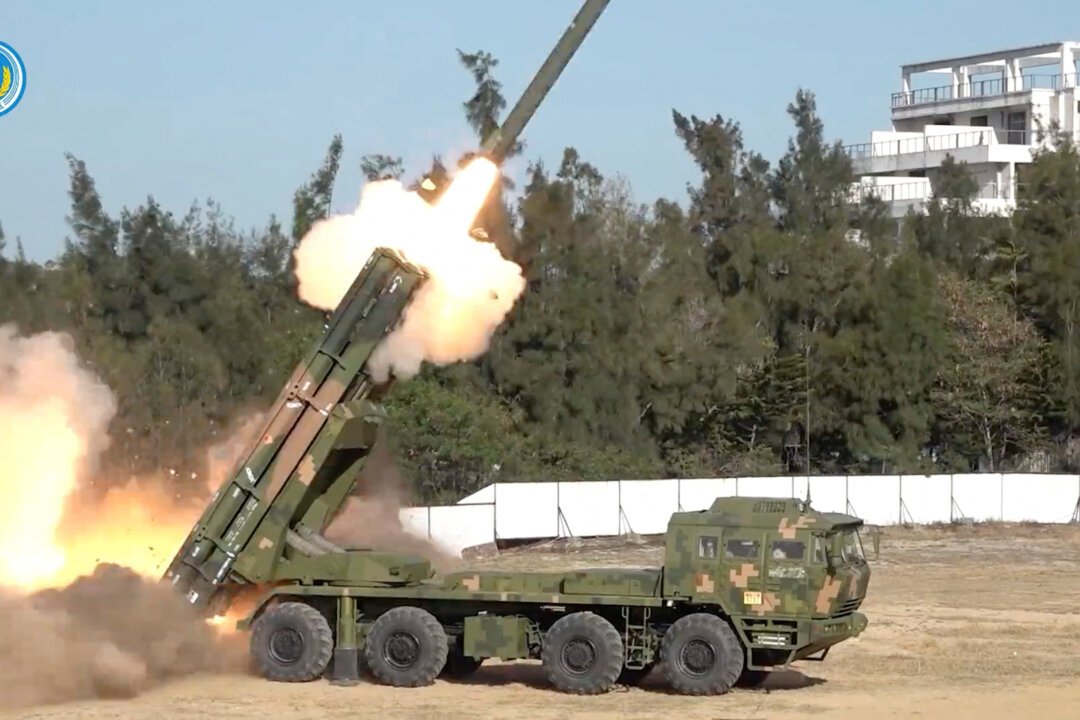
China’s aggressive two-day military campaign featuring extensive live-fire drills encircling Taiwan has sparked international condemnation and prompted Japan to formally lodge diplomatic protests with Beijing over what Tokyo describes as dangerous escalation in the Taiwan Strait.

The large-scale military exercises, conducted by China’s People’s Liberation Army (PLA) on Monday and Tuesday, targeted waters surrounding the self-governed island democracy, marking another significant show of force in one of the world’s most volatile geopolitical flashpoints.
Japan’s government moved swiftly to express its displeasure with Beijing’s military posturing, issuing an official statement on January 1 that directly conveyed Tokyo’s concerns about the drills’ impact on regional stability. The Japanese foreign ministry emphasized that such exercises only serve to heighten tensions in an already fragile security environment.
Strategic Waters Under Fire
The Eastern Theatre Command of China’s People’s Liberation Army released video footage showing military units conducting long-range live-fire exercises targeting waters north of Taiwan. The strategic nature of these drills, which effectively surrounded Taiwan with military activity, represents Beijing’s continued efforts to assert its territorial claims over the island.
The timing and scale of the exercises have drawn criticism from multiple nations beyond Japan, with international observers noting the provocative nature of conducting live-fire drills in busy maritime corridors that serve as crucial shipping lanes for global commerce.
Diplomatic Fallout Intensifies
The military exercises have triggered immediate diplomatic repercussions, with Japan joining a growing chorus of international voices expressing concern over China’s increasingly assertive military posture in the region. Tokyo’s formal complaint to Beijing underscores the broader anxiety among regional powers about the potential for miscalculation in the Taiwan Strait.
The Japanese government’s response reflects deeper concerns about regional security architecture, particularly given Japan’s strategic interests in maintaining stability in sea lanes that are vital for its economic security and energy supplies.
Economic Implications Mount
Beyond the immediate diplomatic tensions, the military exercises are generating economic uncertainty as markets react to heightened geopolitical risks. The Taiwan Strait serves as a critical corridor for international shipping, and any military activity in the region typically sends ripples through global supply chains and financial markets.
The drills represent the latest escalation in a pattern of Chinese military activities around Taiwan that have intensified in recent years, with Beijing regularly conducting air and naval operations near the island as part of what it describes as routine training exercises.
As international attention focuses on this latest display of military might, the broader question of regional stability in East Asia continues to dominate diplomatic discussions among allied nations committed to maintaining peace and security in one of the world’s most economically vital regions.