













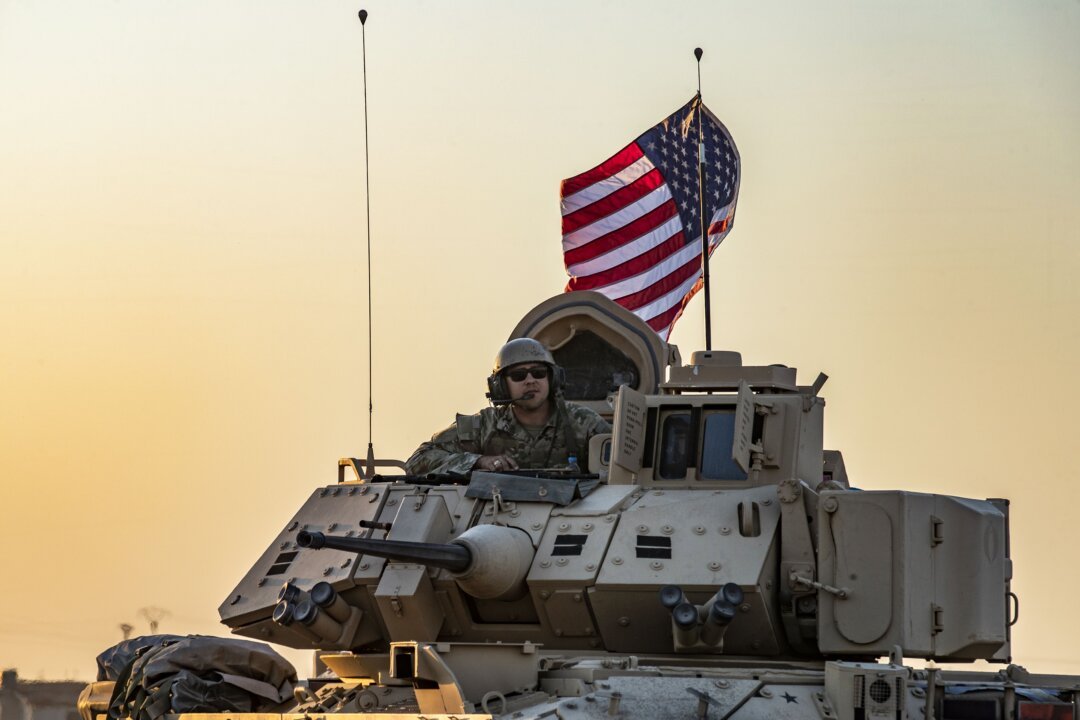
American and Syrian government forces have successfully destroyed more than 15 ISIS weapons caches and terrorist sites across southern Syria, according to a statement released by U.S. Central Command (CENTCOM) on November 30.

The coordinated military operation represents a significant blow to the terrorist organization’s infrastructure as international forces work to prevent ISIS from regaining its footing in the region. The strike comes more than five years after the U.S.-led coalition declared victory over the group’s territorial caliphate in 2019.
CENTCOM officials emphasized that this latest operation forms part of a comprehensive strategy designed to ensure ISIS cannot rebuild its operational capabilities in Syria. The terrorist group, despite losing its territorial strongholds, has continued to pose a persistent threat through sleeper cells and hidden weapons stockpiles throughout the region.
The destruction of these weapons sites underscores the ongoing security challenges facing coalition forces and regional partners in Syria. Military analysts note that dismantling ISIS’s remaining infrastructure requires sustained pressure and coordinated efforts between international and local forces.
According to military sources, the operation specifically targeted facilities that could have been used by ISIS remnants to launch future attacks or rebuild their operational network. The successful identification and elimination of these sites demonstrates the effectiveness of intelligence-sharing between U.S. and Syrian forces.
The U.S. military has consistently advocated for maintaining pressure on ISIS remnants while simultaneously pushing for the faster repatriation of ISIS detainees currently held in facilities across northeast Syria. Officials argue that addressing the detainee situation is crucial for long-term regional stability.
This latest military action highlights the complex security landscape in Syria, where multiple international actors continue operations against terrorist groups while navigating the country’s broader political crisis. The cooperation between American and Syrian forces in this particular operation represents a tactical alignment despite broader diplomatic tensions.
Since the collapse of ISIS’s so-called caliphate, coalition forces have conducted numerous operations aimed at preventing the group’s resurgence. Intelligence reports suggest that while significantly weakened, ISIS continues to maintain cells capable of conducting attacks and recruiting new members.
The November 30 operation serves as a reminder that the fight against ISIS remains an active mission requiring ongoing vigilance and military commitment from coalition partners across the Middle East region.