













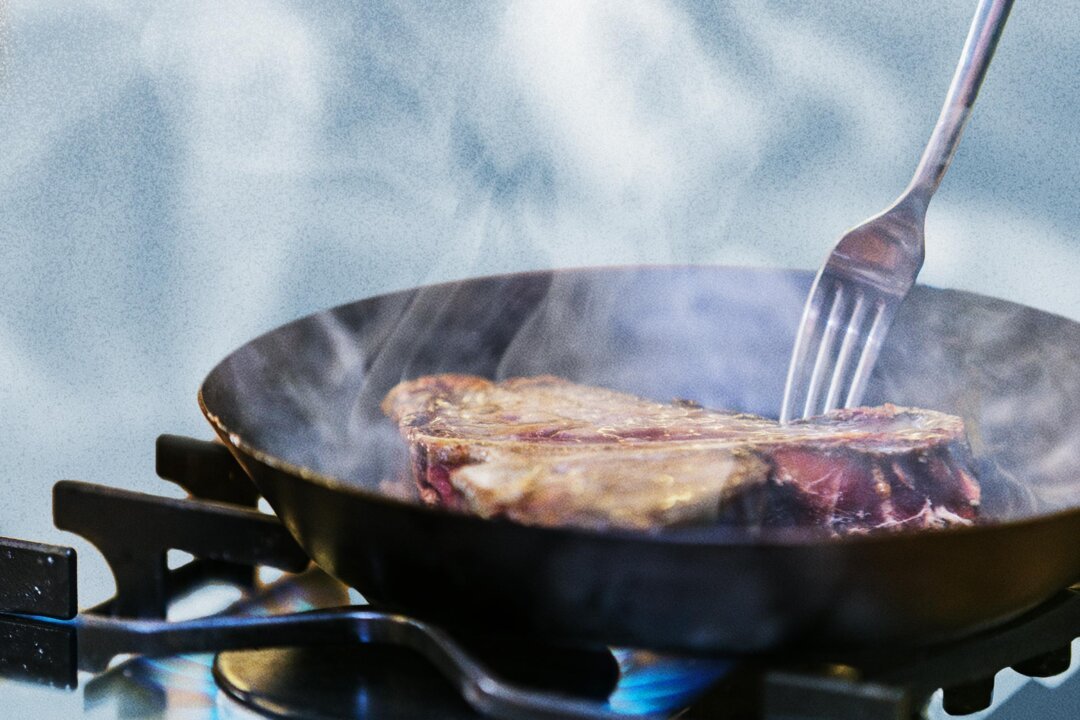
Every time you fire up your stove, an invisible danger may be filling your kitchen. Those seemingly harmless cooking fumes swirling around your pans could be quietly undermining your health, potentially increasing your risk of heart disease, Alzheimer’s, and serious respiratory problems.

This alarming reality has prompted health experts and toxicologists to sound the alarm about a threat that millions of home cooks face daily, often without realizing the long-term consequences of their culinary habits.
The Science Behind the Smoke
When cooking oil meets scorching temperatures, a complex chemical reaction begins. “The composition of cooking fumes is highly complex,” explains Tzung-Hai Yen, a leading food safety and toxicology expert at Taiwan’s Chang Gung Memorial Hospital International Medical Center. “When cooking oil and food are exposed to high temperatures, thermal decomposition and degradation can produce a variety of harmful chemical compounds.”
What makes this phenomenon particularly dangerous is proximity. Unlike outdoor air pollution that gets diluted before reaching us, cooking fumes hit us at close range. “Because we stand very close to the stove, these fumes enter the body easily and quickly, allowing harmful substances to travel deep into the lungs before we even notice,” Yen warns.
The invisible nature of this threat means many people continue cooking without adequate protection, unknowingly exposing themselves and their families to a cocktail of potentially toxic compounds day after day.
Beyond Bad Smells: Real Health Consequences
Recent research has revealed that cooking fumes pose far more serious risks than temporary throat irritation or watery eyes. Studies have linked prolonged exposure to these airborne toxins with cardiovascular disease, suggesting that the chemicals released during high-temperature cooking can affect heart health over time.
Perhaps even more concerning is emerging evidence connecting cooking fume exposure to neurodegenerative conditions like Alzheimer’s disease. The microscopic particles and chemical compounds produced during cooking can potentially cross the blood-brain barrier, raising questions about long-term cognitive health impacts.
Respiratory conditions represent another major concern. The lungs, being the first point of contact for these airborne toxins, bear the brunt of the assault. From minor irritation to more serious breathing difficulties, the respiratory system faces constant challenges in kitchens with poor ventilation.
A Growing Awareness
Health professionals are increasingly recognizing cooking fumes as a legitimate public health concern. Both conventional medical experts and traditional Chinese medicine practitioners have begun developing strategies to help people protect themselves while maintaining their cooking routines.
The key lies in understanding that this isn’t about eliminating cooking altogether – it’s about cooking smarter and safer. By implementing proper protective measures and strengthening the body’s natural defenses, home cooks can continue enjoying their culinary pursuits while minimizing health risks.
As awareness grows, more families are taking proactive steps to address this hidden household hazard. The solution doesn’t require abandoning home-cooked meals, but rather adopting simple yet effective strategies that can dramatically reduce exposure to harmful cooking fumes.