













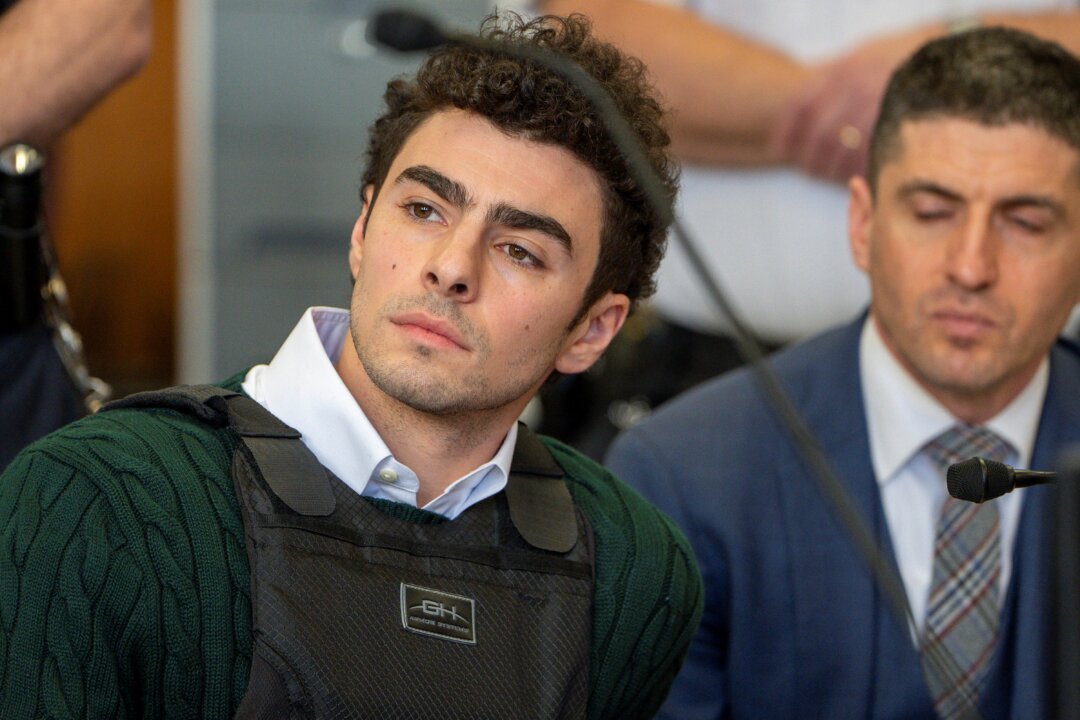
In a critical pre-trial hearing that could shape the outcome of one of New York’s most closely watched murder cases, defense attorneys for Luigi Mangione appeared before a Manhattan judge on December 1st, arguing for the exclusion of potentially damaging evidence in their client’s upcoming trial.

The 27-year-old Mangione stands accused of the shocking assassination of UnitedHealthcare CEO Brian Thompson, who was gunned down outside a Manhattan hotel in December 2024. The brazen daylight shooting sent shockwaves through the corporate world and captured national attention as investigators pieced together the events leading to Thompson’s death.
The stakes couldn’t be higher for Mangione, who faces a complex web of both state and federal murder charges. If convicted, he could spend the rest of his life behind bars or potentially face execution, as federal prosecutors have indicated they may seek the death penalty in this high-profile case.
The defense’s motion to suppress evidence represents a crucial battleground in what promises to be an intensely scrutinized legal proceeding. While the specific nature of the evidence in question has not been disclosed publicly, such pre-trial motions typically challenge the admissibility of physical evidence, witness statements, or investigative procedures that the defense argues were obtained improperly or in violation of constitutional protections.
The December 1st court appearance marks another significant milestone in the legal proceedings that have unfolded since Mangione’s arrest. The case has drawn widespread media attention not only for the high-profile nature of the victim but also for the circumstances surrounding the alleged crime and subsequent investigation.
As the case moves forward, both prosecution and defense teams are positioning themselves for what appears likely to be a lengthy and complex trial. The dual nature of the charges—with both state and federal jurisdictions involved—adds an additional layer of complexity to the proceedings and gives prosecutors multiple pathways to pursue justice for Thompson’s death.
The outcome of the evidence suppression hearing could prove pivotal in determining the strength of the prosecution’s case and may influence whether the matter proceeds to trial or results in plea negotiations. Legal experts will be watching closely to see how the judge rules on the defense’s motions, as such decisions often set the tone for the entire trial process.
The case continues to unfold in Manhattan Criminal Court, where Mangione’s fate will ultimately be decided by a jury of his peers, assuming the case proceeds to trial after the resolution of pre-trial motions and other legal preliminaries.