













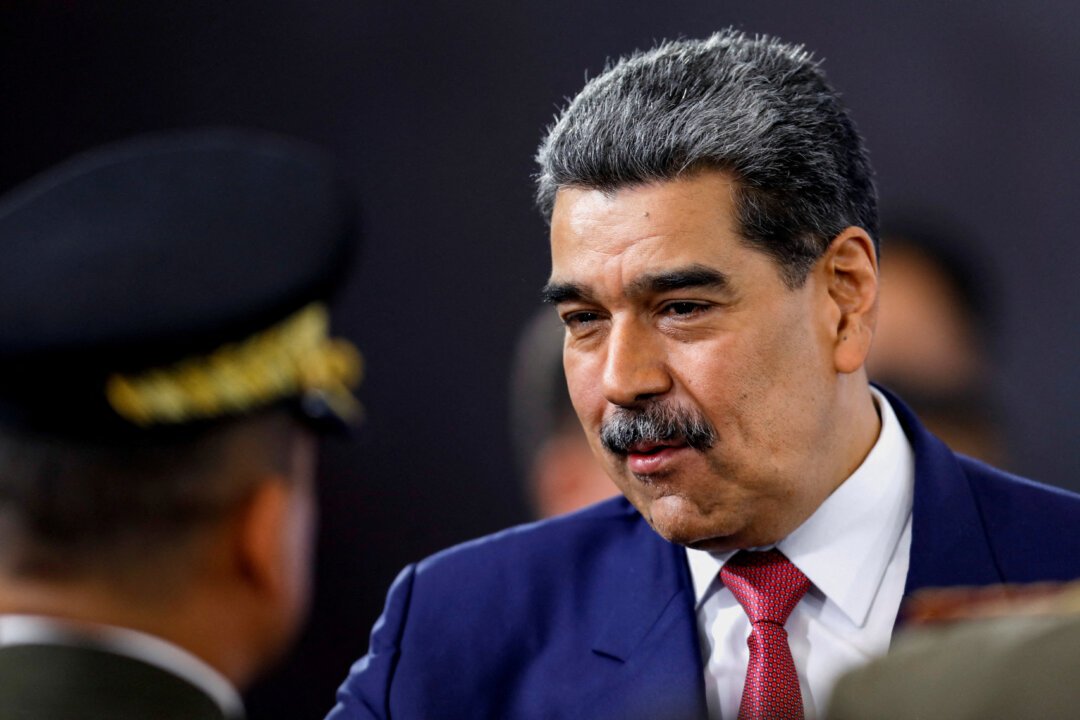
In a surprising diplomatic development, Venezuelan President Nicolas Maduro disclosed Tuesday that he engaged in what he described as a “respectful and cordial” telephone conversation with U.S. President Donald Trump approximately ten days ago, raising the possibility of renewed dialogue between the two nations.

The revelation came during a televised address on December 3, where Maduro expressed cautious optimism about the potential for improved relations with Washington. The Venezuelan leader, who has faced years of U.S. sanctions and diplomatic isolation, appeared to view the conversation as a potential turning point in bilateral relations.
“If this call means steps are being taken toward a respectful dialogue between our countries, then dialogue is welcome, diplomacy is welcome,” Maduro stated during his television appearance, signaling his administration’s openness to diplomatic engagement.
The phone call represents a notable shift in the relationship between the two countries, which has been marked by significant tension and mutual antagonism in recent years. The Trump administration had previously imposed sweeping economic sanctions on Venezuela and refused to recognize Maduro’s legitimacy as president.
President Trump had confirmed the occurrence of the call several days earlier but declined to provide additional details about the substance of their conversation. The president’s silence on the matter has left observers speculating about the potential implications for future U.S.-Venezuela relations.
This diplomatic outreach comes at a critical juncture for Venezuela, which continues to grapple with severe economic challenges and international isolation. The South American nation has been seeking ways to improve its standing on the global stage and alleviate the pressure from international sanctions that have severely impacted its economy.
The timing of Maduro’s public acknowledgment of the call is particularly significant, as it suggests both leaders may be exploring opportunities for a reset in their nations’ relationship. However, substantial obstacles remain, including ongoing disputes over democratic governance, human rights concerns, and regional security issues.
Foreign policy experts will be closely monitoring any subsequent developments to determine whether this initial contact leads to more substantive diplomatic engagement or remains an isolated incident. The potential for improved U.S.-Venezuela relations could have broader implications for regional stability and economic cooperation throughout Latin America.
As both nations navigate complex domestic and international pressures, this unexpected diplomatic overture may represent the first step toward a more constructive relationship, though significant challenges and deep-seated disagreements continue to complicate the path forward.