













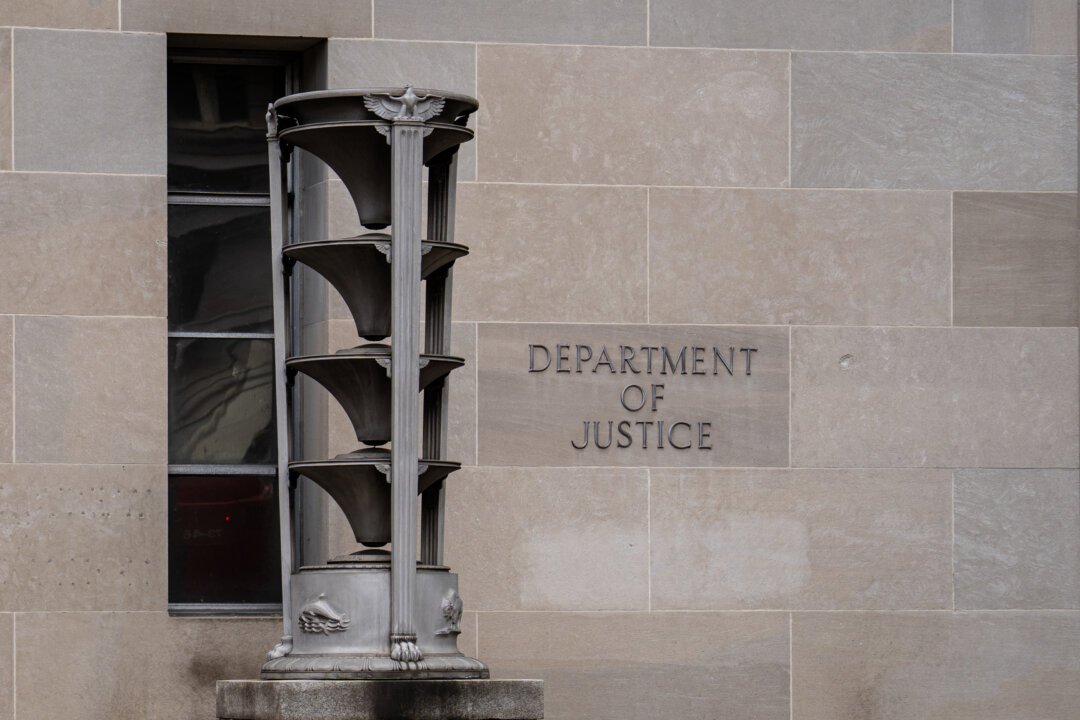
A Maryland resident has been sentenced to 15 months in federal prison for orchestrating an elaborate scheme that enabled foreign operatives to gain unauthorized access to sensitive U.S. government systems and private company networks, federal prosecutors announced this week.

Minh Phuong Ngoc Vong, 37, of Bowie, Maryland, pleaded guilty in April to conspiracy to commit wire fraud in connection with a sophisticated operation that ran from 2021 to 2024. The Department of Justice revealed on December 4 that Vong’s criminal enterprise involved using fraudulent identities to secure remote IT positions at multiple U.S. organizations, while the actual work was performed by co-conspirators operating from China on behalf of North Korea.
According to federal prosecutors, Vong successfully infiltrated at least 13 different American companies and four U.S. government agencies through his deceptive practices. The scheme represented a significant national security threat, as it provided foreign actors with direct access to sensitive American technological infrastructure and potentially classified information.
An FBI official characterized the operation as part of North Korea’s broader efforts to penetrate American corporate and government networks, stating that the defendant was “using false identities on behalf of North Korea to infiltrate American companies.”
The case highlights growing concerns among U.S. law enforcement and intelligence agencies about sophisticated foreign infiltration attempts targeting America’s remote workforce. As more organizations have embraced remote work arrangements in recent years, federal authorities have warned that adversarial nations are increasingly exploiting these employment models to gain unauthorized access to sensitive systems.
The three-year duration of Vong’s operation underscores how foreign intelligence services are developing long-term strategies to embed operatives within American institutions. By maintaining fraudulent employment relationships across multiple organizations simultaneously, the scheme demonstrated a level of coordination and planning that security experts say reflects state-sponsored cyber operations.
Federal investigators have not disclosed the specific types of information or systems that may have been compromised during the operation, nor have they revealed whether the infiltrated government agencies handled classified materials. The case remains under investigation as authorities work to assess the full scope of any potential security breaches.
This prosecution represents part of a broader federal crackdown on foreign influence operations targeting American infrastructure and institutions. The Justice Department has increasingly prioritized cases involving state-sponsored cyber activities, particularly those linked to North Korea, China, and other adversarial nations seeking to exploit American technological capabilities.
Vong’s 15-month sentence reflects the serious nature of crimes that compromise national security while also considering his cooperation with federal authorities. The case serves as a warning to other potential conspirators about the severe consequences of facilitating foreign access to U.S. government and corporate systems.
As remote work continues to reshape the American employment landscape, this case underscores the need for enhanced vetting procedures and security protocols to prevent similar infiltration attempts in the future.