













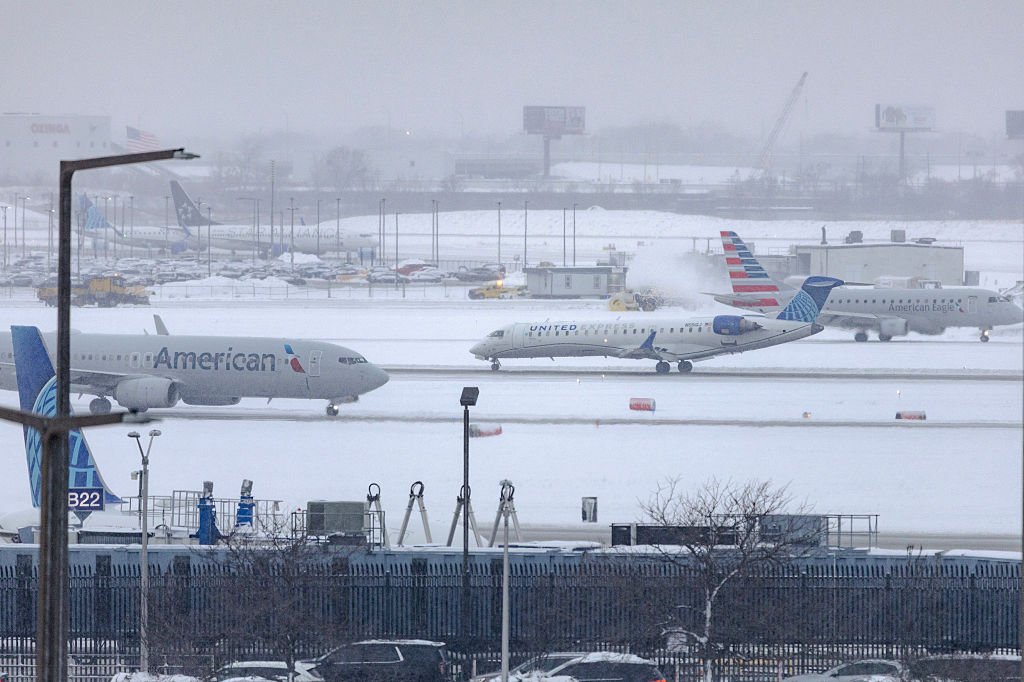
A powerful winter storm system is rapidly intensifying across the eastern United States, prompting meteorologists to issue winter weather alerts for nearly 72 million Americans from the Rocky Mountains to southern New England as of December 2nd.

This marks the third major storm to sweep across the nation within a single week, underscoring what weather experts are calling an unusually aggressive start to the winter season. The developing weather system is forecast to shatter existing low-temperature records while dumping significant snowfall across multiple states.
The National Weather Service has warned that the rapidly strengthening storm poses serious risks to travel, infrastructure, and daily life across a vast swath of the country. The storm’s trajectory encompasses major metropolitan areas and critical transportation corridors, raising concerns about widespread disruptions.
Forecasters emphasize the unprecedented nature of this weather pattern, with three consecutive major storm systems impacting the continental United States in such rapid succession. The current system’s intensity and scope have prompted emergency management officials to urge residents in affected areas to prepare for potentially dangerous conditions.
Meanwhile, the White House has issued a defense of its second military strike targeting a suspected drug trafficking vessel, addressing growing questions about the administration’s maritime interdiction policies. The strike represents an escalation in the government’s efforts to combat narcotics smuggling operations in international waters.
As communities from the Rockies to New England brace for impact, local authorities are mobilizing resources and preparing emergency response protocols. The combination of record-breaking cold temperatures and heavy snowfall could create life-threatening conditions for millions of Americans in the storm’s path.
Weather models suggest this historic storm system will continue to strengthen as it moves eastward, with meteorologists closely monitoring its development and potential for causing widespread power outages, transportation delays, and other severe disruptions to normal operations across multiple states.