













A powerful winter storm has unleashed chaos across the Midwest and Great Lakes region, leaving thousands of Thanksgiving travelers scrambling to reach their destinations as airlines canceled and delayed flights throughout the holiday weekend.

The multi-day storm system showed no signs of relenting on November 29, prompting widespread disruptions that transformed what should have been a smooth journey home into a logistical nightmare for holiday travelers. Airports from Chicago to Detroit reported extensive delays as heavy snowfall and fierce winds created treacherous conditions both in the air and on the ground.
The National Weather Service issued stern warnings about the storm’s intensity and reach, cautioning travelers about the extended period of dangerous conditions ahead.
“A significant winter storm will produce a broad area of moderate to heavy snow and gusty winds from the Midwest through the western Great Lakes causing hazardous travel conditions,” the National Weather Service said on Nov. 29.
The timing couldn’t have been worse for millions of Americans attempting to return home after celebrating Thanksgiving with family and friends. The storm struck during one of the busiest travel periods of the year, when airports and highways typically see their highest volume of passenger traffic.
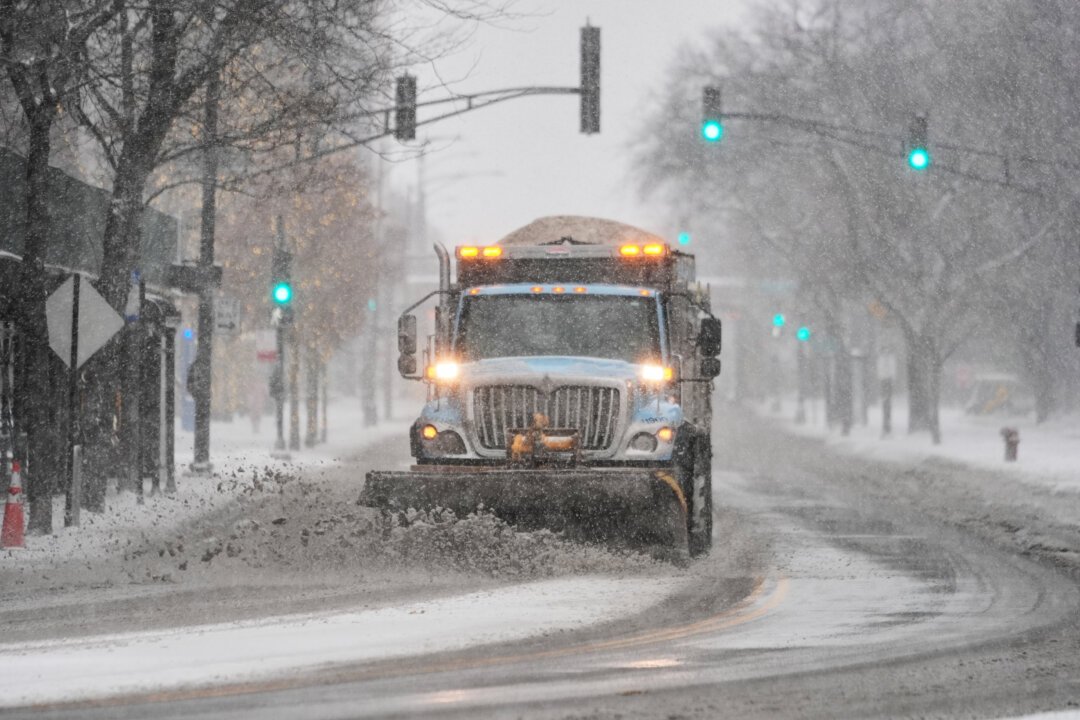
Snow plows worked tirelessly to keep major roadways passable, with crews in cities like Chicago battling against accumulating snow and deteriorating visibility. The combination of heavy snowfall and powerful wind gusts created whiteout conditions in many areas, forcing authorities to advise against non-essential travel.
Airlines faced mounting pressure to accommodate stranded passengers, with rebooking efforts complicated by the storm’s wide geographic impact. The weather system’s prolonged nature meant that even as conditions improved in some areas, other regions continued to experience severe winter weather, creating a domino effect of delays throughout the nation’s air travel network.
The storm serves as a stark reminder of winter’s unpredictable nature and its ability to disrupt modern transportation systems. As meteorologists continue monitoring the system’s path, travelers are advised to check flight statuses frequently and prepare for possible extended delays or cancellations.
Emergency management officials across the affected states have activated winter weather protocols, ensuring that resources are available to assist stranded motorists and maintain critical infrastructure during the storm’s duration.