













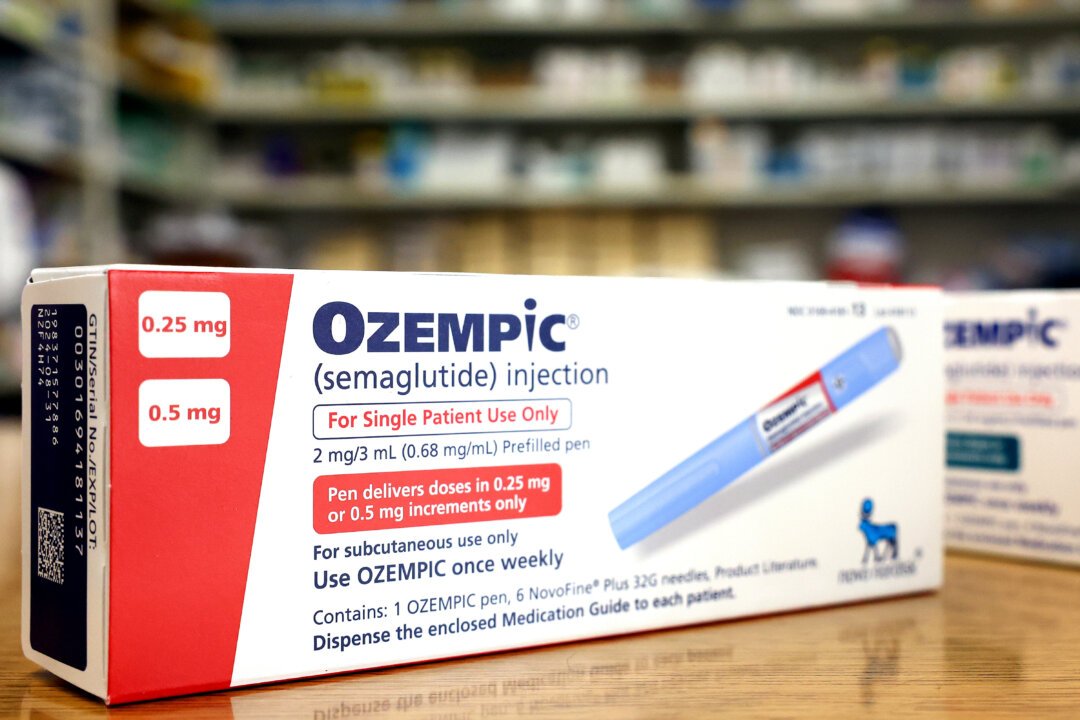
In a groundbreaking victory for American seniors, Medicare officials unveiled sweeping prescription drug price cuts that will deliver an estimated $12 billion in savings to the healthcare system. The announcement, made on November 25, represents the most significant drug pricing reform in decades.

The Centers for Medicare & Medicaid Services (CMS) successfully negotiated dramatically lower prices for 15 of Medicare’s most expensive medications, securing an average reduction of 44 percent compared to 2024 pricing. These new rates will take effect beginning January 2027, marking a pivotal moment in healthcare affordability.
This historic achievement stems from the Biden administration’s 2022 Inflation Reduction Act (IRA), which fundamentally transformed Medicare’s relationship with pharmaceutical companies. For the first time in the program’s history, the legislation empowered CMS to engage in direct price negotiations with drug manufacturers—a practice that had been explicitly prohibited under previous federal law.
The annual negotiation process represents a seismic shift in how America’s largest healthcare program approaches prescription drug costs. Previously, Medicare was required to accept whatever prices pharmaceutical companies set for their medications, leaving millions of beneficiaries vulnerable to escalating drug costs that often forced impossible choices between essential medications and other necessities.
Among the medications subject to these new negotiated prices are some of the most widely prescribed and expensive drugs in the Medicare system. The 44 percent average price reduction demonstrates the significant markup that had been built into the previous pricing structure, where pharmaceutical companies held virtually unchallenged pricing power.
The $12 billion in anticipated savings will benefit not only individual Medicare beneficiaries through lower out-of-pocket costs but also the broader Medicare system by reducing overall program expenditures. This financial relief comes at a critical time as Medicare faces long-term sustainability challenges due to an aging population and rising healthcare costs.
These negotiations mark just the beginning of what promises to be an ongoing effort to control prescription drug costs. The Inflation Reduction Act establishes a framework for continued price negotiations, with additional medications expected to be included in future negotiation cycles.
The pharmaceutical industry has historically opposed such measures, arguing that price controls could stifle innovation and research into new treatments. However, Medicare officials and healthcare advocates contend that the current pricing structure has created unsustainable cost burdens for patients and the healthcare system.
As 2027 approaches, Medicare beneficiaries can expect to see the direct impact of these negotiations reflected in their prescription drug costs, representing one of the most tangible benefits of recent healthcare reform efforts.