













Minneapolis Mayor Jacob Frey has taken a defiant stance against federal immigration enforcement, declaring that city police will refuse to cooperate with Immigration and Customs Enforcement (ICE) agents as Minnesota braces for intensified raids targeting its Somali immigrant population.

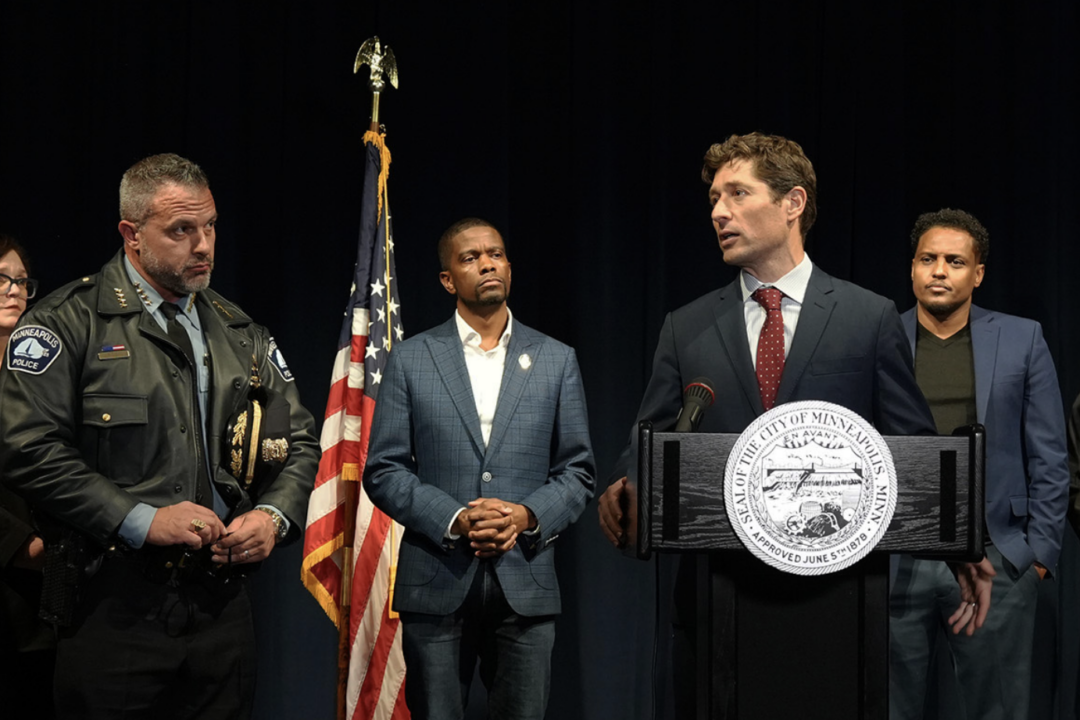
Speaking at a December 2nd press conference, Frey delivered an unequivocal message to federal authorities planning enforcement actions in the Twin Cities area. “Our police officers are not ICE agents; they will not cooperate with ICE agents,” the mayor stated firmly, flanked by Minneapolis Police Chief Brian O’Hara, St. Paul Mayor Melvin Carter III, and Minneapolis City Councilman Jamal Osman, who identifies as Somali American.
The mayor’s announcement comes as federal immigration officials prepare to ramp up enforcement activities in Minnesota, a state that has become home to one of the largest Somali immigrant communities in the United States. However, this community has recently faced intense scrutiny amid widespread allegations of systematic welfare fraud involving government assistance programs.
The timing of Frey’s declaration is particularly significant, as it represents a direct challenge to federal immigration priorities at a moment when the Somali community finds itself under unprecedented legal pressure. Minnesota has emerged as the epicenter of multiple fraud investigations involving alleged misuse of federal nutrition assistance and childcare programs, with prosecutors claiming millions of dollars were diverted from programs intended to help low-income families.
The press conference served as both a show of political solidarity and a strategic move to limit federal enforcement capabilities within Minneapolis city limits. By refusing police cooperation, city officials are effectively forcing ICE agents to operate without local law enforcement backup, potentially complicating arrest operations and community sweeps.
Mayor Frey’s position aligns Minneapolis with numerous other sanctuary cities across the nation that have adopted similar non-cooperation policies with federal immigration authorities. This approach reflects a broader tension between local and federal priorities, particularly in communities with significant immigrant populations who may be reluctant to report crimes or cooperate with police if they fear immigration consequences.
The presence of Police Chief O’Hara at the press conference signals departmental alignment with the mayor’s directive, suggesting that the policy has backing from the city’s top law enforcement leadership. This coordination between political and police leadership is crucial for implementing such policies effectively on the ground level.
For Minnesota’s Somali community, estimated to number in the tens of thousands, the mayor’s announcement provides some measure of reassurance amid growing anxiety about potential enforcement actions. Many community members have expressed concerns about being collectively targeted due to the high-profile fraud cases involving a smaller subset of individuals.
The standoff between Minneapolis city officials and federal immigration authorities highlights the complex challenges facing immigrant communities caught between local protection efforts and federal enforcement priorities. As ICE prepares its operations, the effectiveness of the mayor’s non-cooperation pledge will likely face its first real test in the coming weeks.
This developing situation underscores the ongoing national debate over immigration enforcement, sanctuary city policies, and the delicate balance between addressing legitimate concerns about program fraud while protecting immigrant communities from what some view as overly broad enforcement actions.