













A sprawling network of welfare fraud schemes, primarily orchestrated by members of Minnesota’s Somali community, has systematically drained billions of dollars from taxpayer-funded programs, according to federal authorities. The revelations have sparked congressional demands for investigation into potential terrorist financing and prompted swift presidential action.

The scandal encompasses at least three major fraudulent operations that have been unfolding over several years, with two additional schemes recently coming to light. The scope and scale of the alleged theft has sent shockwaves through Minnesota’s political establishment and raised serious questions about oversight of federal welfare programs.
Federal prosecutors are now facing mounting pressure from lawmakers to investigate allegations that millions of the stolen funds may have been funneled to terrorist organizations. The potential national security implications have elevated what was already considered one of the largest welfare fraud cases in U.S. history.
The fraudulent networks allegedly exploited weaknesses in multiple welfare programs, using sophisticated schemes to siphon taxpayer money over an extended period. Authorities describe the operations as highly organized, with participants working in coordinated groups to maximize their illegal gains.
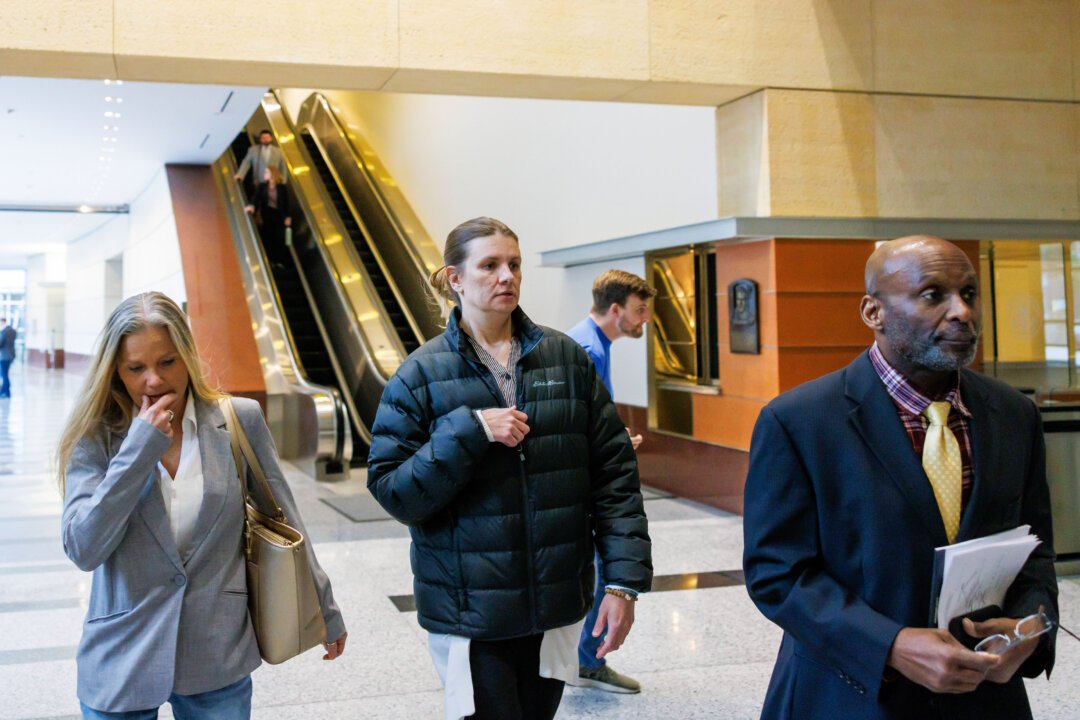
Among the most prominent cases is the Feeding Our Future scandal, which has already resulted in federal charges against multiple defendants. Aimee Bock, founder and executive director of the nonprofit organization, has been a central figure in the ongoing legal proceedings, appearing at the Minneapolis federal courthouse as the case continues to unfold.
The Minnesota-based schemes have drawn national attention not only for their massive financial scope but also for their potential connections to broader security concerns. The alleged involvement of Somali community members has raised questions about how stolen welfare funds might be moving through informal financial networks.
Congressional representatives are demanding that federal prosecutors expand their investigation beyond the immediate fraud charges to examine whether any portion of the billions in stolen funds found its way to terrorist organizations or other hostile entities abroad.
The revelations have also prompted renewed scrutiny of federal welfare program oversight mechanisms. Critics argue that the massive scale of the alleged fraud demonstrates fundamental weaknesses in how these programs are monitored and administered at the state level.
As investigations continue, Minnesota officials are grappling with the political fallout from what appears to be one of the most extensive welfare fraud operations ever documented. The case has become a focal point for broader debates about immigration, integration, and the effectiveness of social safety net programs.
The ongoing legal proceedings are expected to reveal additional details about how the alleged fraud networks operated and whether their activities extended beyond simple welfare theft into more serious national security violations.