












In a significant blow to Boeing’s struggling space ambitions, NASA announced Monday it is dramatically scaling back the aerospace giant’s role in ferrying astronauts to the International Space Station, cutting the contract value by $768 million while increasing reliance on SpaceX’s proven Crew Dragon capsule.

The space agency’s decision marks a stunning reversal of fortune for Boeing’s Starliner program, which has been plagued by technical setbacks, delays, and safety concerns that have undermined confidence in the spacecraft’s reliability. NASA will now reduce the number of planned Starliner missions and has opted to make the next scheduled flight an uncrewed mission rather than risk astronaut safety.
Boeing’s original Commercial Crew Program contract, valued at $4.5 billion, was designed to provide NASA with six operational flights carrying astronauts to and from the orbiting laboratory once the spacecraft received full certification. That ambitious timeline now appears increasingly uncertain as the company grapples with persistent engineering challenges.
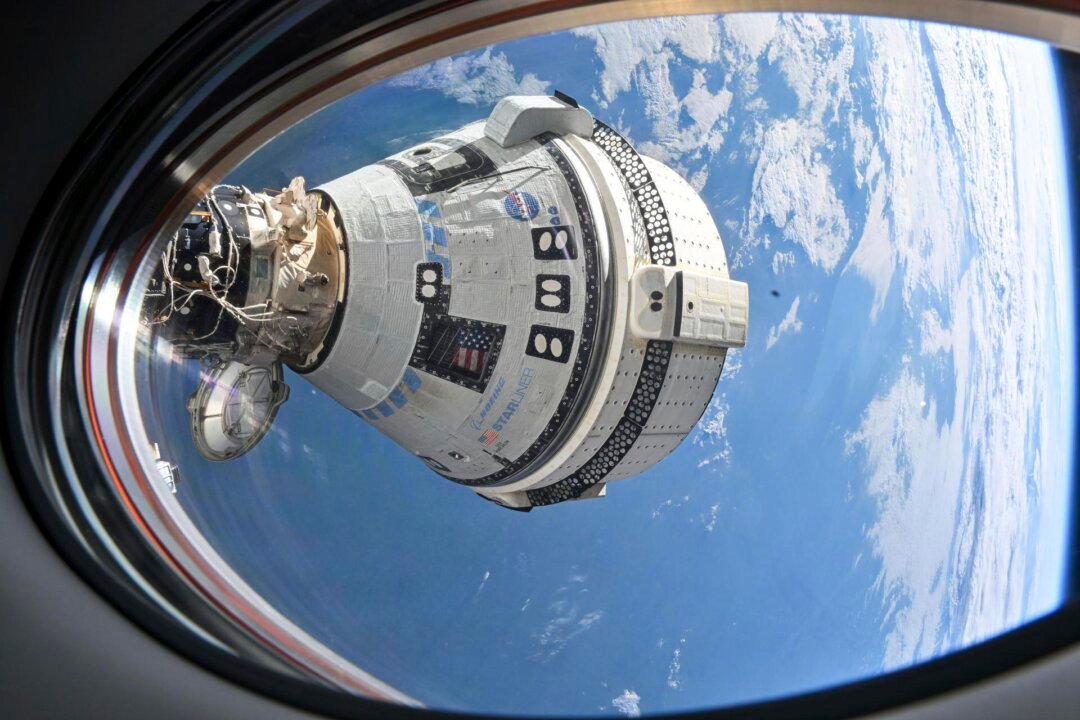
The decision comes after a series of high-profile difficulties with the Starliner program, including the dramatic rescue mission required when astronauts Butch Wilmore and Suni Williams became stranded on the International Space Station. The crew, who launched aboard Starliner and docked at the station’s Harmony module on July 3, 2024, had to be retrieved by SpaceX after their Boeing spacecraft was deemed unsafe for the return journey.
This latest development underscores SpaceX’s growing dominance in the commercial spaceflight sector, where Elon Musk’s company has established itself as NASA’s most reliable partner for crew transportation. While Boeing continues to struggle with technical issues and cost overruns, SpaceX has successfully completed multiple crewed missions to the ISS with its Falcon 9 rocket and Crew Dragon capsule system.
The contract reduction represents more than just financial implications for Boeing – it signals NASA’s diminishing confidence in the company’s ability to serve as a dependable alternative to SpaceX for human spaceflight operations. The space agency had originally envisioned having two competing commercial providers to ensure redundancy and reduce costs compared to previous government-operated programs.
Industry analysts view this decision as a pivotal moment that could reshape the competitive landscape of commercial space transportation. Boeing’s setbacks have created opportunities for other emerging players in the space industry while solidifying SpaceX’s position as the current leader in reliable, cost-effective crew transportation services.
The implications extend beyond NASA’s immediate operational needs, potentially affecting Boeing’s broader space business and its ability to compete for future government contracts. As the company works to address the technical challenges facing Starliner, the reduced mission schedule provides additional time for engineering improvements but also limits revenue opportunities and operational experience.
NASA’s pragmatic approach reflects the agency’s commitment to astronaut safety and mission success over contractor loyalty, demonstrating that performance and reliability remain the primary factors in determining which companies will shape America’s space exploration future.