













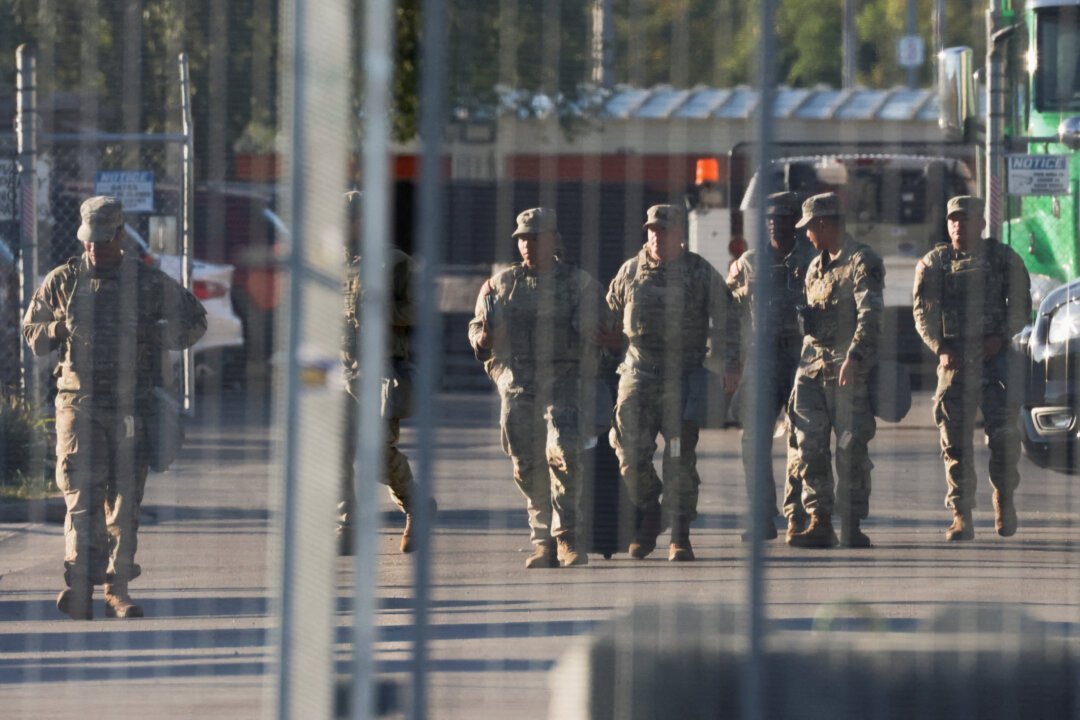
National Guard troops from Texas and California are being recalled from their federal immigration enforcement duties in Chicago and Portland, Oregon, marking a significant shift in deployment strategy following recent legal challenges to the use of state military forces in immigration operations.

Texas Governor Greg Abbott announced on November 22 that his state’s National Guard personnel, who had been stationed in Chicago as part of expanded immigration enforcement efforts, received orders to return to Texas within the week. The withdrawal represents a notable change in the deployment of state resources for federal immigration missions.
Similarly, California National Guard units operating in Portland, Oregon are also being recalled to their home state, according to state officials. The simultaneous withdrawal of forces from both major metropolitan areas suggests a coordinated response to mounting legal and political pressures.
The troop withdrawals come amid ongoing court challenges to the deployment of National Guard forces for immigration enforcement purposes. Legal experts have questioned the authority under which these state military units were operating in cities outside their home jurisdictions, particularly when conducting federal immigration operations.
The deployment of National Guard troops to urban areas for immigration enforcement has sparked considerable debate about the appropriate use of military personnel in civilian law enforcement roles. Critics have argued that such deployments blur the traditional lines between military and police functions, while supporters maintain they are necessary to address immigration challenges.
Both Texas and California have been at the center of immigration policy debates, though often from opposing perspectives. Texas has consistently pushed for stricter enforcement measures, while California has generally favored more accommodating policies toward immigrants. The involvement of both states’ National Guard units in these operations highlights the complex federal-state dynamics surrounding immigration enforcement.
The legal challenges facing these deployments have raised questions about the scope of presidential authority to mobilize state National Guard units for federal purposes, particularly when those purposes involve domestic law enforcement activities. Constitutional scholars have debated whether such deployments require additional legislative authorization or fall within existing executive powers.
As the National Guard units prepare for their return journey, local officials in Chicago and Portland are assessing the impact of their withdrawal on ongoing immigration enforcement operations. Federal agencies will likely need to adjust their strategies and resource allocation to compensate for the reduced military support.
The recall of these National Guard forces signals a potential shift in how states approach participation in federal immigration enforcement efforts, with legal considerations increasingly influencing deployment decisions. The move also reflects the ongoing tensions between federal immigration policy and state-level implementation of enforcement measures.