













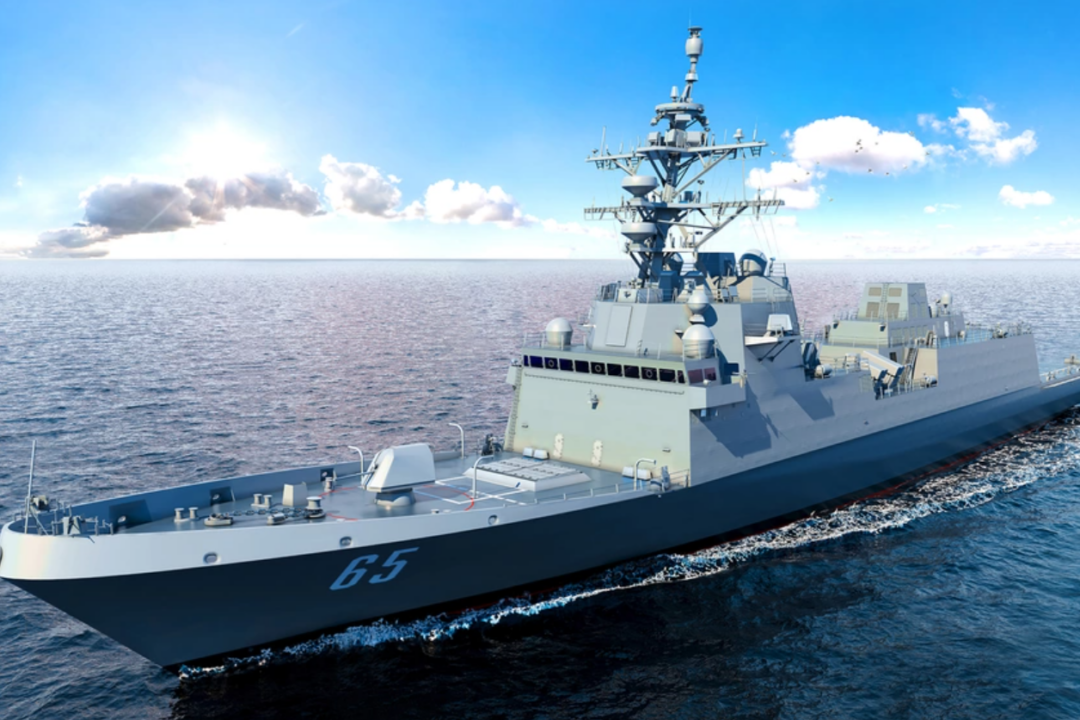
The U.S. Navy has abruptly terminated its ambitious Constellation-class frigate program, dealing a significant blow to America’s naval expansion plans despite ongoing construction of the program’s initial vessels.

Secretary of the Navy John C. Phelan delivered the surprising announcement through a video message on November 25, revealing that while the entire program faces cancellation, work will continue on the first two frigates already under construction.
The decision marks a dramatic reversal for what was once considered a cornerstone of the Navy’s modernization efforts. The service had originally envisioned a robust fleet of 20 Constellation-class frigates, designed to bolster America’s naval capabilities and fill critical gaps in maritime operations.
The Constellation-class frigates were intended to serve as versatile warships capable of conducting anti-submarine warfare, surface warfare, and air defense missions. These multi-mission vessels represented a significant investment in the Navy’s future, promising enhanced operational flexibility in an increasingly complex global security environment.
While Phelan’s announcement provided the basic framework of the cancellation, specific details regarding the reasoning behind this major strategic shift remain limited. The decision raises important questions about resource allocation, strategic priorities, and the Navy’s long-term fleet composition plans.
The program’s termination comes at a time when naval experts and defense officials have emphasized the critical importance of maintaining a strong and modern fleet to address emerging threats from peer competitors. The cancellation may force the Navy to reassess its shipbuilding priorities and explore alternative approaches to meeting its operational requirements.
For the defense industry, the program’s end represents a significant shift in anticipated contracts and manufacturing plans. Companies involved in the frigate program will need to adjust their production schedules and workforce planning accordingly.
The continuation of construction on the first two vessels suggests the Navy may use these ships as test platforms or maintain them as limited capability assets, though their ultimate role within the fleet structure remains unclear following the broader program cancellation.
This development underscores the ongoing challenges facing military procurement programs, where evolving strategic requirements, budget constraints, and technological considerations can dramatically alter planned acquisitions even after initial construction begins.